










































A legal cannabis purchase in Ontario should feel straightforward: confirm the store is licensed, choose a product, pay using an accepted method, and receive it through an approved process. The best cannabis compliance examples are often the practical details customers see at each step, from an age check at the door to a sealed package with a compliant label.
For Ontario consumers, compliance is not just a retailer-side requirement. It is a useful way to tell whether a dispensary is operating legitimately and whether the purchase process protects your safety, privacy, and access to regulated products. A convenient store, fast checkout, or attractive deal matters, but none of those should come before a valid cannabis retail licence.
Why cannabis compliance matters to Ontario shoppers
Ontario's legal cannabis market is built around adults aged 19 and older purchasing from authorized sources. Retail cannabis stores must hold an Alcohol and Gaming Commission of Ontario, or AGCO, retail operator and store authorization, while legal products move through Ontario's regulated supply chain.
That framework affects what consumers can expect. Licensed retailers must follow rules around age verification, staff conduct, advertising, store security, product handling, delivery where offered, and recordkeeping. It also means the cannabis sold in-store arrives in regulated packaging rather than loose, unlabelled containers with no clear origin.
Compliance does not guarantee that every store will carry the same brands, offer the same prices, or accept the same payment methods. A downtown Toronto dispensary and a smaller Northern Ontario location can have very different menus and hours. The legal baseline, however, should be consistent.
Cannabis compliance examples you can spot before checkout
The most useful signs of compliance are visible to customers. They are not complicated, but they make a meaningful difference when choosing where to buy cannabis.
1. Age verification happens before a sale
A licensed Ontario cannabis retailer cannot sell to anyone under 19. Staff may ask for government-issued photo identification whenever they need to verify a customer's age, including when someone clearly appears older than 19. This is a normal compliance step, not poor service.
For online orders, a compliant process should also account for age verification. A retailer may require confirmation during checkout and verify the recipient's age when an order is handed over. If a business appears willing to sell cannabis without any meaningful age check, treat that as a serious warning sign.
Age verification also applies to the person receiving an order. An adult cannot use legal delivery as a workaround for someone under 19, and a driver or delivery representative should not leave cannabis with an underage recipient.
2. The dispensary clearly identifies itself as licensed
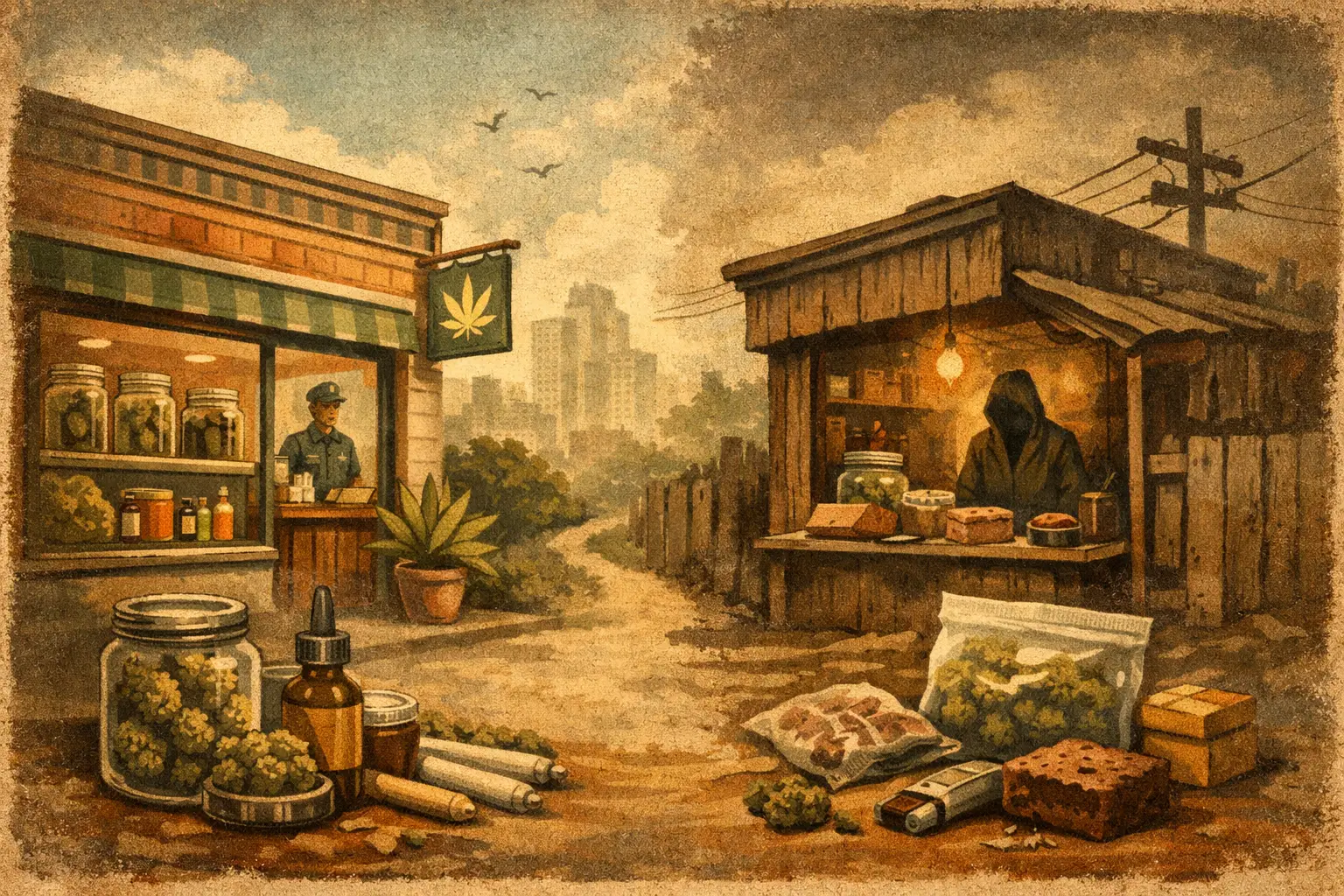
A legal cannabis store should be transparent about who operates it and where it is located. Its listing, storefront, receipt, or customer-facing information should make it possible to identify the business. Consumers can also use a trusted Ontario-specific directory such as OntarioCanna to narrow their search to AGCO-licensed stores in their city.
Be cautious when a seller has no verifiable store address, communicates only through private social media messages, or asks buyers to meet in a parking lot. Those practices do not reflect the normal retail process for a licensed Ontario dispensary.
A licensed store may have a professional online menu, but presentation alone is not proof of legality. Check the retailer's identity and authorization rather than relying on logos, follower counts, or product photos.
3. Products arrive sealed with standardized information
Legal cannabis packaging is one of the clearest consumer-facing compliance examples. Products are generally sold in sealed, child-resistant packaging with required details such as the product name, quantity, cannabinoid information, lot information, warnings, and the applicable excise stamp.
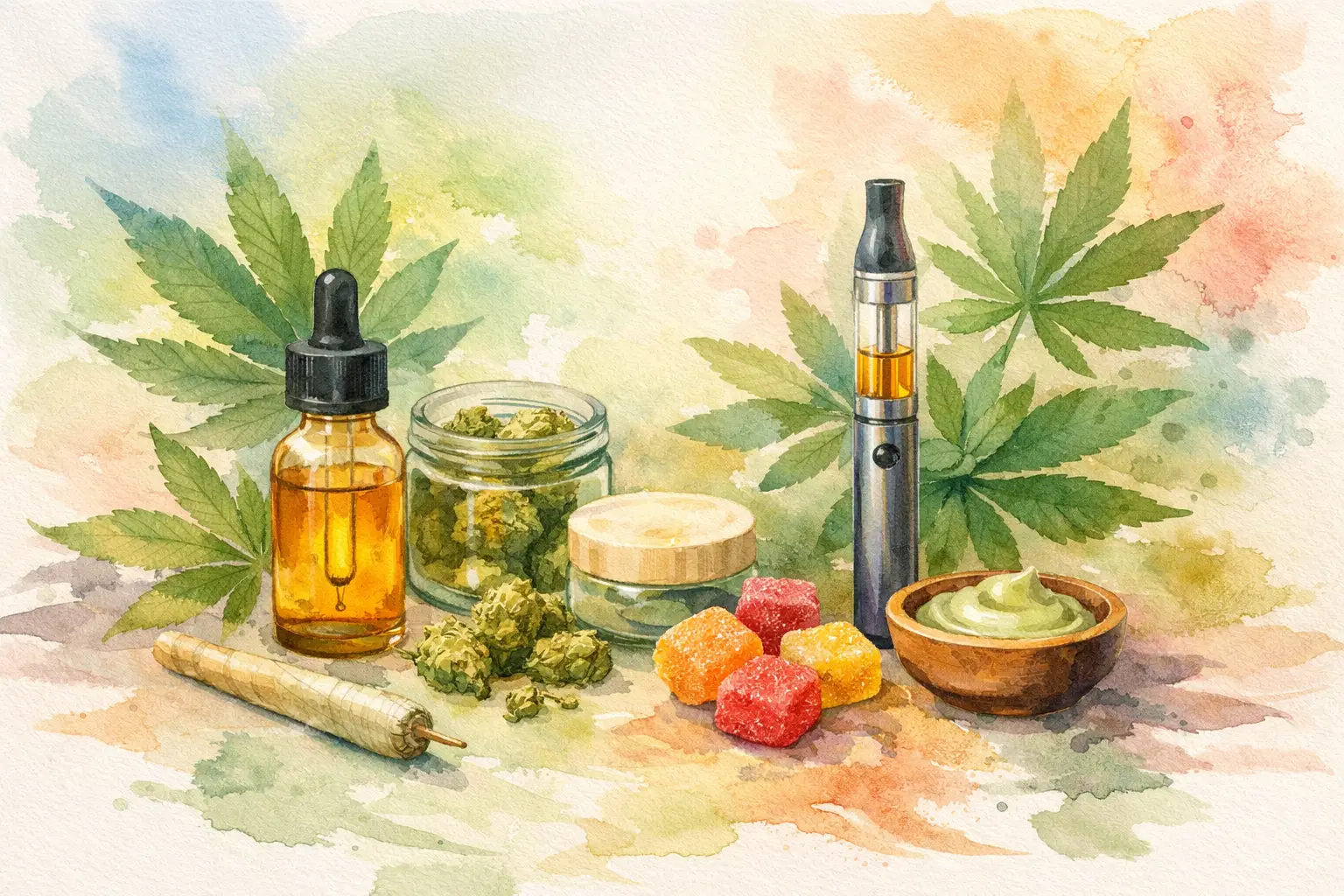
The exact wording and label layout vary by product type. Dried flower, pre-rolls, edibles, vapes, concentrates, oils, and beverages all present information differently. Still, a legal product should not be sold in an unmarked bag, transferred to a different container, or divided into informal portions at the counter.
Labels help consumers compare products accurately. For example, THC and CBD values may be expressed in different ways depending on the format, so shoppers should read both the total package amount and the per-unit information when applicable. This is especially relevant for edibles and beverages, where serving sizes can affect how a product is used.
4. Staff provide factual product information without unsafe promises
Retail employees can explain product formats, cannabinoid ranges, terpene information where available, package sizes, and basic use considerations. They should not present cannabis as a guaranteed treatment for a medical condition or make exaggerated health claims.
This distinction matters. A customer asking about sleep, pain, anxiety, or another health concern may benefit from speaking with an appropriate health professional, particularly if they take medication or have a medical condition. Store staff can help a buyer locate a product category, but they are not a replacement for medical advice.
A compliant retailer also recognizes when a customer has had enough assistance. Responsible service means avoiding pressure tactics and helping adults make informed choices based on the information available.
5. Payment is clear, documented, and handled by the retailer
A legal purchase should produce a clear transaction record. Whether a store accepts debit, cash, Interac e-Transfer, cryptocurrency, or another approved payment option, customers should know the final amount before paying and receive confirmation of the completed purchase.
Payment availability varies by retailer. Interac e-Transfer can be useful for shoppers who prefer not to use a credit card, while crypto acceptance may appeal to customers looking for another payment option. Neither method, on its own, proves a store is licensed. What matters is that the payment process is transparent, connected to an identifiable retailer, and completed through the store's stated procedure.
Be careful with requests to send money to an unrelated personal account, pay before receiving any order details, or use a payment note that conceals the nature of the transaction. If something feels improvised, pause and verify the business before sending funds.
Delivery and pickup compliance examples
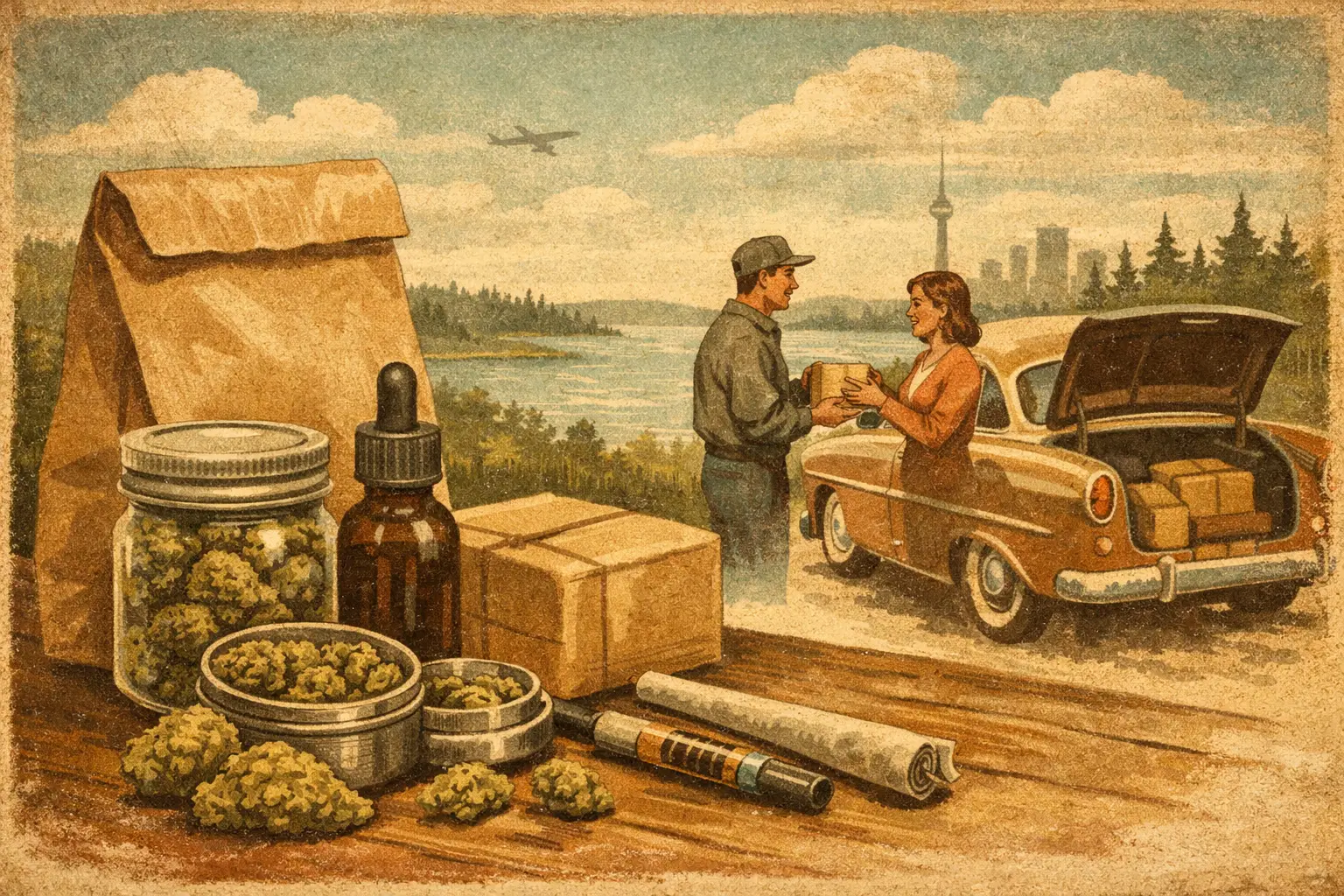
Ontario stores may offer pickup, local delivery, or both, depending on their operations and location. The practical rules for customers remain familiar: the purchaser and recipient must be 19 or older, the order should be delivered securely, and the retailer should be able to confirm who receives it.
A compliant delivery process normally provides an order confirmation, identifies the retailer, and sets reasonable expectations for timing. Delivery staff may need to check identification at the door. Customers should be prepared to receive the order themselves rather than asking a roommate, neighbour, or minor family member to accept it.
For pickup orders, expect staff to verify age and confirm order details before handing over the purchase. Some stores use a separate pickup counter or ask customers to wait until an order is prepared. These operational steps may feel slower during busy periods, but they help keep the transaction controlled and accurate.
What compliance does not mean
Legal status does not mean every cannabis product is right for every person. Adults should consider potency, format, personal tolerance, and the setting in which they plan to consume. Newer consumers may prefer to start with a lower-potency option and wait for effects before using more, particularly with edibles.
Compliance also does not remove the rules around public use, impaired driving, workplace policies, or travel. Cannabis should stay in its original packaging during transport where possible, and drivers must not consume or operate a vehicle while impaired. Taking cannabis across an international border remains illegal, even if it was legally purchased in Ontario.
Returns are another area where expectations differ from ordinary retail. Because cannabis is a regulated product, stores may have limited return options, especially for opened items. Check a retailer's policy before purchasing, and inspect your order promptly for the correct product, quantity, and any visible packaging issue.
How to use compliance when choosing a dispensary
Start with the basics: confirm that the retailer is licensed, confirm its address and hours, and review whether its menu and payment methods fit your needs. If delivery matters, check the service area, delivery window, minimum order requirements, and identification process before placing an order.
Then look at the quality of the information provided. A dependable retailer makes it easy to understand what is available, how much it costs, what payment options are accepted, and how pickup or delivery works. Vague policies, inconsistent details, and pressure to transact off-platform are reasons to choose another store.
The most practical takeaway is simple: choose a licensed Ontario retailer before you choose a product. Once that foundation is in place, you can compare menus, local access, prices, and payment options with far more confidence.