








A 10 mg cannabis edible can take an hour or more to feel noticeable, while an inhaled product may be felt within minutes. That gap is where many avoidable bad experiences begin. Understanding cannabis dosage onset helps Ontario consumers choose a product that fits their plans, avoid taking more too soon, and use legal cannabis with greater predictability.
The package label gives you a starting point, but it cannot tell you exactly how your body will respond. Route of consumption, THC and CBD content, food intake, tolerance, and individual metabolism all affect the timeline. Treat the stated onset range as guidance, then give the product enough time before deciding whether you need more.
Cannabis dosage onset depends on how you consume it
Cannabis products reach the bloodstream in different ways. Inhaled products enter through the lungs, oils held under the tongue can be absorbed through oral tissues, and edibles travel through the digestive system and liver. Those differences change not just how quickly effects begin, but how long they may last and how easy it is to adjust your dose.
Inhaled cannabis: usually minutes
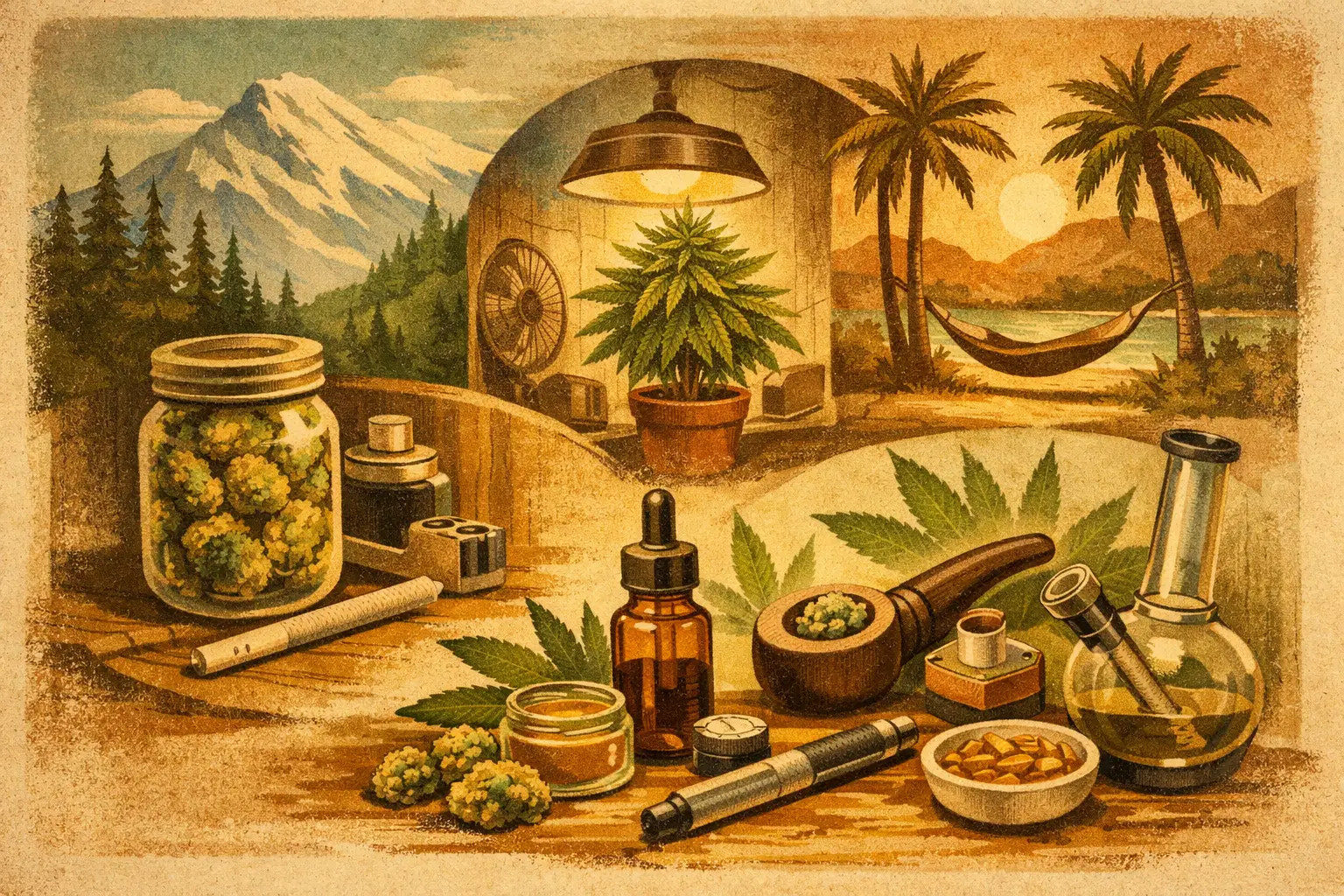
Dried flower, pre-rolls, vape cartridges, and disposable vaporizers generally have the fastest onset. Many consumers feel initial effects within a few minutes, with stronger effects commonly building over 10 to 30 minutes. The overall experience may last roughly two to four hours, although this varies by product and person.
The practical advantage is feedback. Because onset is relatively quick, an adult consumer can take a small inhalation and pause before taking another. The trade-off is that inhalation can feel more immediate and intense than expected, particularly for someone with little THC experience. Start with a low-THC option or a balanced THC-CBD product where available, and avoid treating a vape like a casual, continuous-use device.
Smoking and vaping are not risk-free. Avoid inhaled cannabis if smoke or vapour aggravates a health condition, and do not use a product from an unlicensed source where potency, ingredients, and testing are uncertain.
Oral sprays, oils, and capsules: a middle ground
Cannabis oils, capsules, and oral sprays may be swallowed or, in some cases, held under the tongue as directed on the label. When a product is held under the tongue, some effects may begin in approximately 15 to 45 minutes. When swallowed, the experience often follows a slower edible-like timeline.
A cautious consumer should assume that an oil or capsule may take longer than inhalation to fully reveal its effects. Depending on the product and whether it is taken with food, peak effects can arrive one to four hours after use. This makes measured formats useful for people who want consistent labelled milligrams, but patience still matters.
Check whether the label expresses dosage per activation, per millilitre, per capsule, or per package. These are not interchangeable. A measured dropper can be helpful, but only when you understand the amount of THC and CBD in the portion you are taking.
Edibles and beverages: slow onset, longer commitment
Edibles are the product category most associated with accidental overconsumption. Gummies, chocolates, baked goods, and beverages can take 30 minutes to two hours to begin working. For some people, especially after a full meal, noticeable effects may take longer. Peak effects can occur around two to four hours after consumption, and the experience may continue for six hours or more.
This happens because swallowed THC is processed by the liver before it circulates through the body. The result can feel different from inhaled cannabis and may be stronger or longer-lasting for some consumers, even at a similar labelled amount of THC.
Do not use a lack of early effects as proof that an edible is not working. Wait at least two hours, and preferably follow the product label's instructions, before considering any additional amount. If you are new to THC, choose a low-dose edible and plan a quiet evening rather than using it before work, travel, childcare, or other responsibilities.
Cannabis beverages can also be misleading because they feel familiar. Some may come on faster than a solid edible, but onset still varies. Drink slowly, know the total THC in the container, and do not combine multiple cannabis formats while waiting for a beverage to take effect.
Why the same dose can feel different each time
A labelled dose is reliable product information, not a guarantee of a fixed experience. Your response can shift from one occasion to the next. Food is a major variable for swallowed products: taking an edible on an empty stomach may feel different from taking it after a large meal. Sleep, stress, alcohol use, medications, and prior cannabis use can also affect the experience.
Tolerance matters, but it is not a reason to rush. A frequent consumer may notice less from a dose that feels substantial to a first-time consumer. Conversely, someone returning after a break may find their previous amount is no longer comfortable. Product formulation also matters. A 10 mg THC beverage, a 10 mg THC gummy, and several inhalations from a vape are not directly comparable experiences.
CBD can change how some people perceive a product, but it does not simply cancel THC. A balanced product may feel more manageable for certain consumers, yet it can still impair judgment and coordination. Read the cannabinoid information on the legal package and avoid making assumptions based on strain names alone.
A practical approach to cannabis dosage onset
For a new product, choose a time when you do not need to drive, operate equipment, make major decisions, or be responsible for someone else's safety. Use one product format at a time. Mixing an edible with alcohol, a vape, or another THC product makes timing and dose much harder to judge.
Start below the amount you think you need, especially with THC edibles and oils. Record the product, the THC and CBD amount, the time you used it, when you first noticed effects, and how long they lasted. A brief note on your phone can make future purchases more informed than relying on memory.
If effects become uncomfortable, stop consuming cannabis and move to a calm, familiar environment. Sip water, rest, and ask a trusted person to stay with you if possible. Cannabis-related impairment can be distressing, but it usually passes with time. Seek urgent medical help for severe symptoms, chest pain, trouble breathing, loss of consciousness, or if you are concerned about someone’s safety.
Buy products with clear, legal labelling
In Ontario, adults must be 19 or older to buy, possess, and use recreational cannabis legally. Purchasing from an AGCO-licensed retailer gives you access to products with regulated packaging, cannabinoid information, lot details, and required warnings. That information is essential when you are trying to understand onset and manage dosage.
Before purchasing, ask the retailer about the format, total THC per package, THC per serving, and the expected onset described on the label. A licensed store can help you compare legal product types, but no budtender can predict your exact response. Your safest plan is still to start low, wait through the full onset window, and adjust only on another occasion if needed.
A predictable cannabis experience starts before the purchase: choose a clearly labelled legal product, leave enough time for its onset, and let your body’s response - not impatience - guide the next decision.