











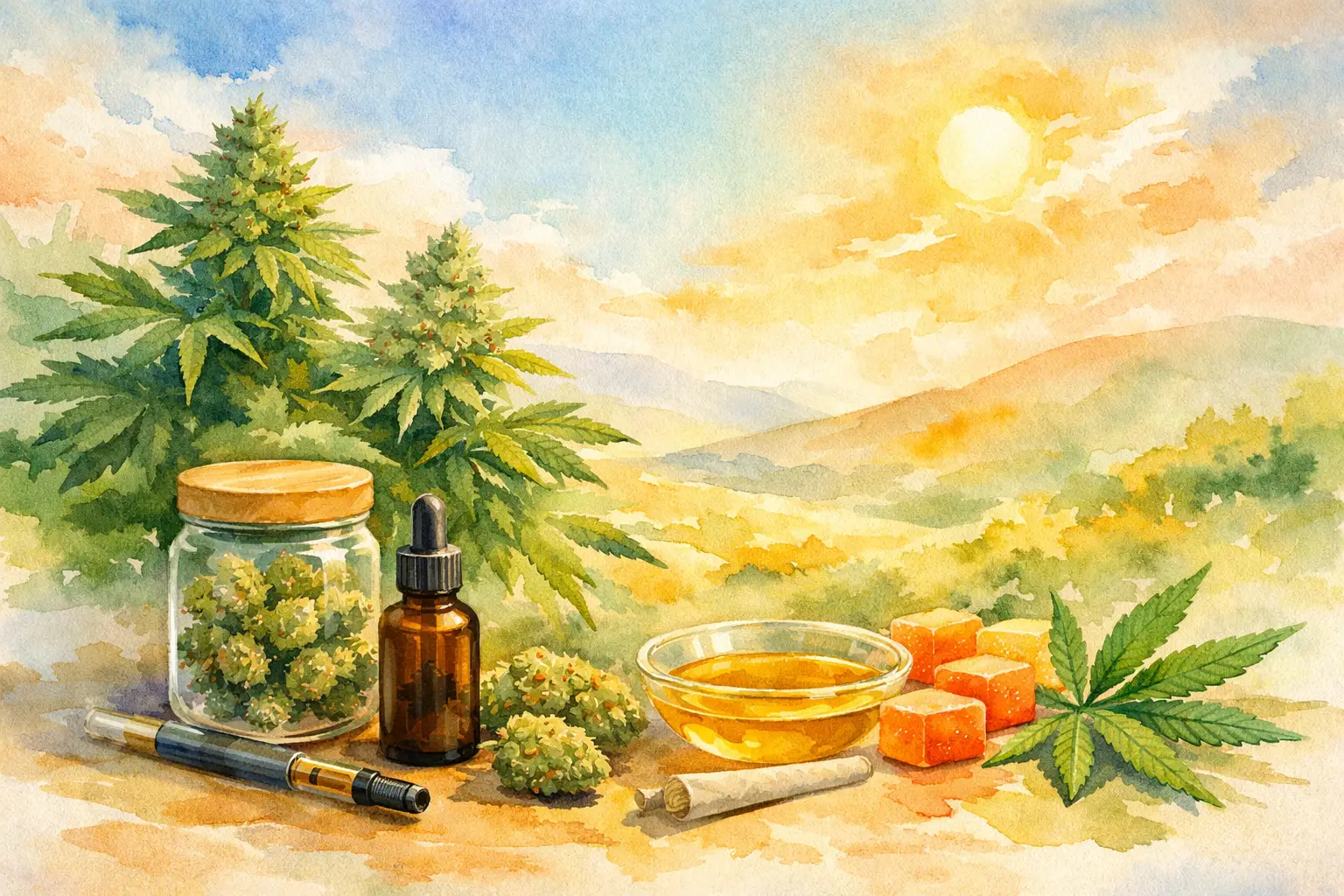
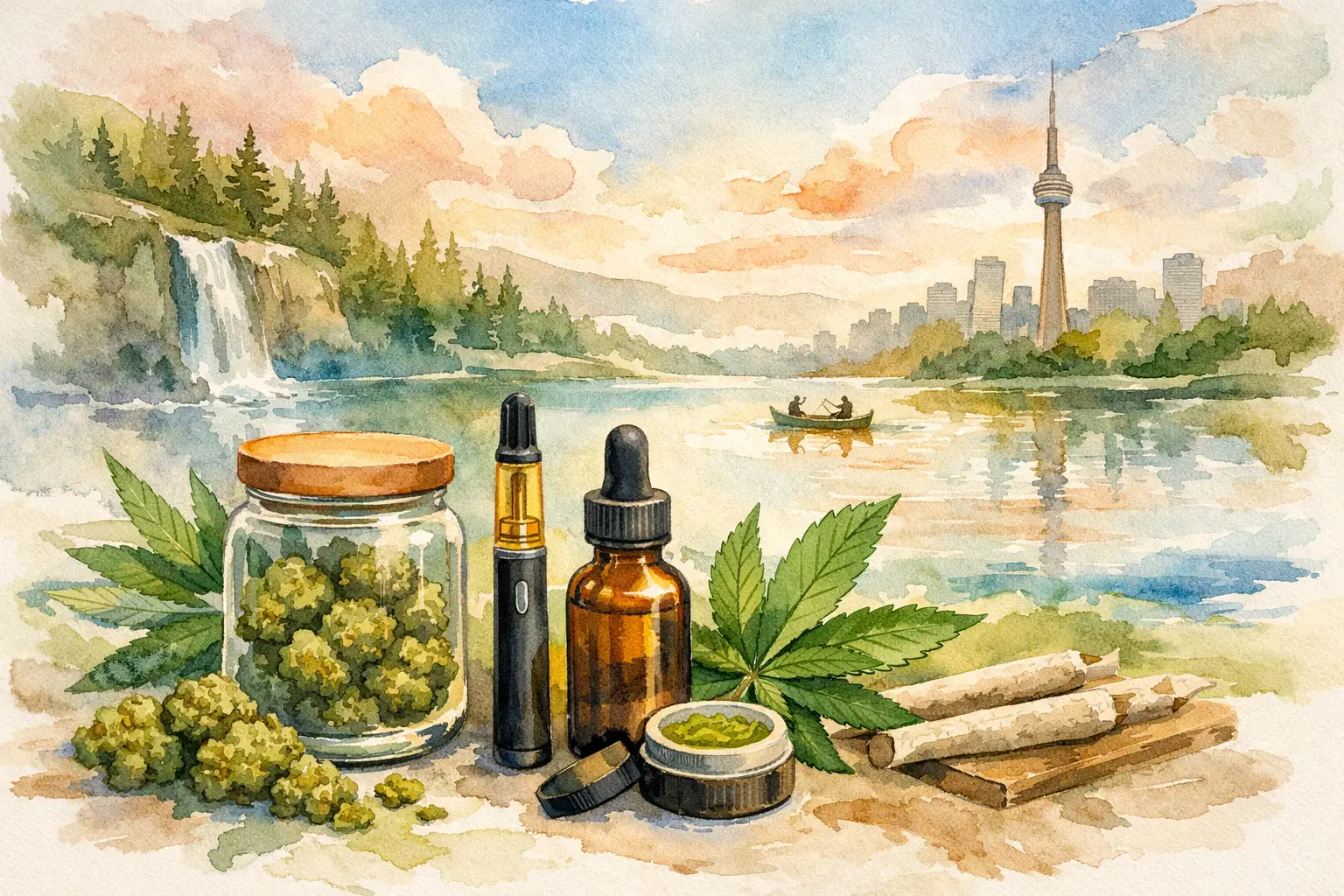




You open a legal dispensary menu in Ontario and suddenly everything looks more complicated than it should. Dried flower, pre-rolls, live resin, indica-dominant, total THC, minor cannabinoids, terpene percentages - if you are trying to buy confidently, cannabis menu terms explained in plain language can save time and help you avoid a poor fit.
Ontario’s legal market is built around standardized labels, product categories, and compliance rules. That is good for consumer safety, but it also means menus often use technical wording that is not obvious at a glance. Once you know what the common terms mean, it becomes much easier to compare products, understand potency, and choose a format that suits your experience level and budget.
Cannabis menu terms explained for Ontario shoppers
The first thing to know is that menu language usually combines three separate kinds of information: product format, cannabinoid content, and effect-oriented descriptors. Retailers are not supposed to make unfounded medical claims, so menus often rely on shorthand like "uplifting," "high THC," or "indica-dominant" instead of promising a specific outcome.
That matters because two products can sound similar while delivering very different experiences. A pre-roll labelled 25% THC and a gummy labelled 10 mg THC are not comparable in a simple one-to-one way. One is inhaled and acts faster, while the other is ingested and can feel stronger for longer. Reading the menu properly starts with understanding the format.
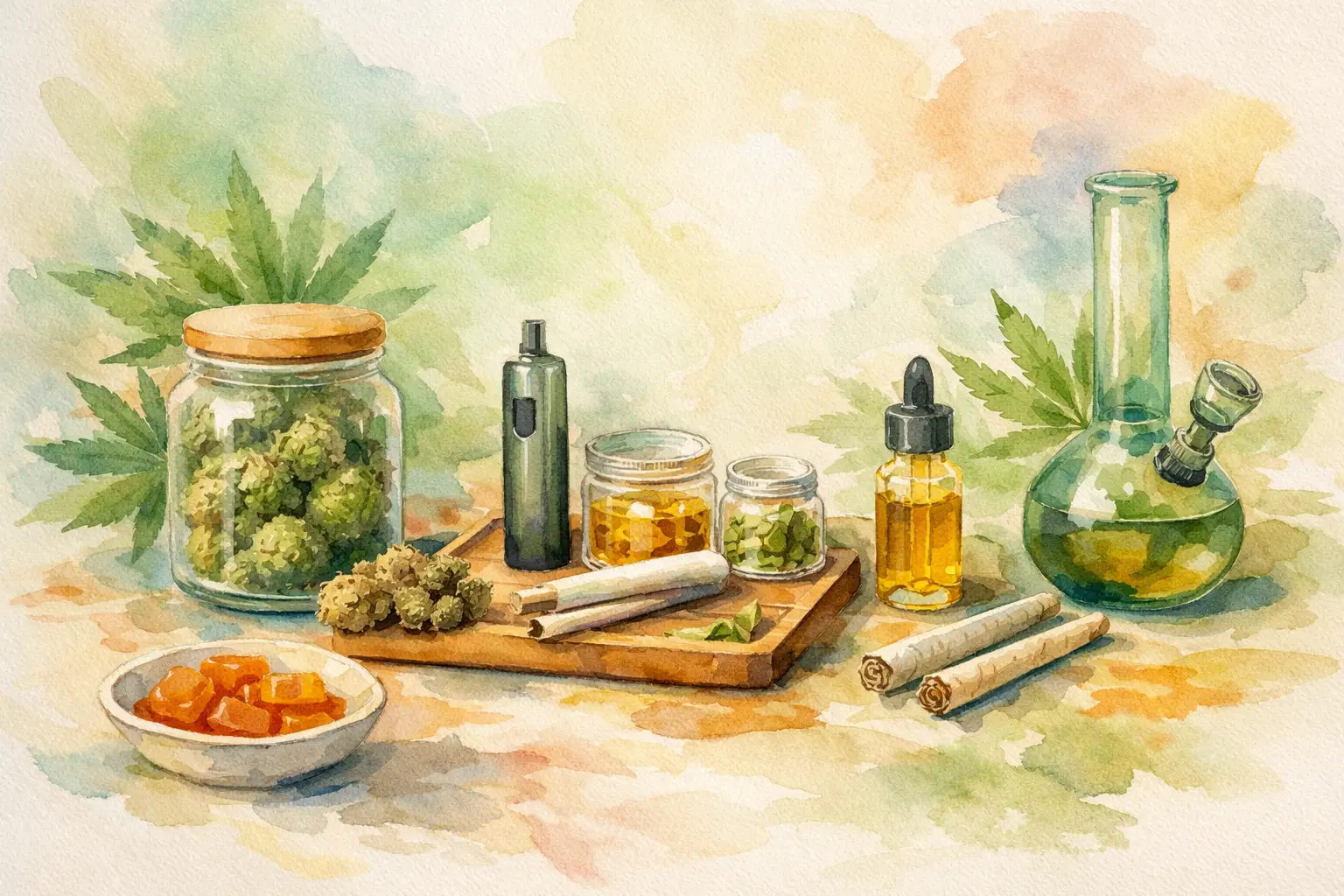
Product formats you will see most often
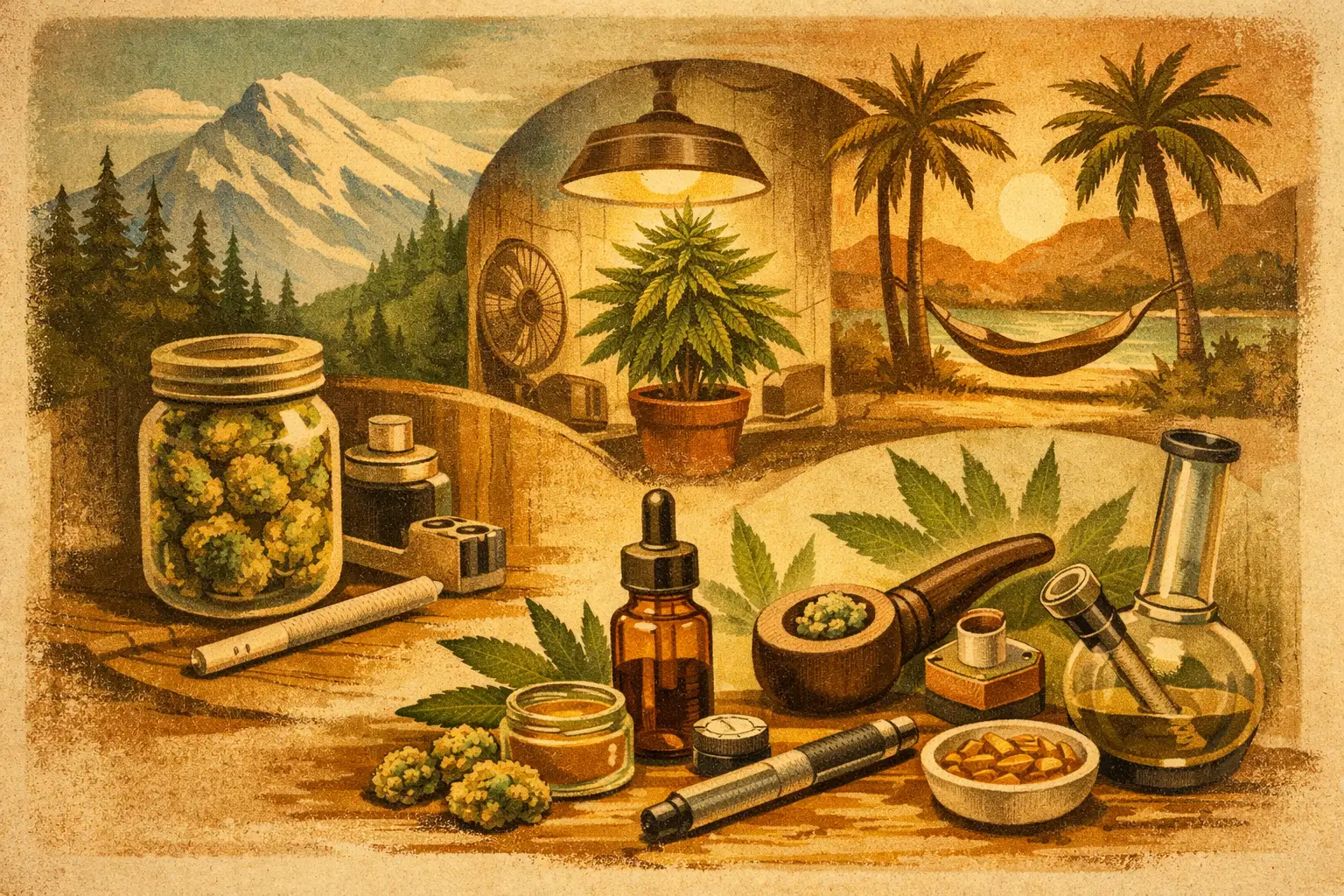
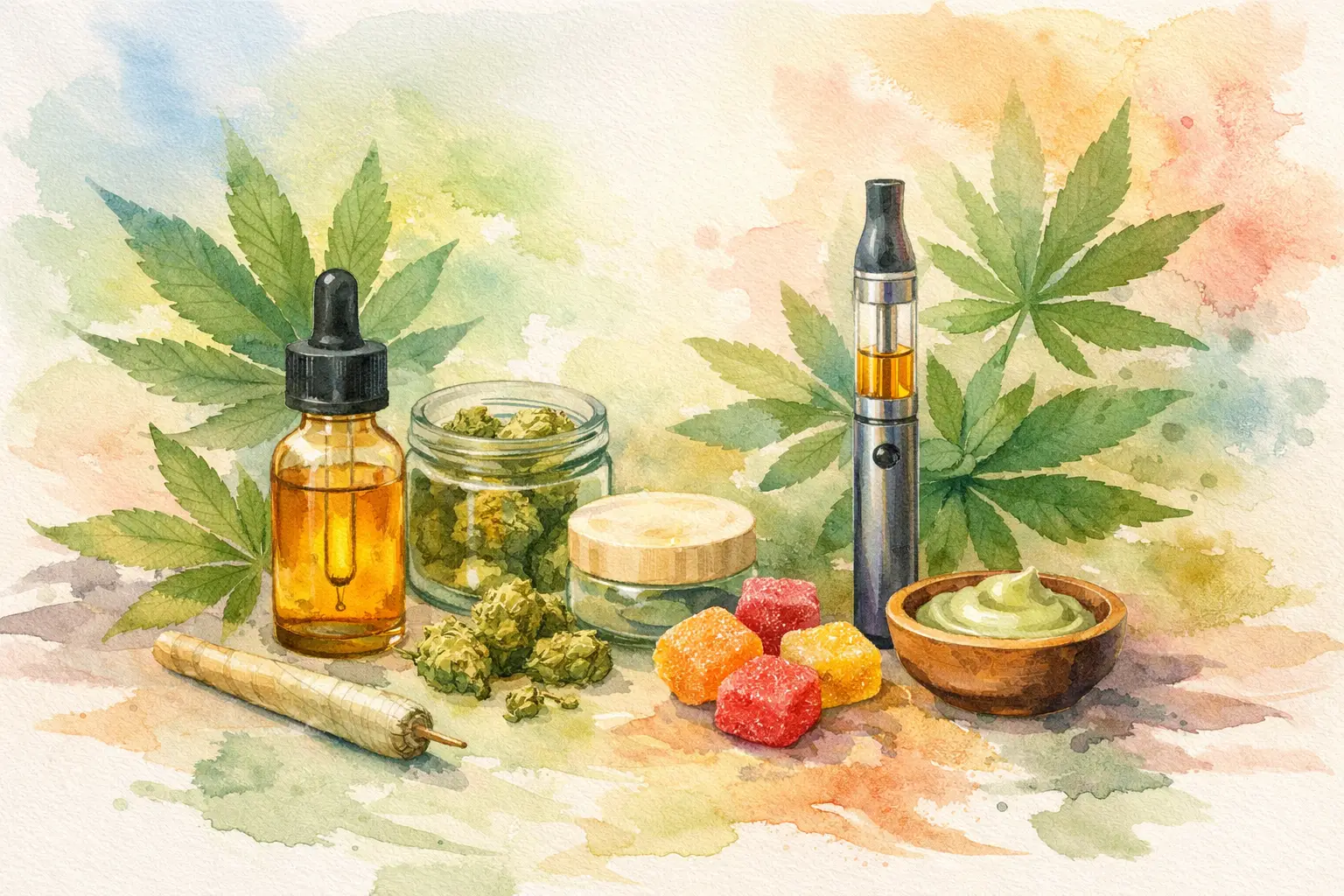
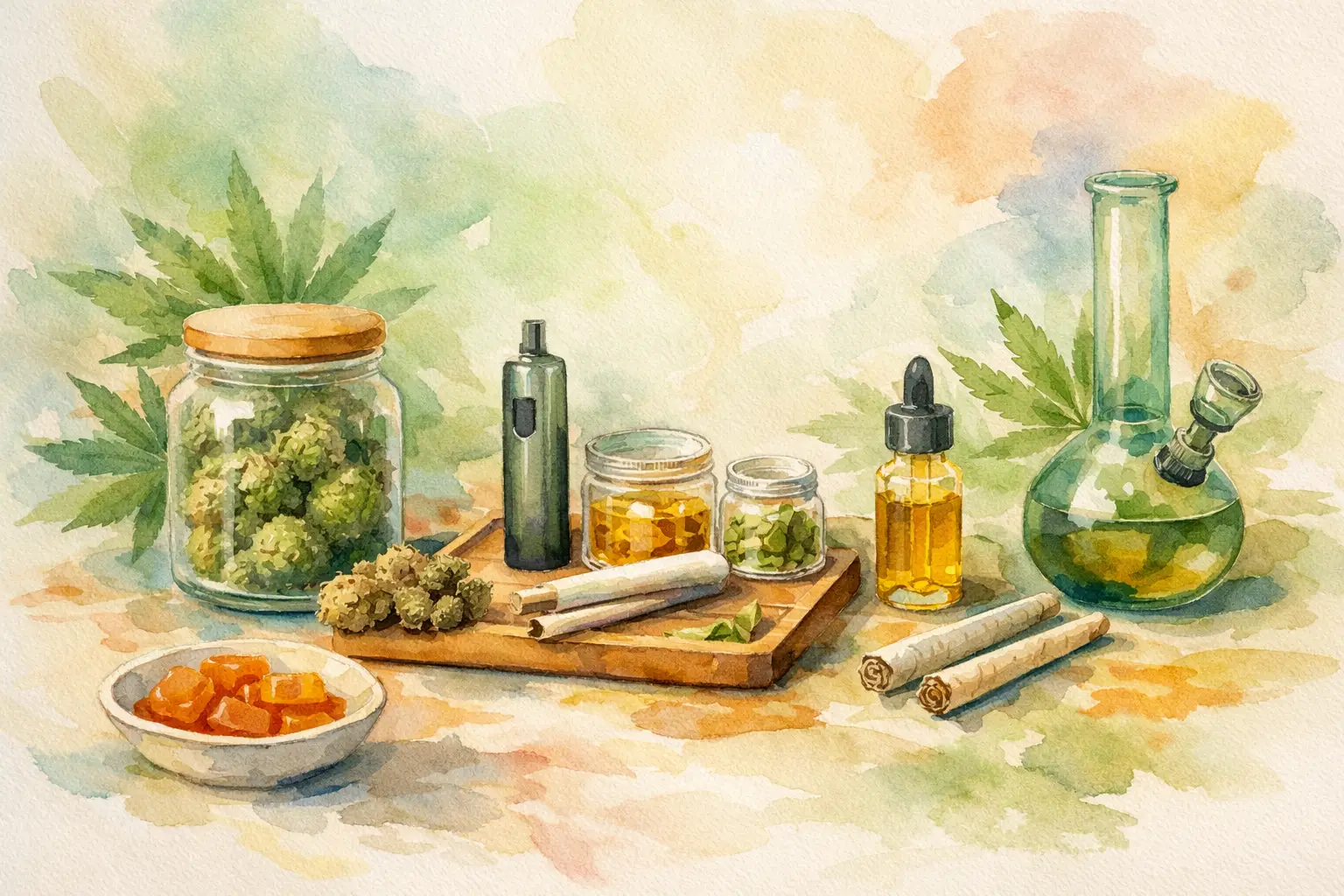
Dried flower is the classic loose cannabis sold by weight, usually in grams. Menus may list 1 g, 3.5 g, 7 g, 14 g, or 28 g options. If you see "whole flower," it generally means intact buds rather than milled product.
Pre-rolls are ready-to-smoke joints. Some are sold individually, while others come in multi-packs. The menu may mention the number of pre-rolls and the weight of each one, which helps you compare value more accurately than pack price alone.
Vapes or vape cartridges contain cannabis extract for use with a compatible battery. These can include distillate, live resin, rosin, or full-spectrum extract. The extraction type can affect flavour and overall profile, not just potency.
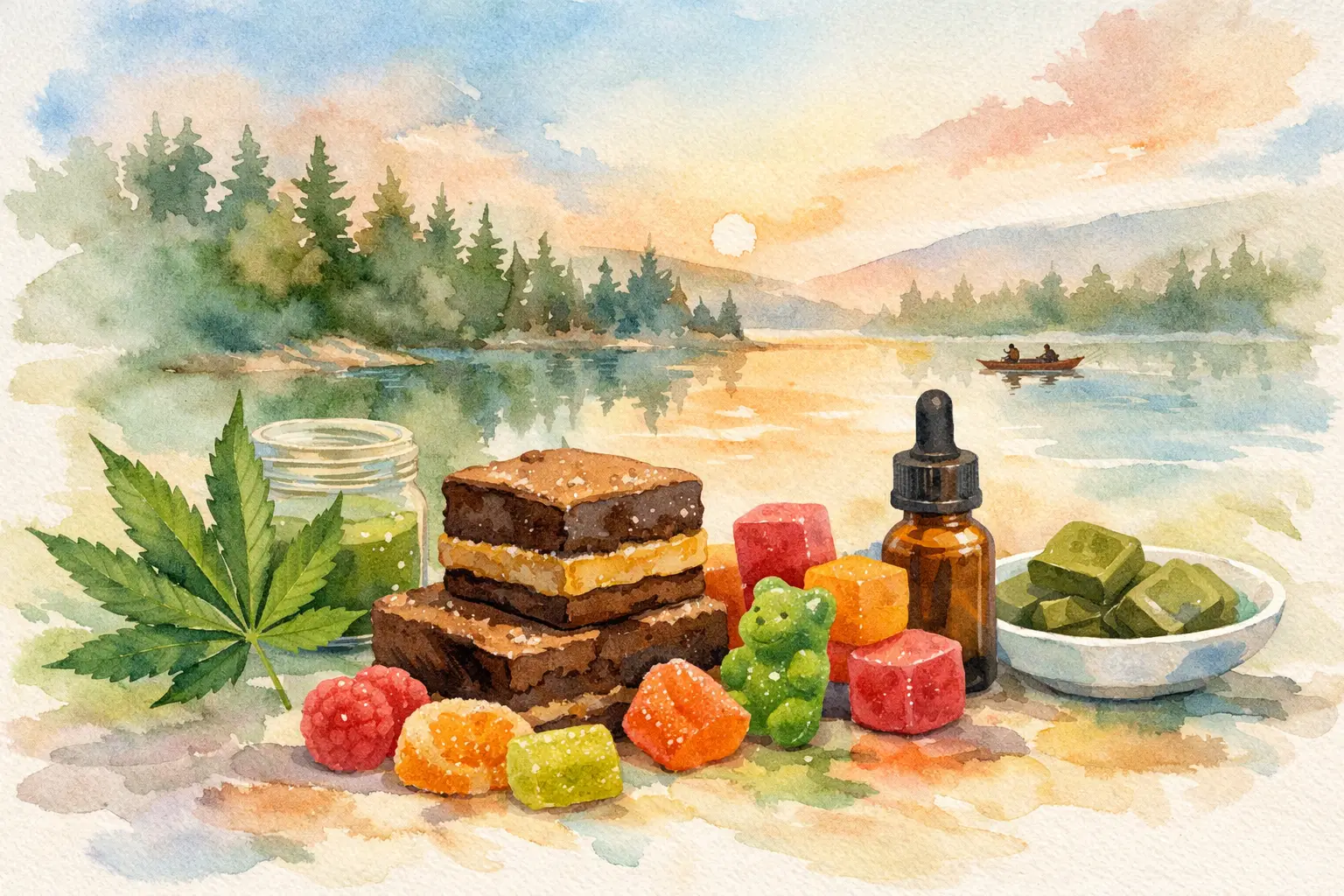
Edibles include gummies, chocolates, beverages, and baked products. In Canada, edible THC limits are tightly regulated, so the total THC per package is usually lower than many new shoppers expect.
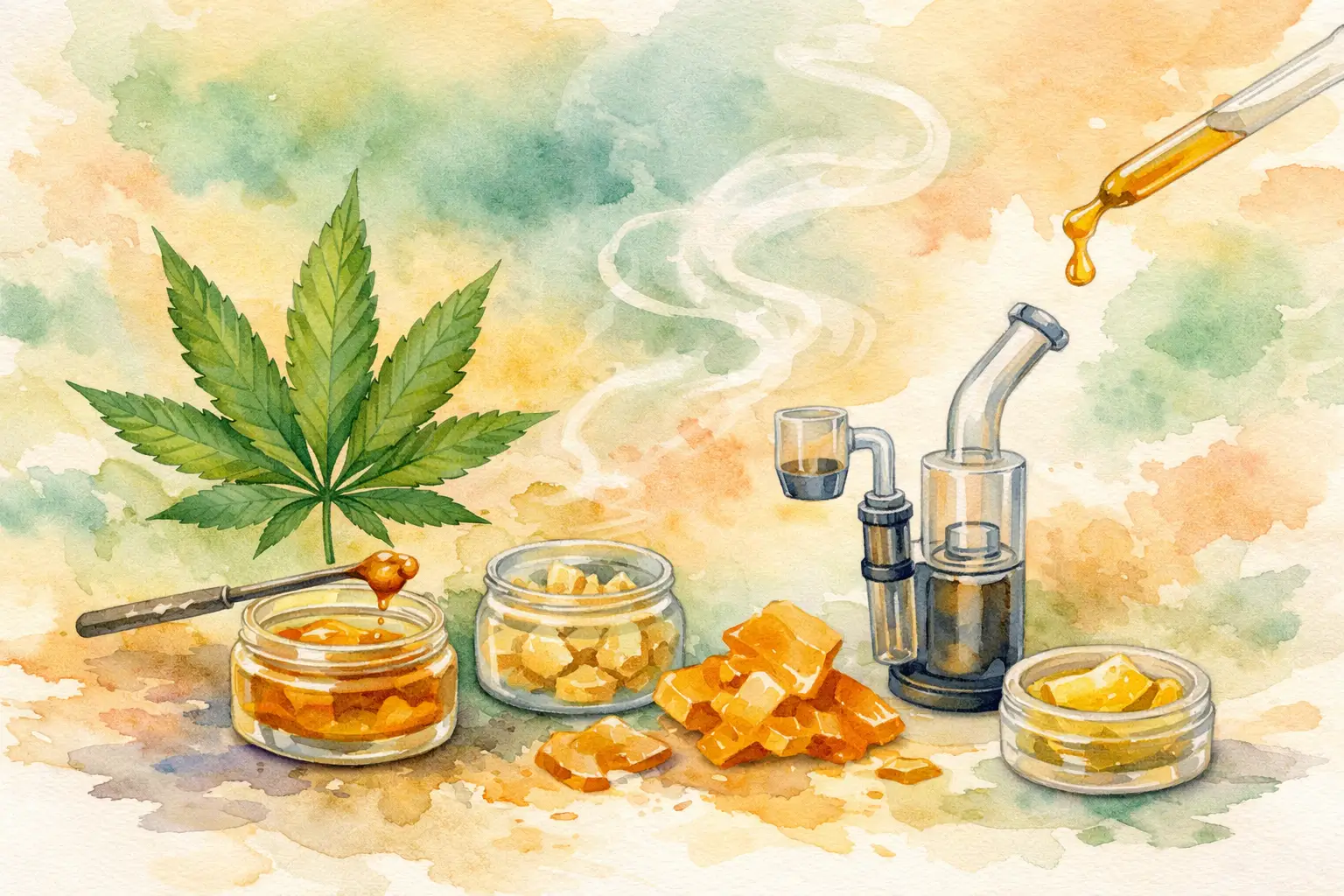
Concentrates are higher-potency extracts such as shatter, wax, live resin, hash, and rosin. These are generally better suited to experienced consumers because potency can be significantly higher than flower.
Oils, capsules, and sprays are ingestible formats often chosen by shoppers who want measured doses without smoking or vaping.
Topicals are creams, balms, and similar products applied to the skin. They are a separate category and do not work like inhaled or ingested cannabis products.
What THC and CBD really mean on a menu
THC stands for tetrahydrocannabinol, the primary intoxicating cannabinoid in cannabis. When a menu says a flower product has 22% THC, that usually means the product is expected to produce stronger psychoactive effects than a flower at 12% THC. Higher is not always better, though. Potency affects intensity, but overall experience also depends on terpene profile, dose, tolerance, and format.
CBD stands for cannabidiol, a non-intoxicating cannabinoid that some shoppers prefer for a milder experience. A menu may show THC and CBD together because some products are balanced, while others are heavily weighted toward one or the other.
You may also see "total THC" and "total CBD." These terms are useful because raw cannabis contains cannabinoid acids like THCA and CBDA that convert through heat. Total THC gives a better estimate of what is available after activation than THC alone.
For edibles, oils, and capsules, potency is usually listed in milligrams rather than percentages. That difference matters. A vape cart at 80% THC is measured differently from a gummy with 10 mg THC. If you are comparing formats, focus on the unit being used, not just the number.
Minor cannabinoids and why they appear on menus
Some menus now mention CBG, CBN, or CBC. These are minor cannabinoids that may contribute to the product profile, but they should not be treated as guarantees of a specific effect. Their presence can help experienced shoppers narrow down options, but for most consumers, format, THC level, and terpene profile are the more practical starting points.
Indica, sativa, and hybrid - useful, but not exact
These are still among the most common menu labels, and they are often the most misunderstood.
Indica is commonly used to suggest a heavier or more relaxing experience. Sativa is commonly used to suggest a lighter or more energizing experience. Hybrid usually means a mix, or at least a product that does not sit neatly at either end.
The problem is that these terms are broad and not scientifically precise in the way many shoppers assume. In the legal market, they are still useful as quick menu shorthand, but they should not be your only filter. Two products labelled hybrid can feel very different depending on terpene content, cannabinoid mix, and your own tolerance.
A better way to use these labels is as a starting point, not a promise. If you want a product for evening use, an indica-dominant listing may be worth checking first. But the more reliable details are the actual cannabinoid numbers and terpene notes.
Terpenes and flavour descriptors on legal menus
Terpenes are aromatic compounds found in cannabis and many other plants. On a menu, they usually appear as either total terpene percentage or a list of dominant terpenes such as myrcene, limonene, caryophyllene, pinene, or linalool.
For practical shopping, terpene information is most helpful when you care about flavour and aroma. Citrus, gas, pine, earth, spice, and floral notes often come from specific terpene combinations. A product with high limonene may be described as citrus-forward, while one with pinene may lean more fresh or herbal.
Some consumers also use terpene profiles to help predict how a product might feel. That can be useful, but it is not exact. Menus can guide you, not guarantee a result. If you are new to shopping legal cannabis, flavour notes are often easier to use than highly technical terpene theory.
Common menu terms that affect buying decisions
A few terms show up often and are worth decoding quickly.
"Craft" usually refers to smaller-batch production and specific cultivation standards. It can suggest more attention to flower quality, but it often comes with a higher price.
"Milled" means the flower has already been ground. It is convenient and often more affordable, but some shoppers prefer whole flower for freshness and control.
"Distillate" is a refined extract commonly used in vapes and some infused pre-rolls. It is often high in THC but may have a narrower flavour profile unless terpenes are added back.
"Live resin" and "live rosin" generally refer to extracts made from fresh frozen material, often valued for stronger flavour and a fuller profile. Rosin is solventless, which matters to some consumers. These products are often priced above standard distillate.
"Infused" means extra cannabis extract has been added to a product, commonly a pre-roll. That usually increases potency significantly.
"Ready to drink" or cannabis beverage means a regulated edible drink format. It may appeal to shoppers who do not want to smoke, but onset time can still vary.
How to read potency without overbuying
One of the most common mistakes is shopping by the biggest THC number only. That approach can work for experienced users with clear preferences, but it often leads new or occasional consumers toward products that are stronger than necessary.
If you are buying flower, a mid-range THC percentage can still provide a solid experience, especially if the terpene profile suits your preferences. If you are buying edibles, low-dose products are usually the safer starting point because the effects take longer to appear and can last much longer than inhaled formats.
The best menu is not always the one with the strongest products. It is the one that gives you enough detail to choose with confidence. That includes category, potency, pack size, flavour profile, and clear unit pricing.
Cannabis menu terms explained in a practical way
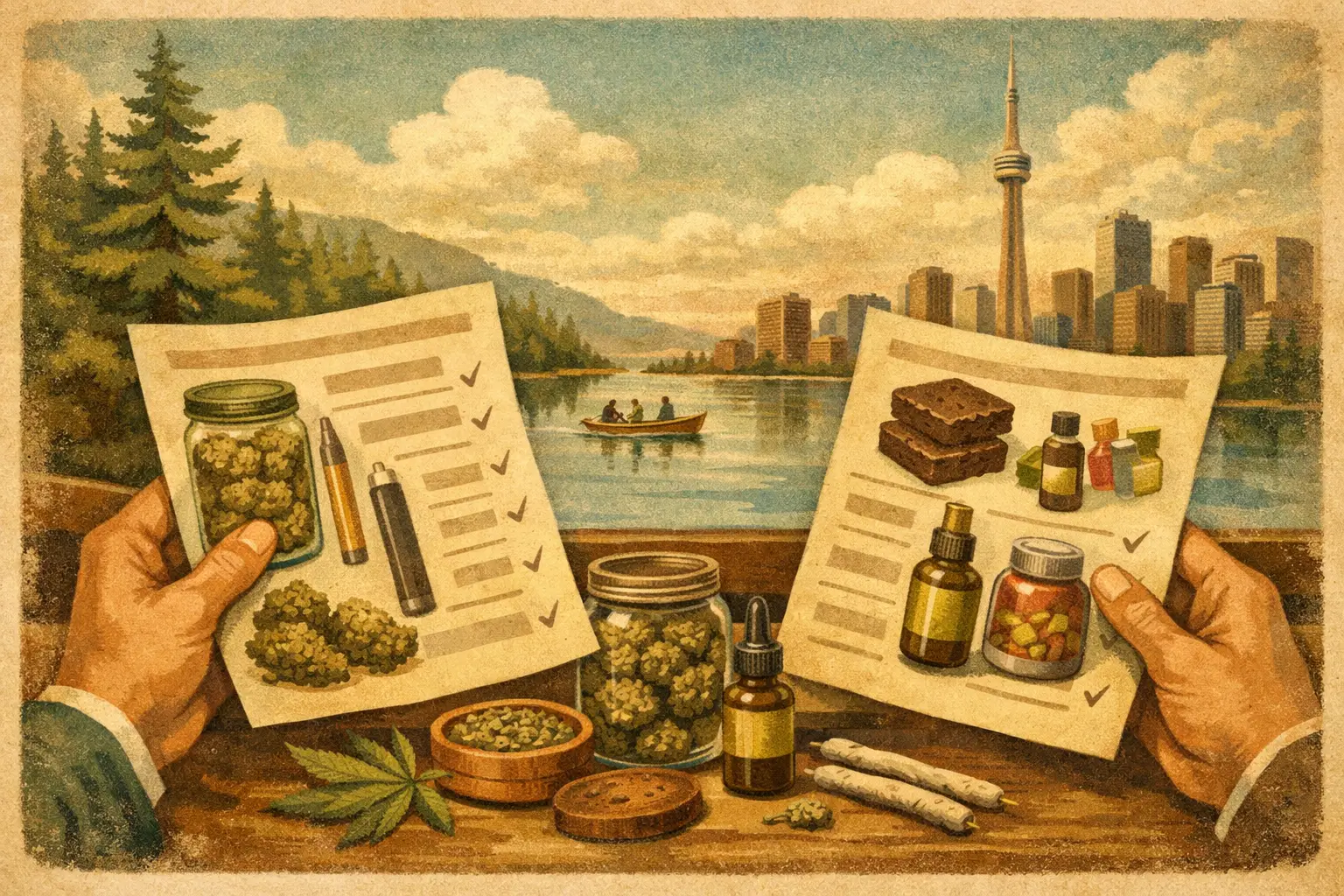
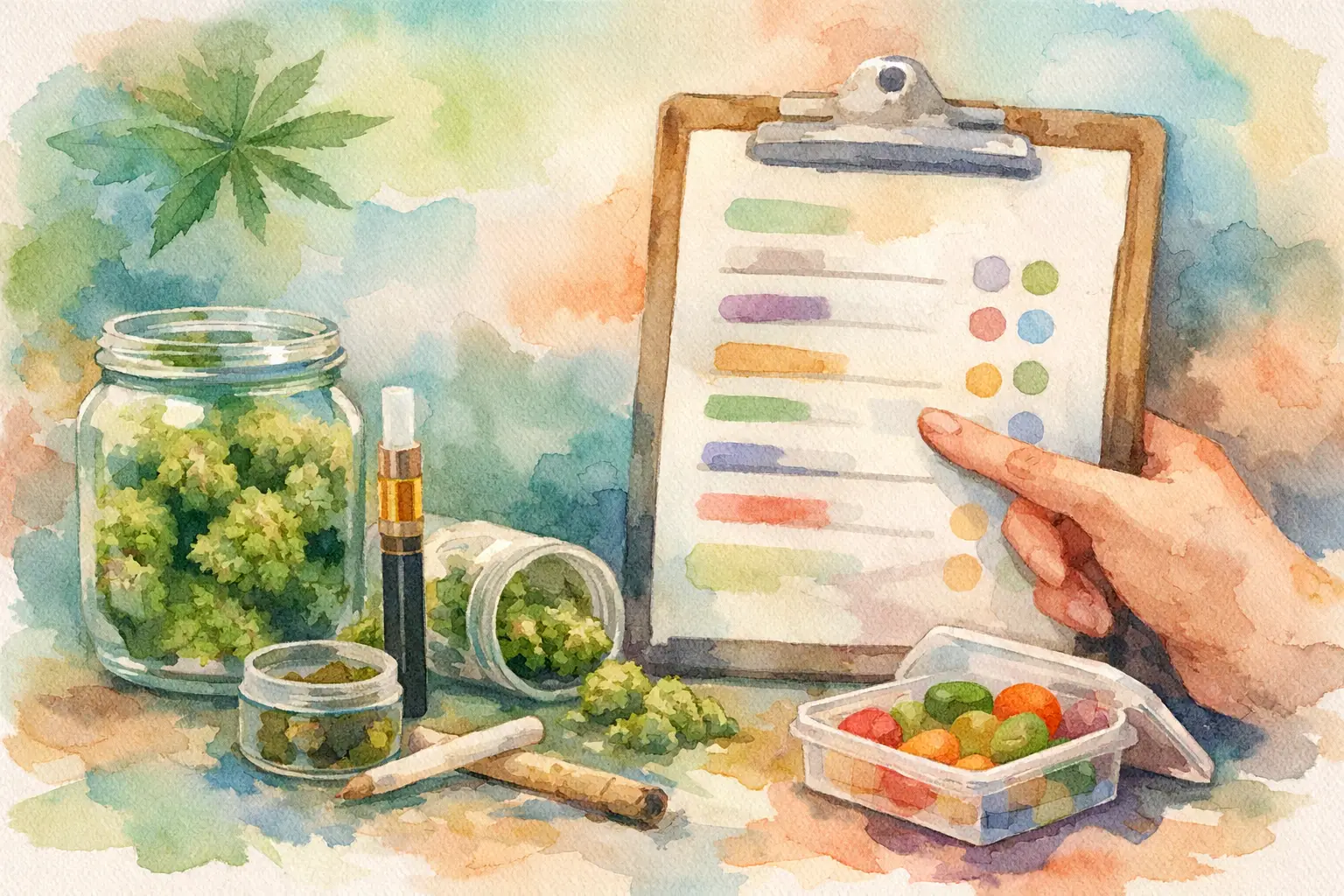
If a menu feels crowded, read it in this order: start with the format, then check THC and CBD, then review pack size or weight, and finally look at descriptors like indica-dominant, terpene notes, or extraction type. That simple sequence cuts through most of the noise.
For example, if you see a 3 x 0.5 g infused pre-roll at high THC, that tells you it is a multi-pack, each pre-roll is half a gram, and the infused format will likely hit harder than standard flower. If you see a 10 mg THC beverage with 0 mg CBD, that tells you the total package dose and that the experience will differ from smoking even though the THC number looks small.
For Ontario shoppers using a directory like OntarioCanna to compare legal stores, understanding these menu terms also makes it easier to judge whether a retailer is providing complete, transparent product information. Clear menus usually reflect a better buying experience overall.
The goal is not to memorize every cannabis term on day one. It is to recognize the menu details that actually affect your purchase, your budget, and your comfort level. Once you can read format, potency, and product type with confidence, the rest of the menu becomes much easier to sort through.