









































A dispensary menu can save you a wasted trip in about 30 seconds. If you have ever shown up expecting pre-rolls, a specific edible format, or same-day pickup only to find the item sold out or the store cash-only, you already know why dispensary menus matter.
For Ontario shoppers, a menu is not just a product list. It is a practical screening tool that helps you confirm whether a licensed cannabis store fits what you need before you leave home. That matters even more in a market where selection, pricing, order options, and payment methods can vary sharply from one retailer to the next.
Why dispensary menus matter in Ontario
Ontario’s legal cannabis market gives adults 19+ a lot of choice, but choice only helps if the information is current and easy to compare. A good menu tells you whether a store actually carries the category you want, whether the price works for your budget, and whether the product is available right now.
That sounds basic, but it solves several common purchase problems at once. First-time buyers often need category clarity. Experienced shoppers usually care more about strain availability, potency, format, and value. Both groups want to avoid unlicensed sellers and confirm that the retailer is operating legally.
This is where menu quality matters. Some dispensary menus are detailed, updated often, and structured around how people actually shop. Others are incomplete, outdated, or too thin to support a confident purchase decision. The difference affects convenience, but it also affects trust.
What useful dispensary menus should include
At minimum, a menu should show product names, categories, prices, and availability. If it stops there, it may still be enough for a quick browse, but it is not especially helpful for comparison shopping.
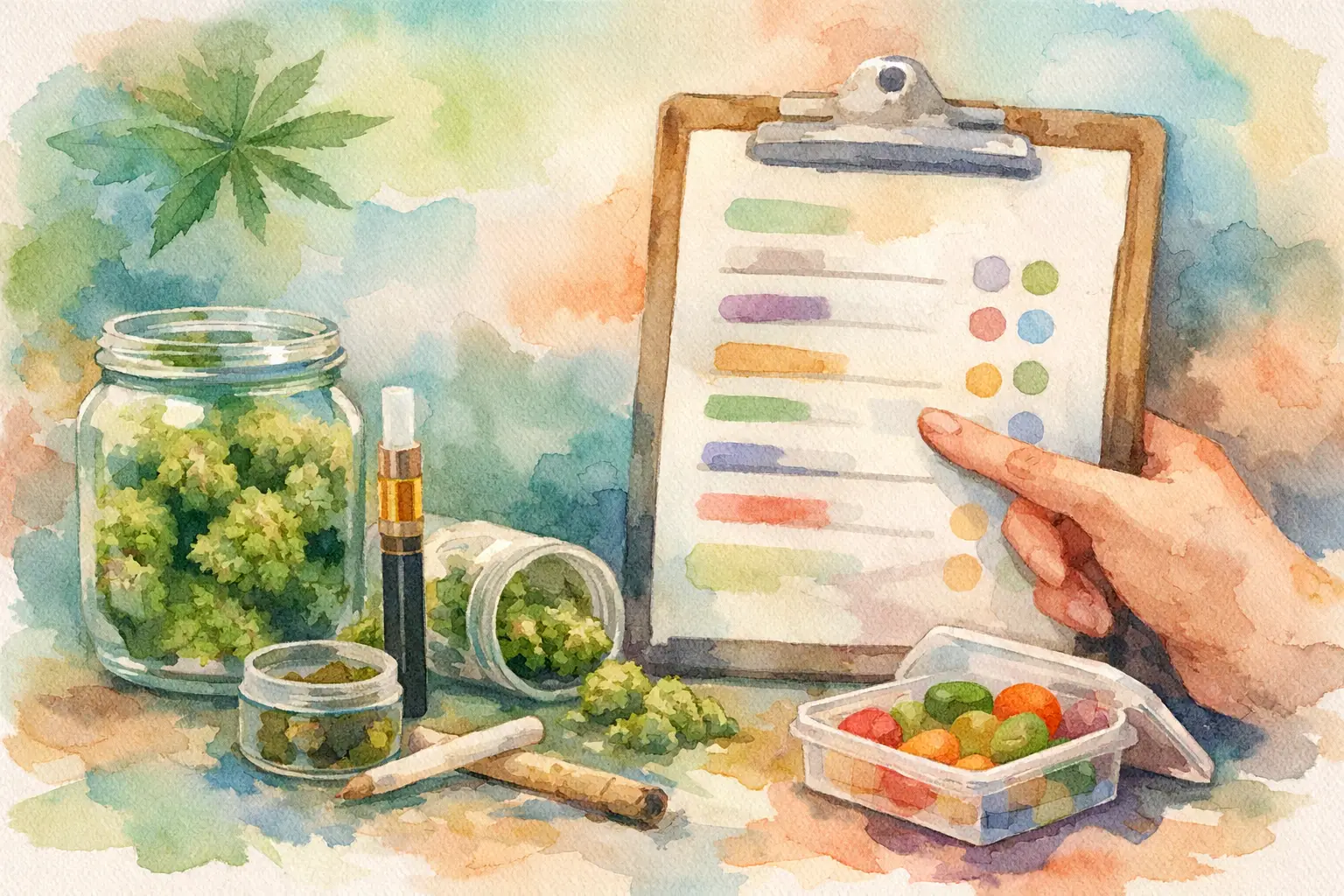
The better menus usually include format details such as dried flower, vapes, pre-rolls, edibles, concentrates, beverages, oils, capsules, and topicals. They may also show THC and CBD ranges, package sizes, brand names, indica or sativa leaning descriptions, and whether products are available for in-store shopping, pickup, or delivery where permitted.
For Ontario consumers, payment information deserves more attention than many menus give it. Cannabis retail payment processing can be inconsistent across stores, especially online. A menu or store profile that confirms cash, debit, Interac e-Transfer, or cryptocurrency acceptance removes friction before checkout. If payment flexibility matters to you, this is not a minor detail.
Hours, location, and order cut-off times also belong in the same decision-making process. A strong menu supports the whole trip, not just the product search.
How to read dispensary menus without missing the details
The first thing to check is whether the menu looks current. If a store shows broad category coverage but too many products have unclear stock status, you may still end up disappointed. Real-time inventory is ideal, but even frequent updates are better than a static page that leaves you guessing.
Next, look past the headline price. Cannabis products can look similar until you compare package size, total cannabinoid content, and format. A lower flower price might reflect a smaller weight. An edible may appear cheap until you compare total THC across the pack. A vape cartridge might sit at a higher price point because it comes from a more established brand or uses a different hardware setup. Menus are only useful when you read them as product data, not just as a price board.
It also helps to think in terms of purpose. If you want convenience, pre-rolls and beverages may matter more than broad flower inventory. If you want maximum category depth, one store may outperform another even if its overall menu is smaller. A large menu is not automatically a better menu.
Comparing dispensary menus by shopping goal
If your priority is price, focus on unit value instead of isolated sale tags. Compare grams to dollars, cartridge volume to price, and total cannabinoid content where relevant. Stores sometimes rotate promotional pricing across categories, so the cheapest flower retailer may not be the best option for edibles or vapes.
If your priority is selection, check whether the menu has depth within the category you use most. One store may carry many brands but only one or two meaningful options in concentrates. Another may have fewer total listings but stronger variety in potency, package size, and format.
If your priority is speed, the menu should make pickup, delivery area, or in-store availability obvious. There is little value in finding the right product if the order path is unclear or the store’s fulfilment timing does not work for your day.
If your priority is payment convenience, verify accepted methods before building a cart. This is especially relevant for shoppers who prefer Interac e-Transfer or want alternatives beyond standard in-store card use.
Red flags to watch for in dispensary menus
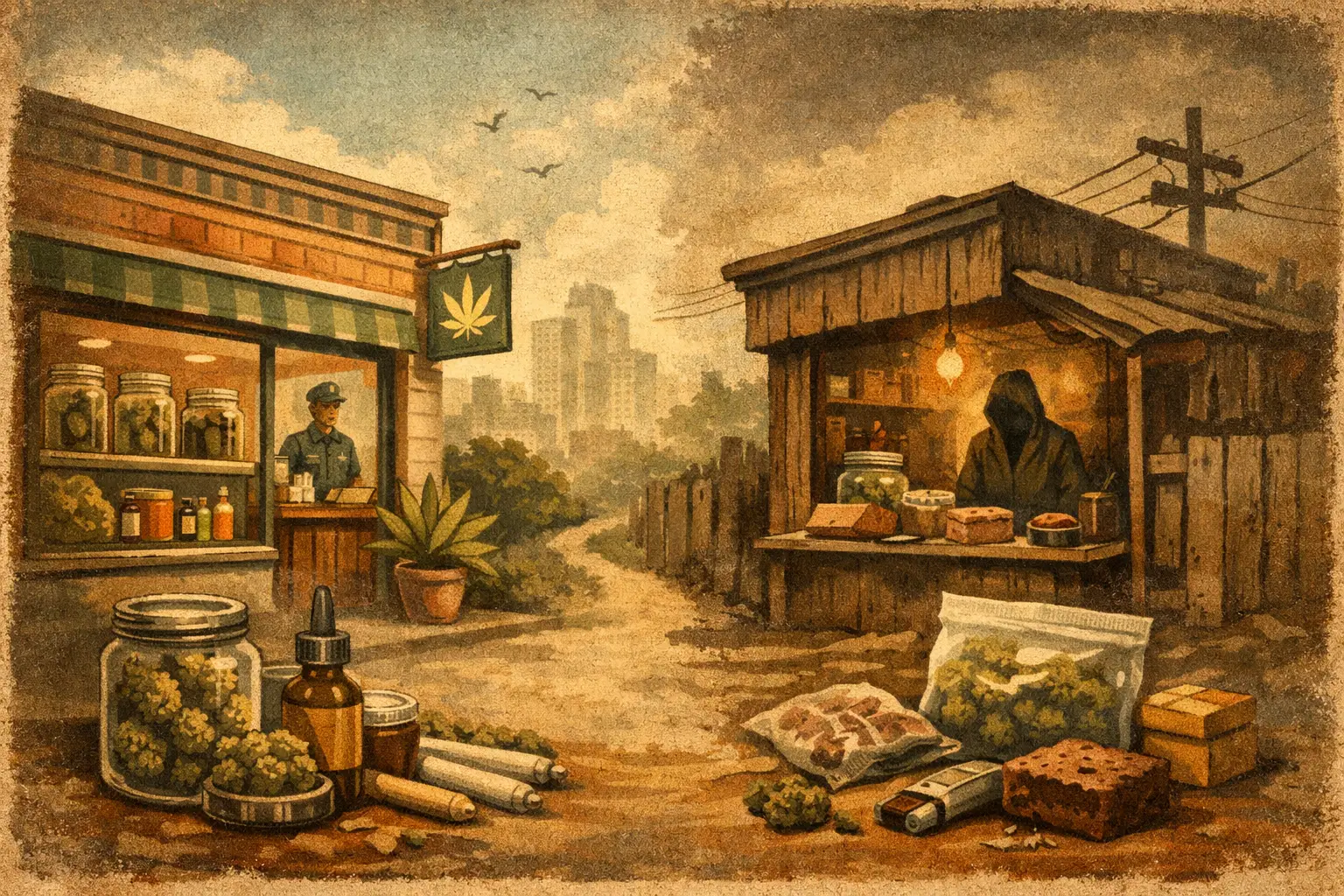
A menu does not need to be perfect, but certain issues should make you slow down. If you cannot confirm that the retailer is licensed, that is the first problem. In Ontario, legal compliance is not optional. Adults should buy only from authorized cannabis retailers.
Another concern is vague product information. If listings do not show enough detail to distinguish one item from another, the menu is doing half the job. The same goes for missing stock status, unclear prices, or no indication of category structure.
A weak menu can also suggest weak store operations. That does not always mean the retailer is unreliable, but it can mean more time spent calling, messaging, or troubleshooting basic questions. For most shoppers, that defeats the point of checking online first.
How dispensary menus help first-time legal buyers
For newer shoppers, menus reduce the pressure of asking every question in person. You can review categories at your own pace, see how products are packaged, compare potency ranges, and narrow down options before entering the store.
That said, menus have limits. They can organize information, but they cannot replace informed staff guidance when you are unsure about formats or dosing. Edibles are a good example. A menu might show THC content clearly, but it cannot tell you how your body will respond. The best approach is to use the menu to shortlist legal options, then ask follow-up questions when needed.
This is one of the more practical benefits of directory-style discovery. Instead of bouncing between scattered store sites, shoppers can compare multiple licensed retailers and make a more efficient decision based on location, stock, hours, and payment details in one place. OntarioCanna is built around that exact use case.
Why local menu relevance matters
A menu is only useful if it reflects your actual access options. Toronto shoppers may have many nearby stores, while consumers in smaller Ontario markets may need to prioritize driving distance, open hours, or whether delivery is available in their area. That changes how the same menu is evaluated.
In dense urban markets, comparison tends to centre on price, stock depth, and pickup speed. In suburban or smaller municipalities, the most useful menu may be the one that confirms availability and payment clearly enough to justify the trip. This is why province-specific cannabis search tools have value. Local context changes the purchase decision.
The best dispensary menus support action
The strongest dispensary menus do not overwhelm users with clutter or thin marketing copy. They help adults verify the essentials quickly: legal store status, product availability, pricing, category range, order options, hours, and payment methods.
That practical standard matters more than flashy presentation. A clean, current menu with accurate information will usually outperform a more polished menu that leaves out basic details. For Ontario shoppers, certainty is part of convenience.
Before your next purchase, treat the menu as more than a browse page. Use it to confirm that the store is licensed, the product is in stock, the price still makes sense after comparison, and the payment method fits how you want to check out. A few extra seconds on the menu can save you a frustrating trip and help you buy from the right legal retailer the first time.