


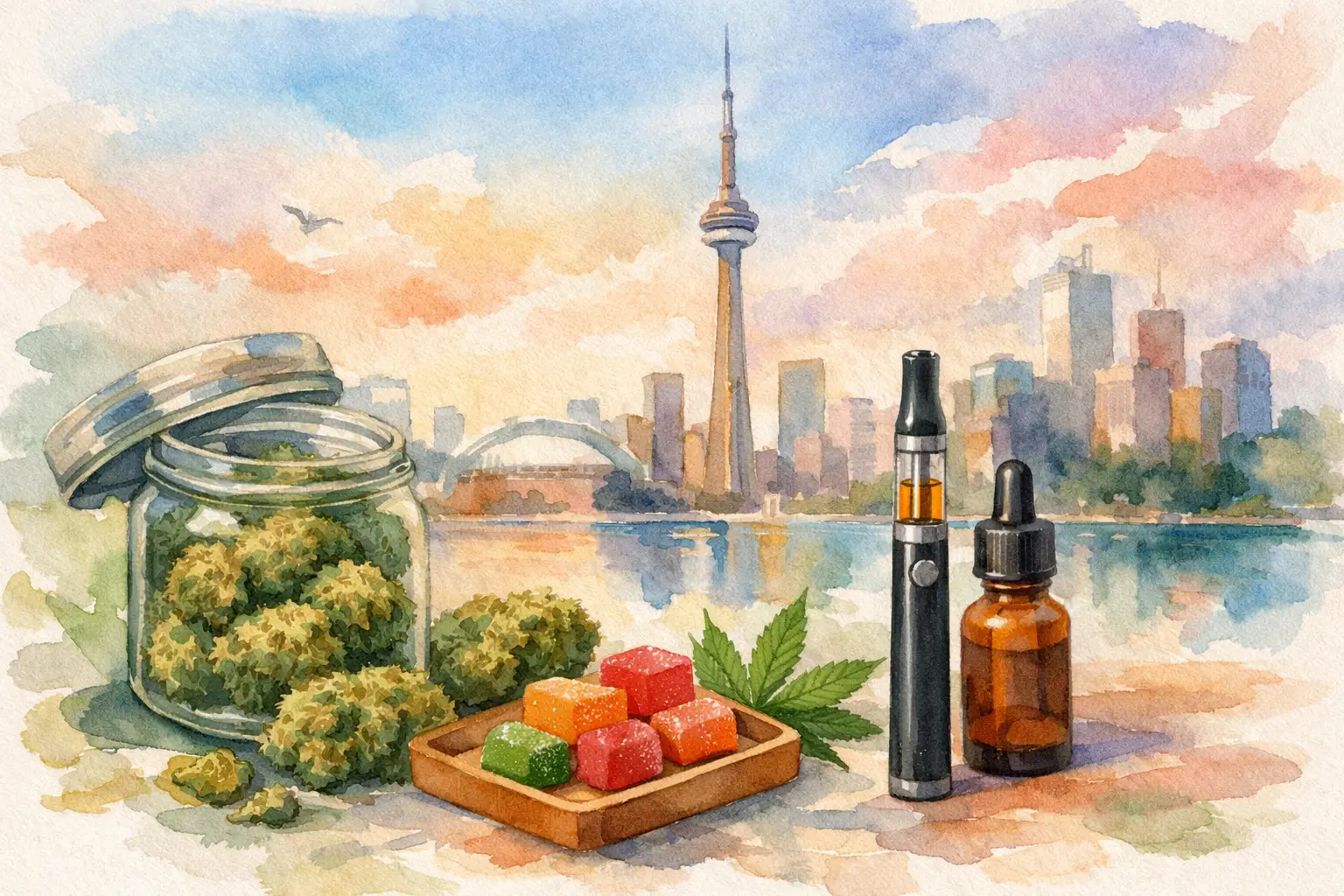


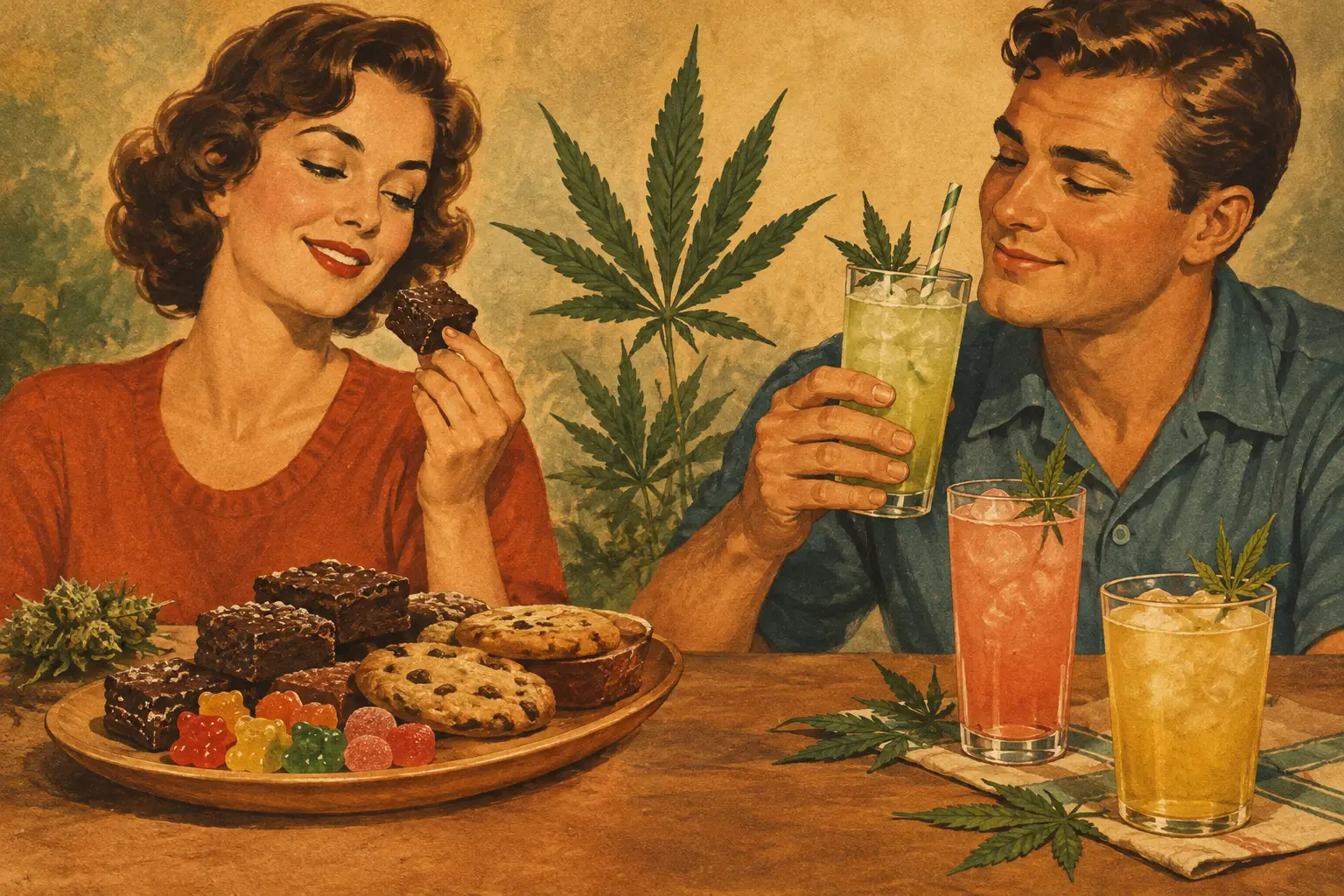
A 10 mg THC chocolate and a 10 mg THC cannabis beverage can carry the same legal package limit, but they do not necessarily create the same experience or fit the same occasion. When comparing edibles versus cannabis drinks, Ontario consumers should look beyond flavour and format. Onset time, dose control, duration, calories, storage, and personal tolerance all affect which option makes practical sense.
Both products are available through Ontario’s legal cannabis system for adults 19 and older. The safer starting point is always the same: buy from an AGCO-licensed retailer, read the label carefully, and give the product enough time before considering more.
Edibles versus cannabis drinks: the practical difference
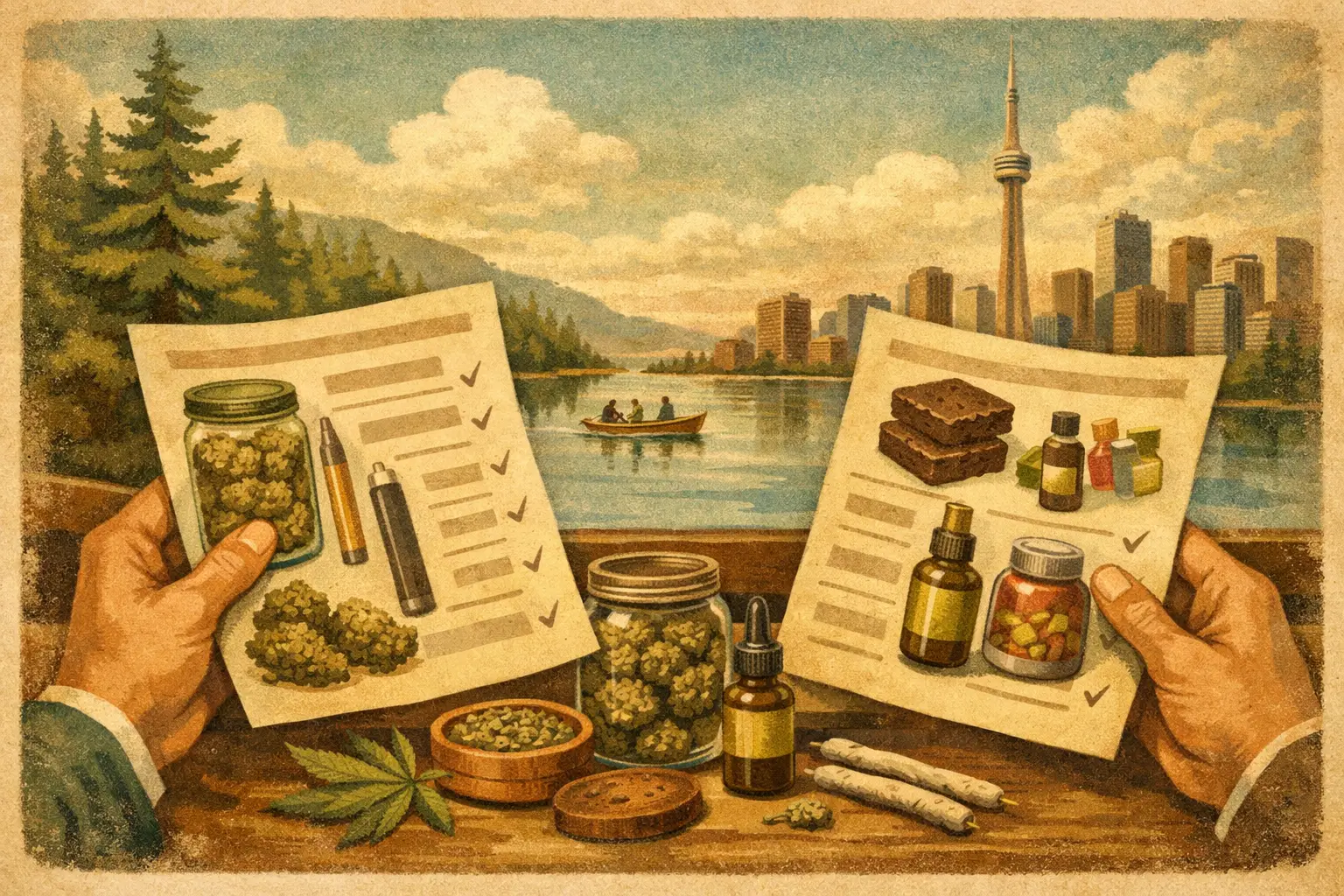
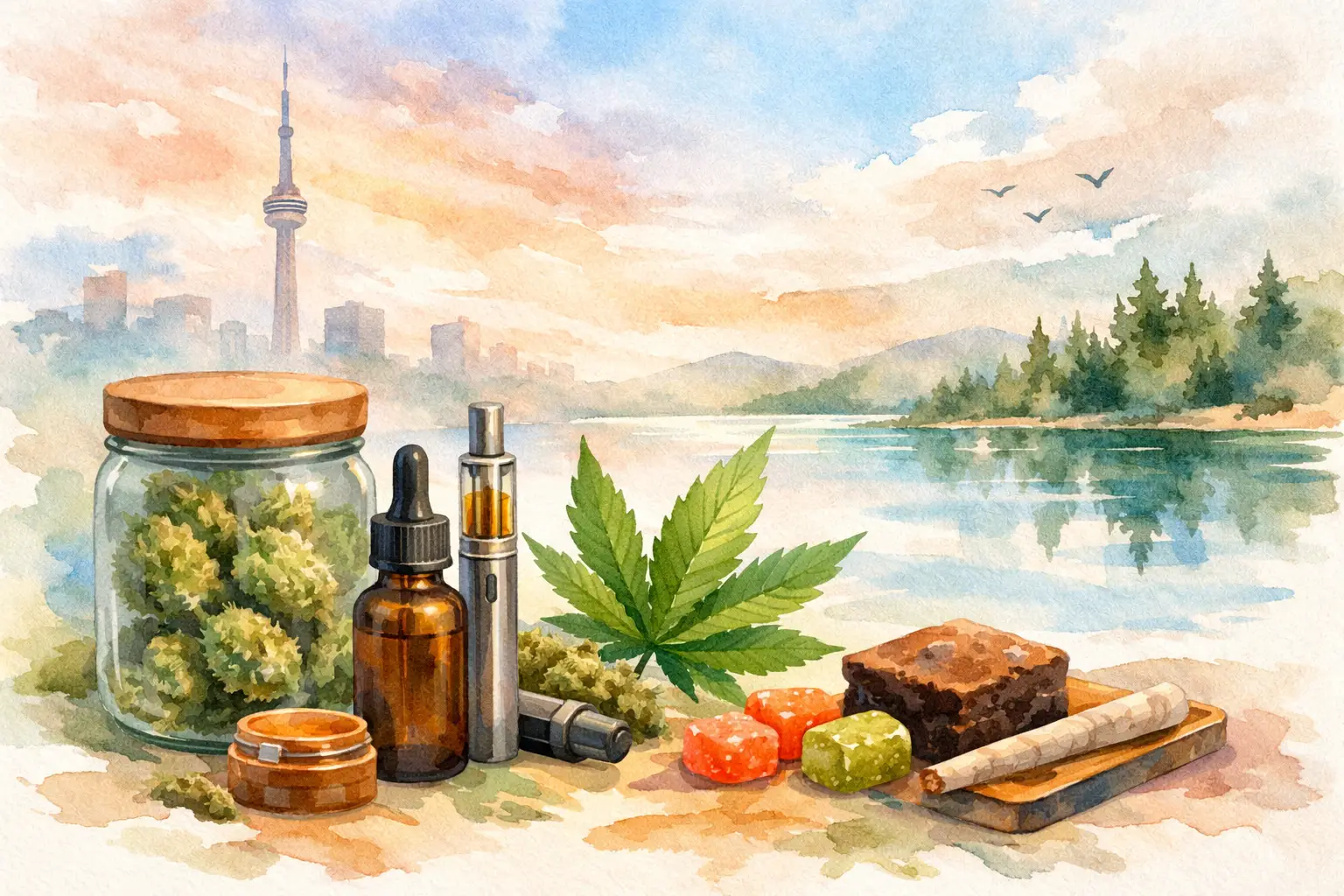
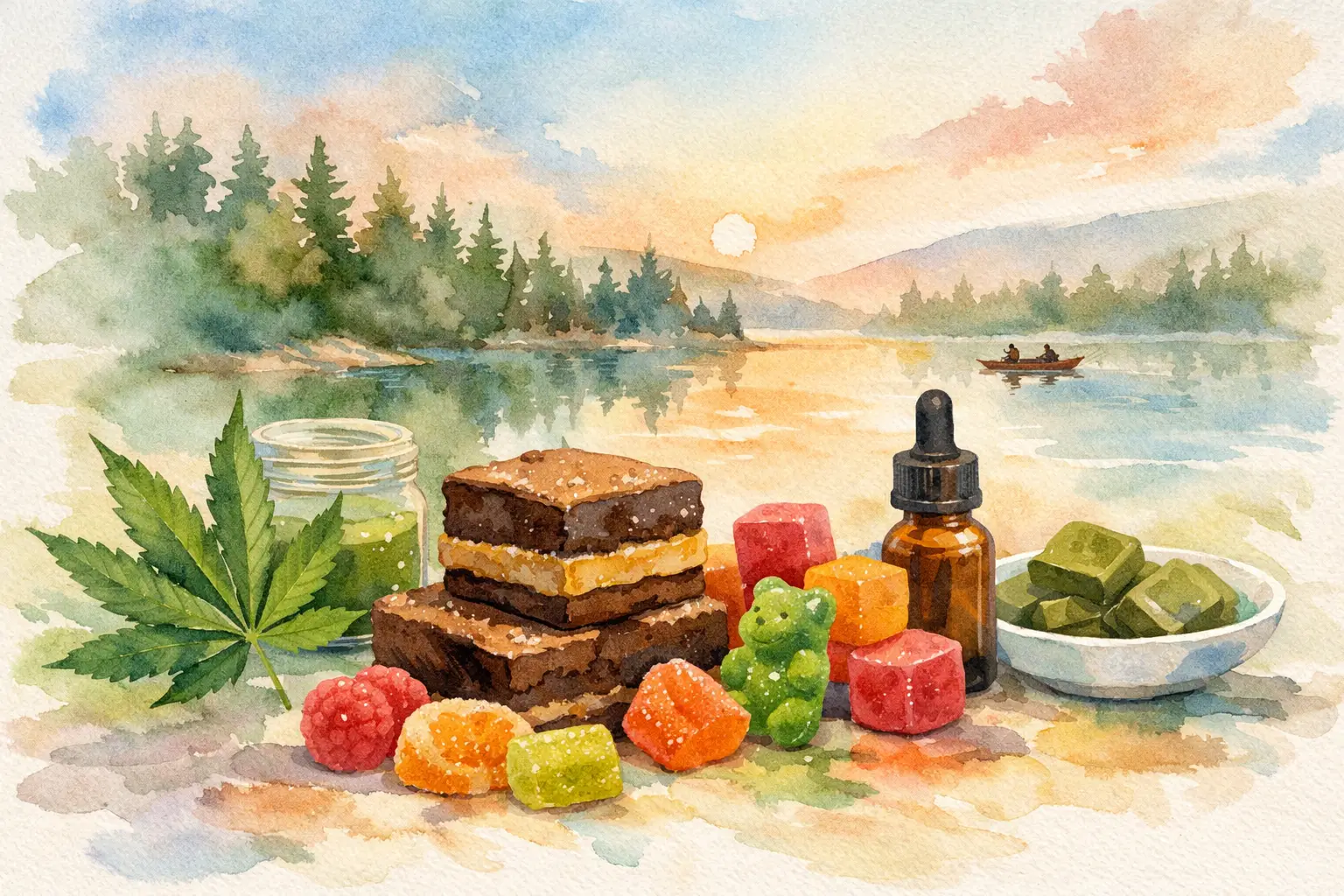
Edibles are foods infused with cannabis, such as gummies, chocolates, baked goods, mints, and chews. Cannabis drinks are ready-to-consume beverages, commonly sparkling waters, sodas, teas, lemonades, and similar non-alcoholic products containing THC, CBD, or both.
The biggest difference is often how consumers use them. A gummy or chocolate is compact, discreet, and easy to keep on hand. A drink can feel more familiar at a social gathering or during a quiet evening when someone wants a single, measured serving without smoking or vaping.
Legally sold edible cannabis products in Canada are generally limited to 10 mg of THC per immediate container. That means a package of gummies may contain 10 mg total, divided across several pieces, while one beverage can contain 10 mg total in the can or bottle. Always check the specific label. Product formats, serving sizes, and cannabinoid ratios vary widely.
Equal labelled THC does not guarantee identical effects. Factors including metabolism, whether you have eaten, frequency of cannabis use, medication interactions, and individual sensitivity can change the experience. CBD may also be present, but it does not cancel impairment from THC.
Onset and duration are not interchangeable
Traditional edibles need to move through the digestive system before much of the THC is felt. For many people, effects may begin in 30 minutes to two hours, with a later peak. The overall experience can last four to eight hours or longer, particularly at higher doses or for people with limited experience.
Cannabis drinks can also take time, but some are formulated to act sooner than conventional edibles. A consumer may feel effects within roughly 15 to 60 minutes. That does not make every drink fast-acting, and it does not make the timing predictable. The label may provide guidance, but it is still wise to wait before consuming another product.
A drink may feel shorter for some consumers, often around two to six hours, while a standard edible may last longer. Those ranges are not guarantees. If you have plans that require you to be alert, work, drive, cycle, supervise children, or make important decisions, THC products are not a suitable choice.
The common mistake is treating a delayed product as if it is not working. Taking a second edible after 30 minutes, or opening another cannabis drink after a few sips, can lead to an unexpectedly high total dose once the first product takes effect. For a first-time or low-tolerance consumer, starting with 1 mg to 2.5 mg THC and waiting is a more cautious approach than beginning with the full package limit.
Dose control: where each format works best
Edibles can offer excellent dose control when they are portioned clearly. For example, a package may contain four gummies with 2.5 mg THC each. This makes it straightforward to take one piece, wait, and decide later whether more is appropriate. It also makes storage simpler when the package is resealed and kept away from children and pets.
Not every edible is equally convenient to divide. A single 10 mg chocolate square is less flexible than individually portioned gummies or mints. If gradual dosing matters to you, look for products that clearly state THC per piece, not only THC per package.
Cannabis drinks are convenient when the container lists a modest total dose, such as 2.5 mg or 5 mg THC. They can be easier to pace during an evening because you can drink slowly. However, a beverage with 10 mg THC is still a full legal package dose, even if it looks like an ordinary can of sparkling water.
Consumers who want precise control should avoid estimating doses from an unmarked partial serving. If a drink is resealable, read the label to confirm the THC concentration and use a measured approach. Do not assume that half a bottle always equals half the THC unless the product is mixed as intended and the packaging provides reliable serving information.
Choosing based on the occasion
Edibles tend to suit consumers who value portability, longer-lasting effects, and low-profile storage. A small package is easier to carry than several cans, and many products are shelf-stable. They can be a practical option for a planned at-home evening, provided there is enough time for the effects to wear off before the next day’s responsibilities.
Cannabis drinks may suit people who prefer a familiar beverage format, want to avoid sugary candy, or want a product that can be sipped slowly. They are often useful for adults who do not enjoy smoking, vaping, or the texture of gummies. Some drinks have low or no calories, while others contain sugar, so nutritional labels matter if that is a consideration.
Neither format is automatically better. Someone with a sensitive stomach may find one format more comfortable than another. A person who wants a longer experience may prefer a traditional edible. Someone who wants to avoid a long commitment may prefer a low-dose drink, while still allowing sufficient time for effects to develop.
Do not mix cannabis with alcohol simply because both are served in drinkable or social formats. Combining intoxicants can increase impairment and make it harder to judge how you are feeling. It is also sensible to avoid combining THC products with other substances or medications without speaking to a qualified health professional or pharmacist.
What to check before buying in Ontario
A licensed Ontario cannabis store can help you compare package information, but staff cannot predict how a product will affect you. Bring practical questions: How much THC is in the entire package? How much is in each gummy or suggested serving? Does the drink contain CBD as well? Is it carbonated, sweetened, or caffeinated? Is the edible portioned into small doses?
When comparing products, check these details on the label and listing:
- Total THC and CBD in milligrams, plus THC per piece or serving where applicable.
- The number of pieces or servings in the package.
- Ingredients, allergens, sugar content, and any dietary considerations.
- Packaging instructions, expiry information, and storage requirements.
- Whether the retailer is licensed and authorized to sell legal cannabis in Ontario.
Price comparisons should also be based on milligrams and serving flexibility, not only package price. A lower-priced 10 mg beverage may be a poor fit for a consumer who only wants 2.5 mg, while a multi-piece edible may offer more control across several occasions. Conversely, buying a larger selection of products before understanding your tolerance can create unnecessary waste and confusion.
OntarioCanna helps adult consumers locate licensed cannabis retailers by city and compare store details before visiting or placing an order. That legal retail channel matters: regulated products must meet packaging, labelling, and testing requirements that unlicensed products may not meet.
Use both formats with a plan
Keep cannabis edibles and drinks in their original child-resistant packaging and store them where children, pets, and unsuspecting adults cannot access them. Because drinks and candies can resemble ordinary food and beverages, clear separation is essential. Never leave an opened cannabis drink in a shared refrigerator without making its contents obvious.
Plan transportation before using THC. In Ontario, driving while impaired is illegal, and feeling "fine" is not a reliable test of whether you are fit to drive. Use a designated driver, public transit, a taxi, or a rideshare when needed. Do not consume before operating any vehicle or equipment.
If you consume more than intended and feel uncomfortable, move to a calm setting, avoid taking more cannabis or alcohol, drink water, and ask a trusted sober adult to stay with you. Seek medical help for severe symptoms or if you are concerned about someone’s safety.
The best choice is usually the one that matches your desired dose and your available time, not the product with the most eye-catching flavour. Start low, wait longer than you think you need to, and purchase from a licensed Ontario retailer that makes the product information easy to verify.