









A package of gummies may look straightforward, but the details on the label determine far more than flavour. THC amount, piece size, cannabinoid ratio, and onset time all affect the experience. Knowing how to choose cannabis edibles helps Ontario adults make a measured purchase from a licensed retailer rather than relying on packaging claims or guesswork.
Edibles are processed differently than inhaled cannabis. Their effects can take longer to appear, may last longer, and can feel more intense for some people. That makes product selection and patient dosing especially relevant, whether you are buying a first low-dose edible or comparing options you already know you enjoy.
Start with Ontario's legal edible limits
For adult consumers 19 and older, buying from an AGCO-licensed Ontario cannabis retailer provides a clear starting point: regulated products must be labelled, tested, and sold within federal packaging and dosage rules. A legal edible package can contain no more than 10 mg of THC in total.
That 10 mg may be divided in different ways. One chocolate square may contain the full 10 mg, while a package of four gummies may contain 2.5 mg per gummy. The total THC in the package matters, but the THC per piece is often the more useful number when deciding how much to consume.
Read both figures before you buy. A multi-piece format can make lower-dose use easier because the servings are already separated. A single-piece product is simpler, but it offers less flexibility if you do not want the entire dose.
Choose cannabis edibles by THC dose first
THC is the primary intoxicating cannabinoid in cannabis. For many adults who are new to edibles, 1 to 2.5 mg of THC is a cautious starting range. Some may prefer 2.5 to 5 mg, particularly if they have prior cannabis experience. A 10 mg edible is the legal package maximum, not a universal starting dose.
Tolerance from smoking or vaping does not always translate directly to edibles. The body metabolizes swallowed THC differently, and the effects may be less predictable if you are unfamiliar with the format. Your body size, metabolism, food intake, cannabis experience, and individual sensitivity can all influence the result.
If you want a low-commitment option, look for scored chocolate, individually portioned gummies, mints, or other formats that clearly state milligrams of THC per serving. Avoid estimating a dose by cutting an unmarked product into rough pieces. The package should make the serving size easy to identify.
A higher number is not automatically better value. A product that lets you take a small, consistent amount may be more useful than one that pushes you toward a dose beyond your comfort level.
Understand the wait time before taking more
Most edible effects begin somewhere between 30 minutes and two hours after consumption, though some people may wait longer. Effects can last four to eight hours or more, depending on the dose and person. Eating a meal, especially one containing fat, can also change the timing and intensity.
The practical rule is simple: take your chosen serving, then wait at least two hours before considering more. Do not take another piece because you do not feel an effect after 30 or 45 minutes. Taking more too soon is one of the most common reasons people have an uncomfortable edible experience.
Plan for the full duration. Avoid driving, cycling in traffic, operating equipment, or making decisions that require quick judgement while impaired. If you need to be alert for work, caregiving, travel, or an early commitment, another time may be a better choice.
Consider CBD and balanced edible options
CBD does not produce the same intoxicating effects as THC. Some consumers choose CBD-only edibles, while others prefer balanced products that contain both THC and CBD. The right ratio depends on what you want from the product and how sensitive you are to THC.
A CBD-only edible may suit someone who does not want THC intoxication. A balanced edible might list equal amounts of THC and CBD, such as 2.5 mg THC and 2.5 mg CBD per gummy. These products still contain THC and can impair you, so the same cautious approach applies.
Do not treat CBD as a guarantee that THC effects will disappear or that a product will feel mild. People respond differently, and a balanced product can still be too strong if the THC serving is more than you intended. Focus on the stated milligrams of each cannabinoid, not broad descriptions such as “relaxing” or “chill.”
Pick a format that fits your routine
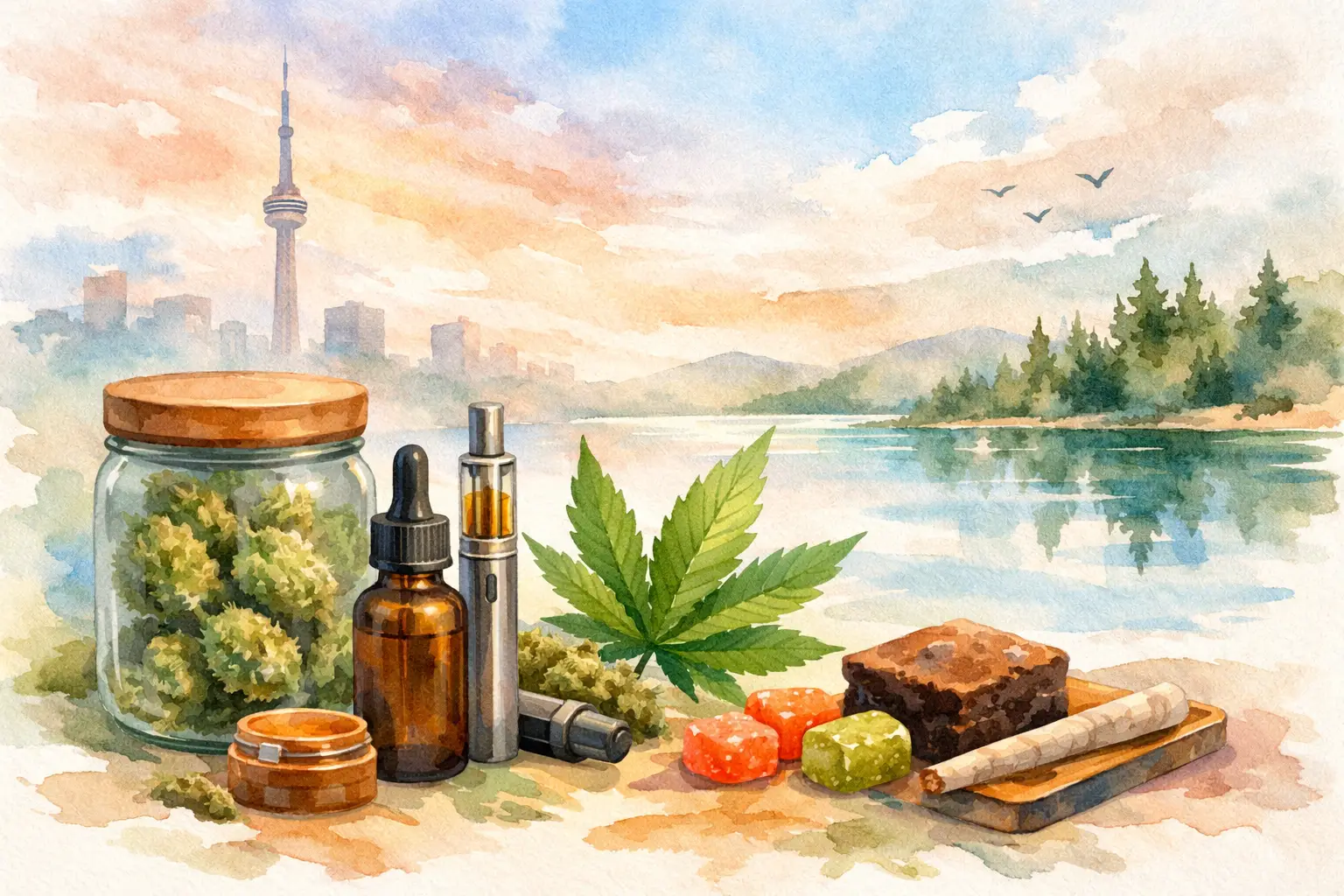
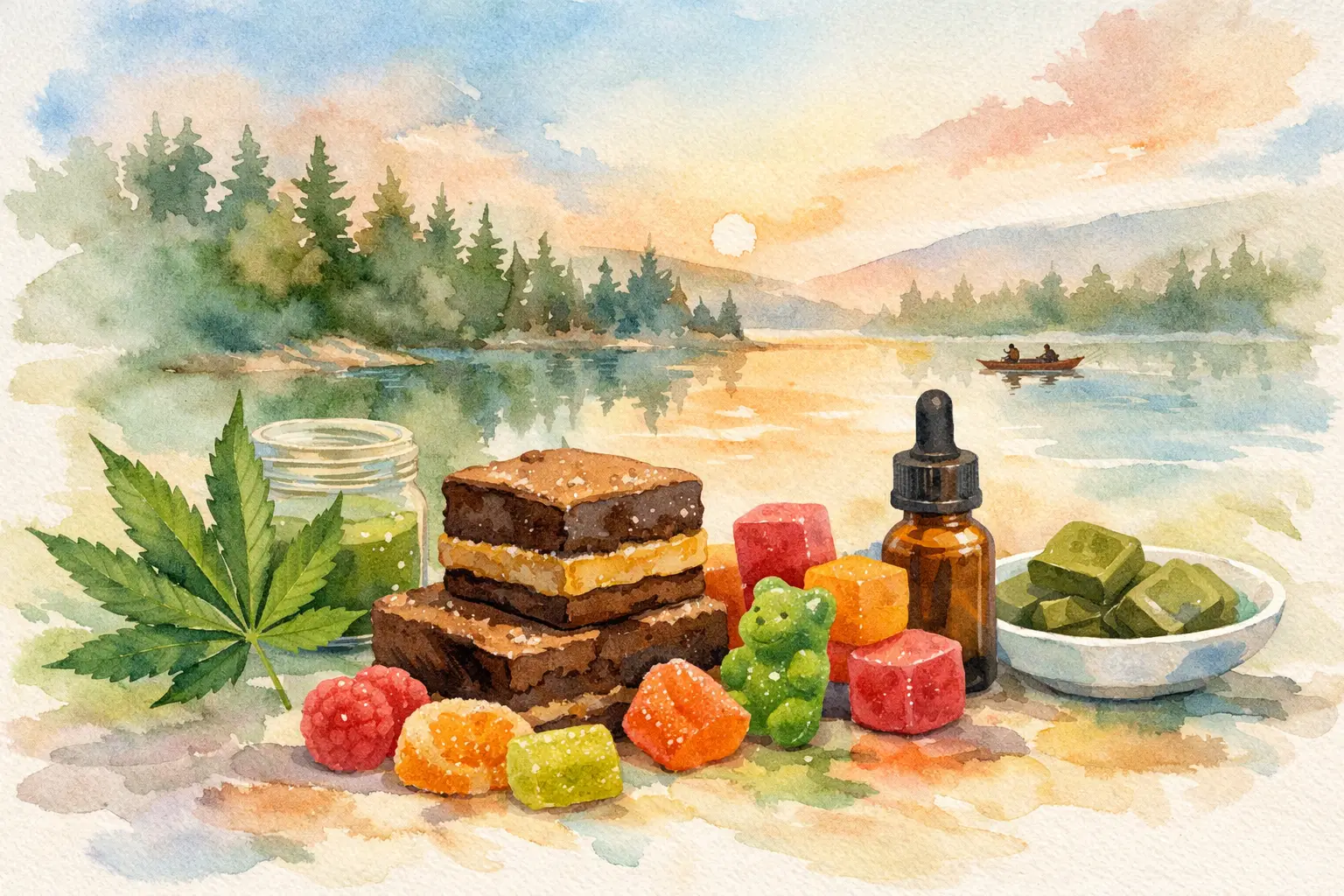
Edibles are available in more than gummies. Ontario licensed retailers may carry chocolates, baked goods, hard candies, mints, dissolvable strips, beverages, capsules, oils, and cooking ingredients. The format changes convenience and, in some cases, the timing of the effects.
Gummies and chocolates are familiar, portable, and often easy to portion. Mints and dissolvable strips may appeal to consumers who want a more discreet option. Beverages can be straightforward because the whole container often represents one serving, but check the label carefully before assuming that is the case.
Capsules and oils can be useful for adults who prefer precise measured doses without a candy-style format. Oils may require a little more attention, since you need to confirm the amount per millilitre and use the marked dropper correctly. Cooking ingredients give you more control over a recipe, but they also require extra care to calculate portions accurately.
Flavour and dietary needs matter too. Check for allergens, gelatin, dairy, gluten, sugar content, and vegan suitability when relevant. This is particularly useful when buying products for a household where regular food items may look similar.
Read the label beyond the front of the package
Legal cannabis packaging can be plain, but it contains the information that should drive your choice. Before purchase, confirm the total THC and CBD, amount per serving, number of servings, product format, ingredient list, lot information, and expiry or packaging date.
Pay attention to the difference between THC shown as a total package amount and THC per unit. For example, a package containing four 2.5 mg gummies has 10 mg THC total. Eating one gummy means consuming 2.5 mg, not 10 mg.
If a retailer menu uses a range for THC content, review the product label when possible. For edibles, the regulated amount is generally expressed in milligrams, which is more practical for dose decisions than the percentage figures often used for dried flower.
Descriptions about flavour, botanical ingredients, or terpene-inspired profiles can help you choose a taste you enjoy. They should not replace the dosage information. A raspberry gummy with 10 mg THC can affect you more than a less appealing flavour with 2.5 mg THC.
Buy from a licensed Ontario retailer
Legal retailers offer products that have entered the regulated supply chain, with required packaging, standardized labelling, and age-gated sales. In Ontario, you must be 19 or older to purchase recreational cannabis. A licensed store can also answer practical questions about product format, available doses, hours, pickup, delivery options where offered, and accepted payment methods.
When comparing local stores, verify that the retailer is licensed and confirm its current menu before making a trip. OntarioCanna helps adult consumers locate AGCO-licensed dispensaries and compare local access details, including store hours and payment options. Product selection changes frequently, so checking availability can save time.
Avoid products sold through unlicensed sources. The dosage may be unclear, packaging may imitate legal brands, and there is no dependable basis for assessing what is actually in the product. Lower apparent prices are not a useful trade-off when dose consistency and product handling are uncertain.
Store edibles like any other controlled product
Because gummies, chocolates, and drinks can resemble ordinary food, keep them in their original child-resistant packaging. Store them out of sight and reach of children and pets, preferably in a locked location. Do not leave them in a shared snack drawer, vehicle, or bag that someone else can access.
Keep the label with the product. If you have more than one edible open, the packaging is the simplest way to avoid mixing up doses. It also helps you track what you took and when, which is useful when you are still learning your preferred amount.
If an edible feels stronger than expected, remain calm, move to a comfortable setting, drink water, and avoid taking more cannabis or alcohol. The effects will pass, though it can take time. Seek medical assistance if you or someone else has severe or concerning symptoms.
The best edible is not necessarily the highest-dose or most popular one. Choose a clearly labelled, legal product with a serving size you can control, give it enough time to work, and leave room to learn what suits you.