











A cannabis flower jar can look straightforward until you are standing in front of a menu with dozens of names, THC percentages, package sizes, and price points. The practical answer to how to choose flower is not to find the single “best” strain. It is to choose a legal product that fits your experience level, preferred method of use, budget, and tolerance for uncertainty.
For Ontario adults aged 19+, start with an AGCO-licensed retailer. Licensed stores sell regulated products with standardized packaging, lot information, cannabinoid details, and mandatory warnings. That does not guarantee every product will suit you, but it gives you a far more reliable starting point than an unregulated source.
Start with the effect you want, not the strain name
Strain names can be useful for identifying a product, but they are not a dependable promise of a specific result. The same named cultivar can vary by producer, growing conditions, harvest date, and terpene profile. Labels such as indica, sativa, and hybrid are still common menu filters, yet they should be treated as broad shopping categories rather than precise predictors.
Instead, consider what kind of experience you are looking for. You may want something mild for an occasional social setting, a stronger option for an experienced consumer, or a balanced product that does not put THC at the centre of the decision. Be honest about your tolerance. A product that works well for a regular consumer may feel overwhelming for someone returning after a long break.
If you are new to cannabis or unsure how you respond to THC, choose a lower-potency flower or a product with meaningful CBD. Start with a small amount and wait to understand the effects before using more. Cannabis affects people differently, and factors such as food, alcohol, medication, sleep, and individual sensitivity can change the experience.
How to choose flower by THC and CBD content
THC is the cannabinoid most associated with intoxicating effects. Cannabis flower packaging in Ontario typically displays THC as a percentage or as milligrams per gram. Higher numbers may appeal to experienced shoppers, but high THC is not automatically a sign of better quality. It can also increase the likelihood of unwanted effects, including anxiety, dizziness, rapid heart rate, or impairment.
A practical first purchase may fall into a lower or moderate THC range rather than the highest percentage on the menu. Many consumers find that products in the teens or low twenties are easier to approach than flower testing near or above 30% THC. The right range depends on the person, the amount used, and how cannabis is consumed.
CBD does not intoxicate in the same way as THC. Flower with CBD, or a more balanced THC-to-CBD profile, may be worth considering if you want a less THC-forward option. Do not assume CBD removes impairment, however. Any product containing THC can affect your ability to drive, work safely, or make sound decisions.
THC percentages also have limits as a comparison tool. One 24% product may feel quite different from another because cannabinoids are only part of the picture. Freshness, terpene content, moisture, your method of consumption, and the amount used all matter.
Check the package date before focusing on the price
When comparing flower at a legal Ontario dispensary, look for the packaging date. Generally, more recently packaged flower is more likely to retain its aroma, texture, and character. This is not an absolute rule, since storage conditions matter too, but it is one of the clearest details available to shoppers.
Flower that is overly dry may burn quickly and feel harsh. Flower that has been stored poorly can lose aroma and become less enjoyable to handle. Legal pre-packaged cannabis does not let customers inspect every bud before purchase, so the package date, producer reputation, and staff knowledge become especially useful.
Once opened, store flower in a cool, dark place in an airtight container. Avoid leaving it in a hot car, direct sunlight, or a damp environment. Proper storage helps preserve the product and keeps it away from children, pets, and anyone under the legal age.
Use aroma and terpenes as clues, not guarantees
Terpenes are aromatic compounds found in cannabis and many other plants. They contribute to how flower smells and tastes, with descriptions such as citrus, pine, floral, herbal, earthy, or sweet. If you know you dislike a strong fuel-like or peppery aroma, terpene information can help you avoid products that may not suit your preferences.
It is reasonable to use aroma descriptions as a shopping tool. It is less reasonable to treat terpene claims as a guaranteed outcome. A label may describe limonene, myrcene, caryophyllene, or pinene, but no terpene list can predict exactly how you will feel. Use it to narrow choices, then keep notes on products you actually enjoy.
A simple personal record can be more useful than chasing popular strain names. Note the producer, THC and CBD range, packaging date, aroma, amount used, and your overall experience. After a few purchases, patterns often become clearer.
Choose the right format and package size
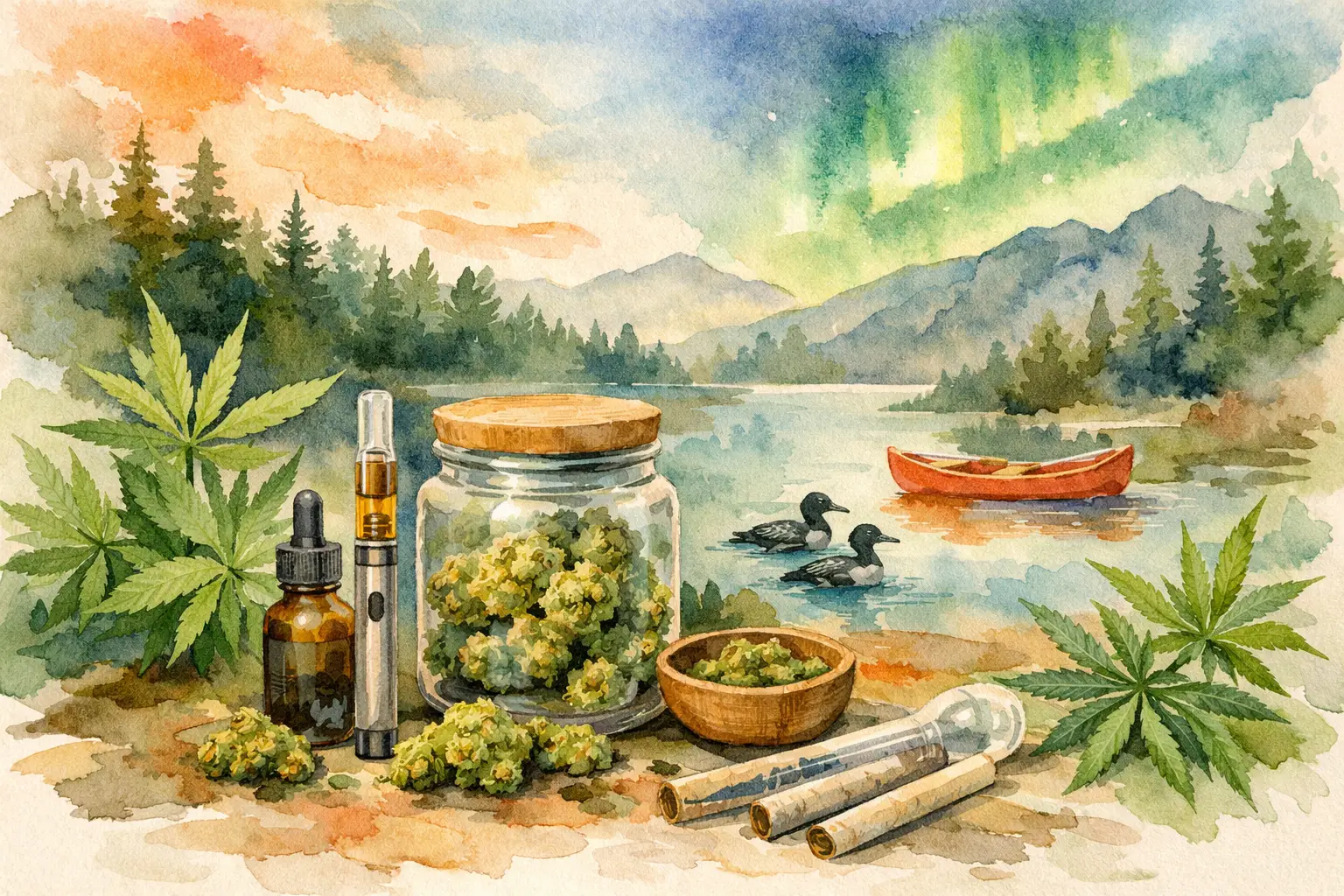
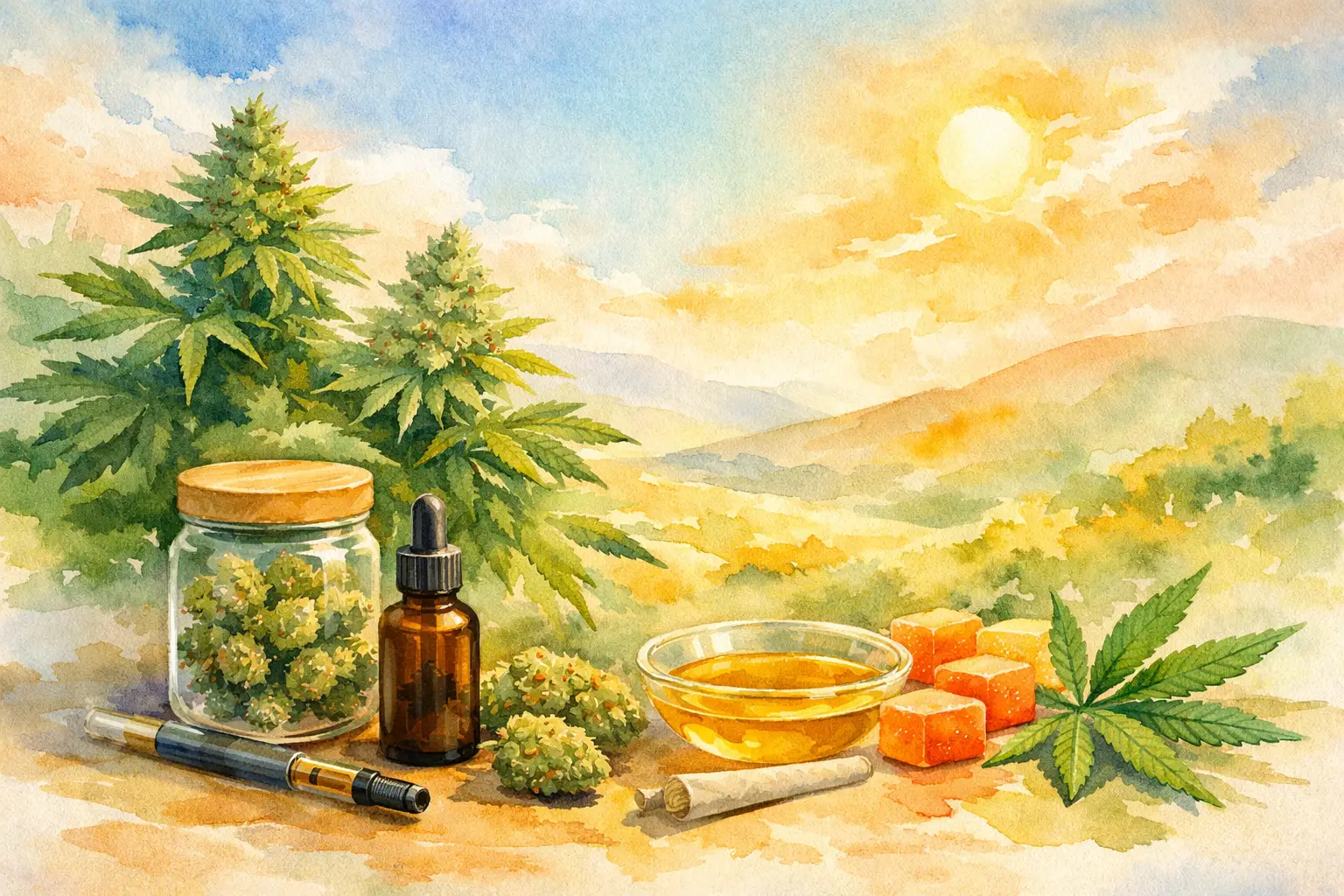
Whole flower is typically sold as dried buds in pre-packaged amounts such as 1 gram, 3.5 grams, 7 grams, 14 grams, or 28 grams. Some stores also carry milled flower, which is pre-ground cannabis. Milled options can be convenient and sometimes cost less per gram, but whole flower generally gives you more control over grinding and lets you better assess freshness after opening.
For a first purchase, a smaller package is usually the sensible choice. It limits your cost if the product is not a fit, and it helps avoid storing cannabis longer than necessary. Larger formats may offer better value per gram, but only make sense if you already know you like the product and use flower often enough to keep it fresh.
Consider your consumption method before buying. If you use a dry-herb vaporizer, you may care more about moisture, grind consistency, and flavour. If you roll joints, you may want a flower that is easy to break up and burns evenly. Combustion creates smoke and carries health risks, while inhaling any cannabis can impair you. Avoid mixing cannabis with alcohol or other substances, and never drive after using it.
Set a budget that includes quality and value
Ontario flower prices vary widely. A lower price can be a good deal, especially for routine purchases, but it may involve trade-offs in trim quality, package date, or consistency. A premium product may offer a more distinctive aroma or careful presentation, yet it is not necessarily worth the extra cost for every consumer.
Compare products by price per gram only after checking the package size and date. A budget 28-gram format may suit an experienced, regular consumer, while a fresh 3.5-gram package may be the smarter value for someone trying a new cultivar. The lowest THC percentage is not automatically weaker in practical use, and the highest percentage is not automatically the best purchase.
Ask licensed-store staff direct questions: When was this packaged? Is it whole flower or milled? What is the THC and CBD range? Is the aroma more citrus, floral, earthy, or gassy? Is there a smaller format available? Clear questions produce clearer answers than asking for the “strongest” product.
Buy legally and use with a plan
Ontario’s legal market is designed for adults 19+ buying from authorized retailers. A licensed store can provide compliant products, clear packaging, and purchase support, including information about available payment methods. Directory tools such as OntarioCanna can help consumers compare local licensed retailers before they head out.
Before using flower, make sure you have a safe setting and no need to drive or operate equipment. If you are trying a new product, start low, go slowly, and give yourself time. If cannabis causes distressing symptoms or you are concerned about interactions with a medication or health condition, stop using it and speak with a qualified health professional.
The best flower choice is often the one that leaves you confident in the basics: it came from a licensed Ontario retailer, it was packaged recently, the potency matches your experience, and the format fits how you actually plan to use it. That is a better standard than a flashy name or the biggest number on the label.