






A package marked 20% THC and an edible marked 10 mg do not offer the same experience, even though both provide useful dosage information. Learning to measure cannabis dosage starts with reading the format correctly, choosing a conservative starting point, and allowing enough time before taking more. For Ontario adults 19+, licensed cannabis retailers provide standardized labels that make this process far more predictable than unregulated products.
Why cannabis dosage is not one-size-fits-all
THC affects people differently. Frequency of use, body chemistry, food intake, sleep, mood, and the presence of CBD can all influence the result. The consumption method matters just as much: inhaled cannabis can take effect within minutes, while an edible may take two hours or longer to fully register.
That is why the goal is not to find a universal number of milligrams that works for everyone. The practical goal is to understand how much THC is in the product, begin with an amount that is appropriate for your experience level, and make only one change at a time.
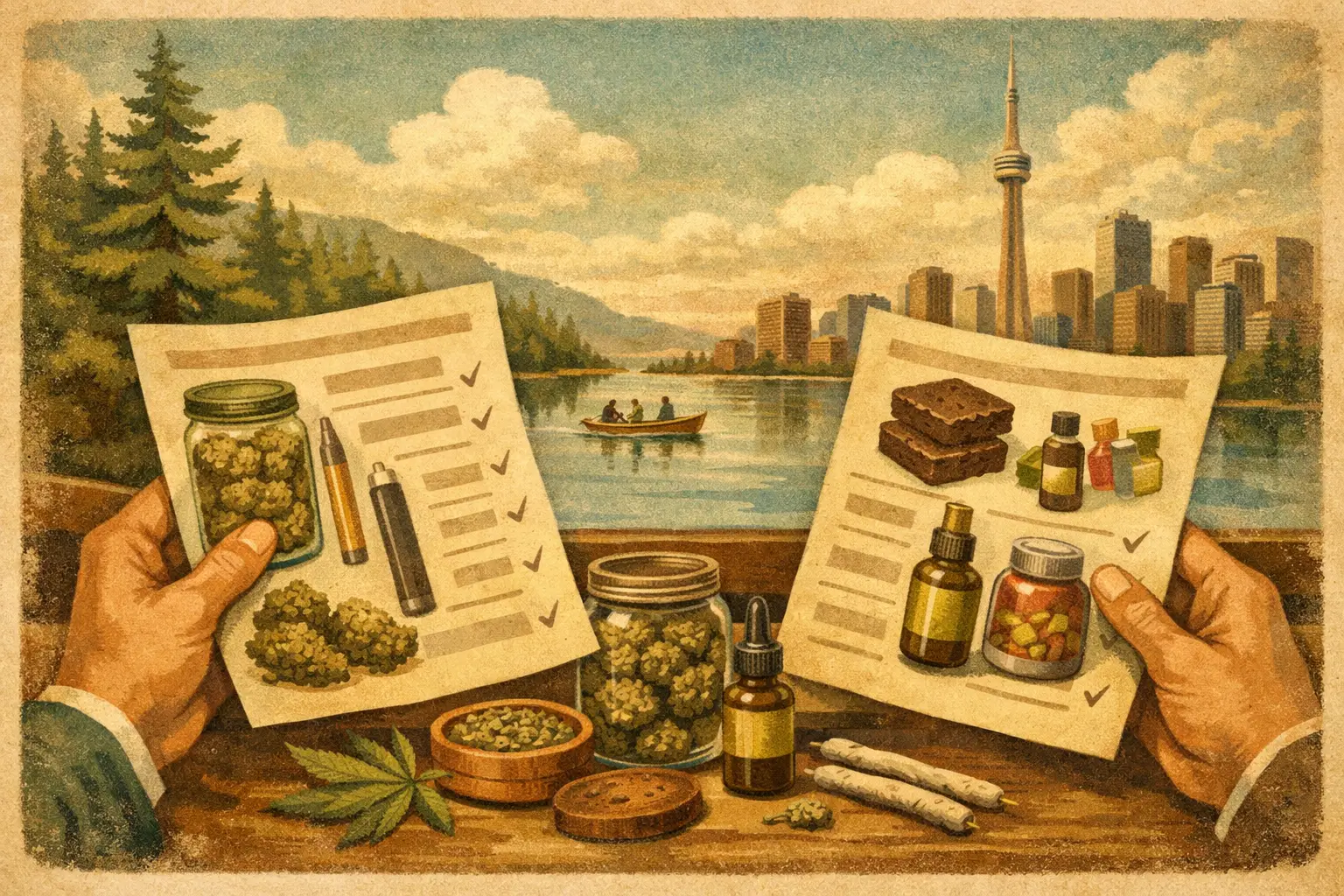
Licensed Ontario cannabis products are useful for this purpose because THC and CBD are displayed in a regulated format. Check the label before purchase and again before use. Packaging can show a range for flower and a more precise amount in milligrams for oils, capsules, beverages, and edibles.
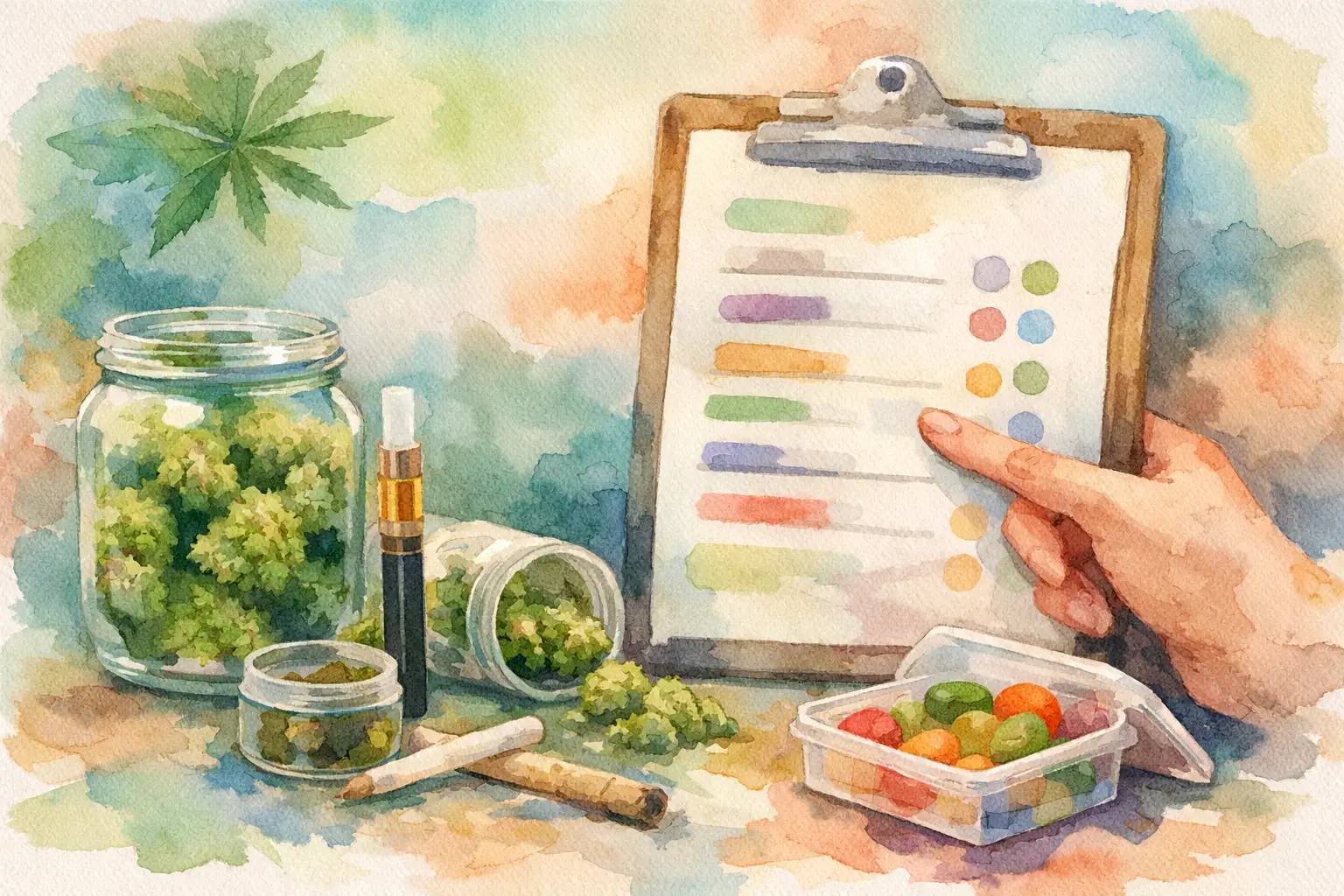
How to measure cannabis dosage from a label
Look for THC first, then CBD. THC is the primary intoxicating cannabinoid, while CBD is non-intoxicating and may change how some consumers perceive the overall effects. A product label may state THC in milligrams, as a percentage, or both.
For edible products, oils, capsules, and many beverages, milligrams are the most practical measurement. A label might state 10 mg THC in the full package, 2.5 mg THC per gummy, or 10 mg THC per millilitre of oil. Always distinguish between the amount in one serving and the amount in the entire container.
For dried flower, THC is usually shown as a percentage or range. A 20% THC flower contains roughly 200 mg of THC per gram before combustion or vaporization. This does not mean the body receives all 200 mg. Heat, device efficiency, inhalation technique, and individual absorption all affect the amount actually experienced.
The label gives you a reliable starting point, not a promise of identical results every time. Store staff at licensed dispensaries can also explain label terminology and product formats, but they cannot diagnose conditions or prescribe a medical dose.
How to measure cannabis dosage by product type
Dried flower and pre-rolls
Use the product weight and THC percentage to estimate the THC available in flower. The basic calculation is:
grams of flower × THC percentage × 1,000 = approximate milligrams of THC in the flower
For example, 0.25 g of flower at 20% THC contains approximately 50 mg of THC before it is heated. Because inhalation delivery varies so widely, this calculation is best used to compare products and plan smaller portions, not to predict a precise absorbed dose.
A consumer new to inhaled cannabis may choose one small inhalation, then wait 10 to 15 minutes before deciding whether more is needed. With a pre-roll, it is easy to consume more than intended because the total THC content can be substantial. Consider the pre-roll a multi-session product if you are unsure of your tolerance.
Edibles and beverages
Edibles are usually the easiest format for beginners to measure, but they require the most patience. In Canada, a package of edible cannabis is generally limited to 10 mg THC. That does not mean the full package is the right amount for every person.
A cautious first edible dose is often 2.5 mg THC or less, particularly for someone with little or no recent cannabis experience. If a gummy contains 10 mg, cutting it into smaller, reasonably equal pieces can help, although commercially portioned 2.5 mg products are more consistent.
Wait at least two hours before taking more, and recognize that full effects may take longer depending on the product and whether you have eaten. Taking another dose after 30 or 45 minutes is one of the most common reasons consumers have an uncomfortable experience.
Oils, capsules, and sprays
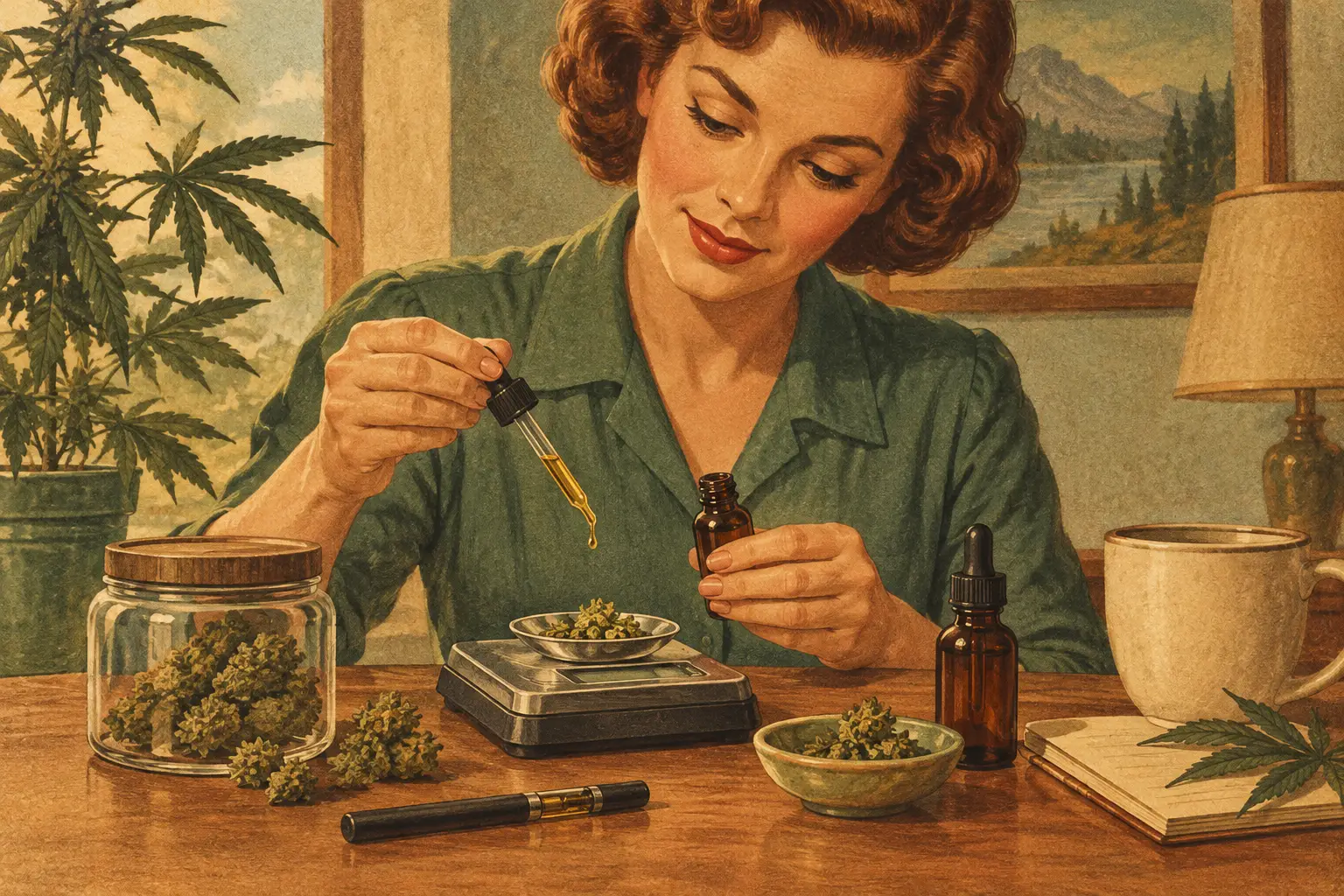
Oils and capsules are well suited to careful measurement because labels state the THC and CBD content per capsule, per millilitre, or per activation of a spray. If an oil contains 10 mg THC per mL and the included dropper measures 0.25 mL, that portion provides approximately 2.5 mg THC.
Use the supplied measuring tool rather than estimating by eye. Keep the bottle upright, read the graduated markings in good light, and record the amount used. Oils taken under the tongue may take effect sooner than oils swallowed directly, but onset and duration can still vary.
Vape cartridges and concentrates
Vape cartridges commonly display THC as a percentage and total product weight. They can be convenient, but they are not as simple to dose in milligrams per puff because device temperature, puff length, and airflow change the amount inhaled.
For a first session with a vape, use a short, gentle inhalation and wait before repeating. Avoid treating a high THC percentage as a quality score. A lower-potency cartridge may be easier to manage, especially if you are returning to cannabis after a break.
Match the waiting period to the method
Dosage decisions should be based on both amount and timing. Inhaled cannabis usually has a quicker onset and shorter duration than ingested products. Edibles and oils can build slowly and may last much longer.
If you are trying a new product, plan the session when you have no driving, work, caregiving, or other safety-sensitive responsibilities. Do not combine cannabis with alcohol or other intoxicating substances when you are learning your response. Cannabis-impaired driving is illegal in Ontario, and feeling mostly normal is not the same as being fit to drive.
A simple written note can prevent guesswork. Record the product name, THC and CBD amount, format, time used, food intake, and how you felt over the next several hours. After a few sessions, this gives you a more useful personal reference than relying on a friend's preferred dose or a product's marketing language.
Buy products with clear, regulated information
The ability to measure a cannabis dose depends on accurate packaging. Legal Ontario retailers sell products in original, labelled packaging with standardized cannabinoid information, lot details, and required warnings. That transparency helps consumers compare a 2.5 mg edible with a 10 mg capsule or choose a lower-THC flower option without relying on vague descriptions.
When comparing dispensaries, confirm that the retailer is AGCO-licensed and check that the menu identifies product format, size, and THC or CBD details where available. OntarioCanna is designed to help adult consumers find licensed local retailers and compare practical access details before shopping.
If you take prescription medications, are pregnant or breastfeeding, have a history of mental health concerns, or are unsure whether cannabis is appropriate for you, speak with a qualified health professional before use. Seek urgent help if someone experiences severe confusion, chest pain, loss of consciousness, or symptoms that feel unsafe.
A careful first amount is never wasted. Choose a product with a label you can understand, give it the time it needs, and let your own recorded experience guide the next decision.