





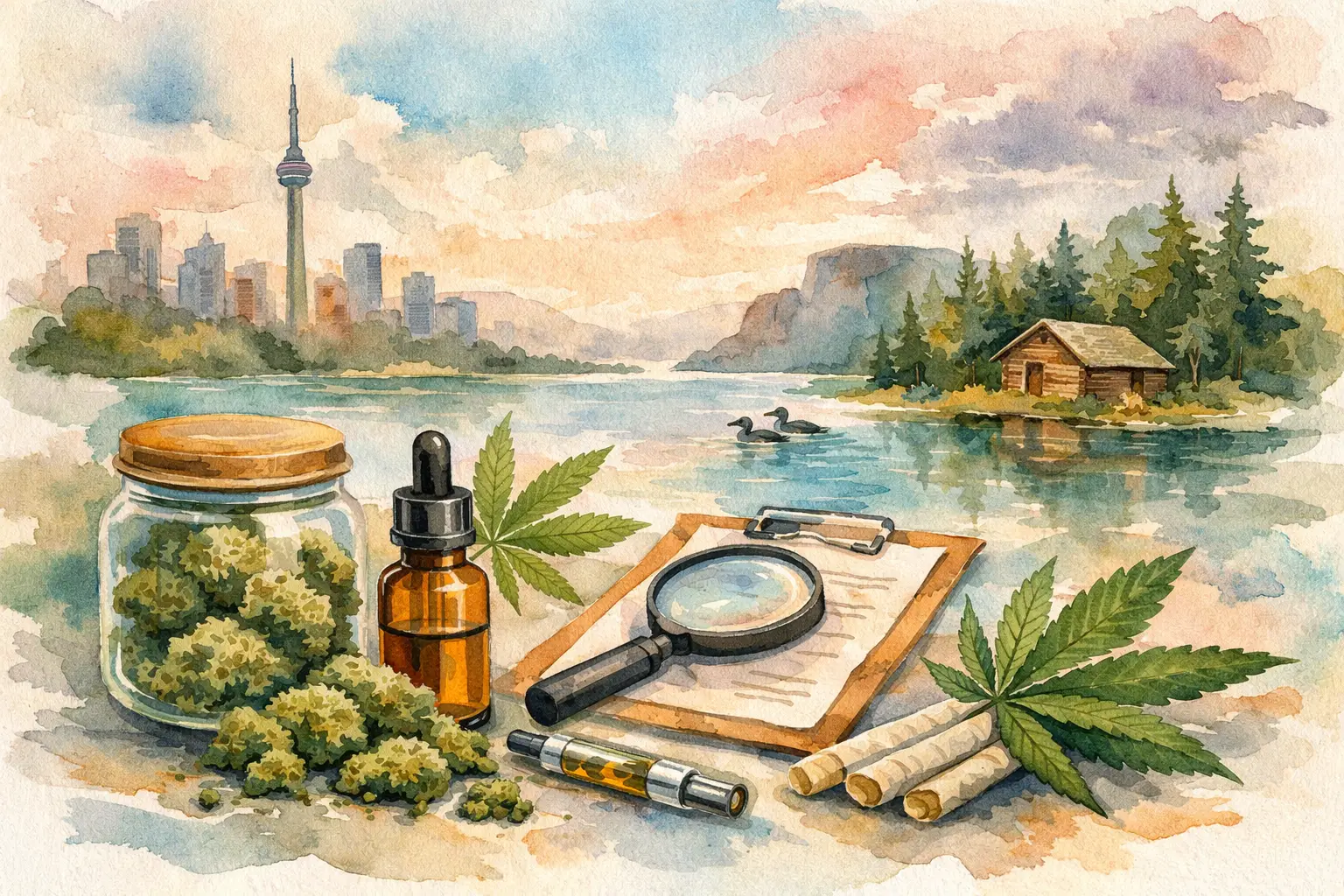
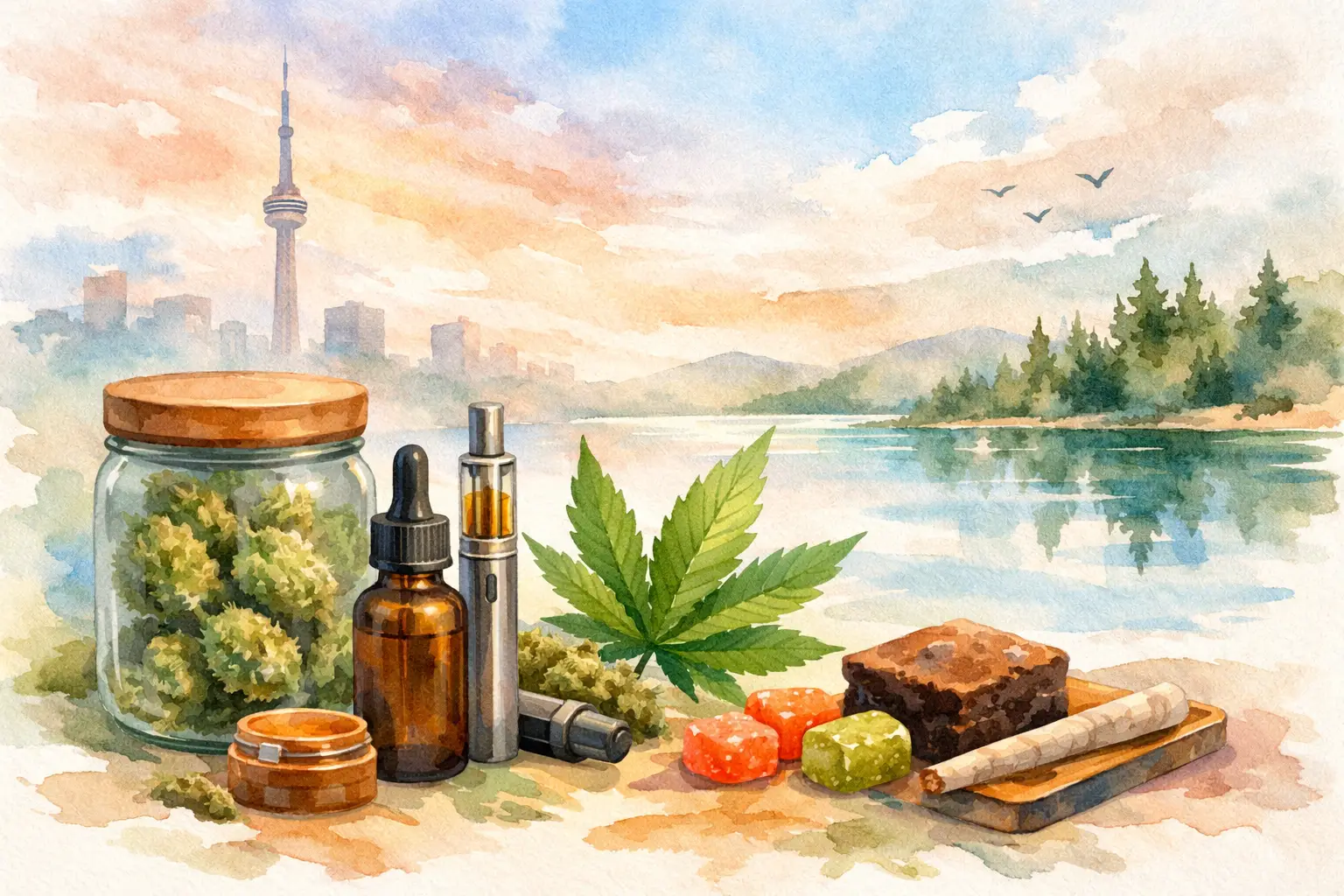
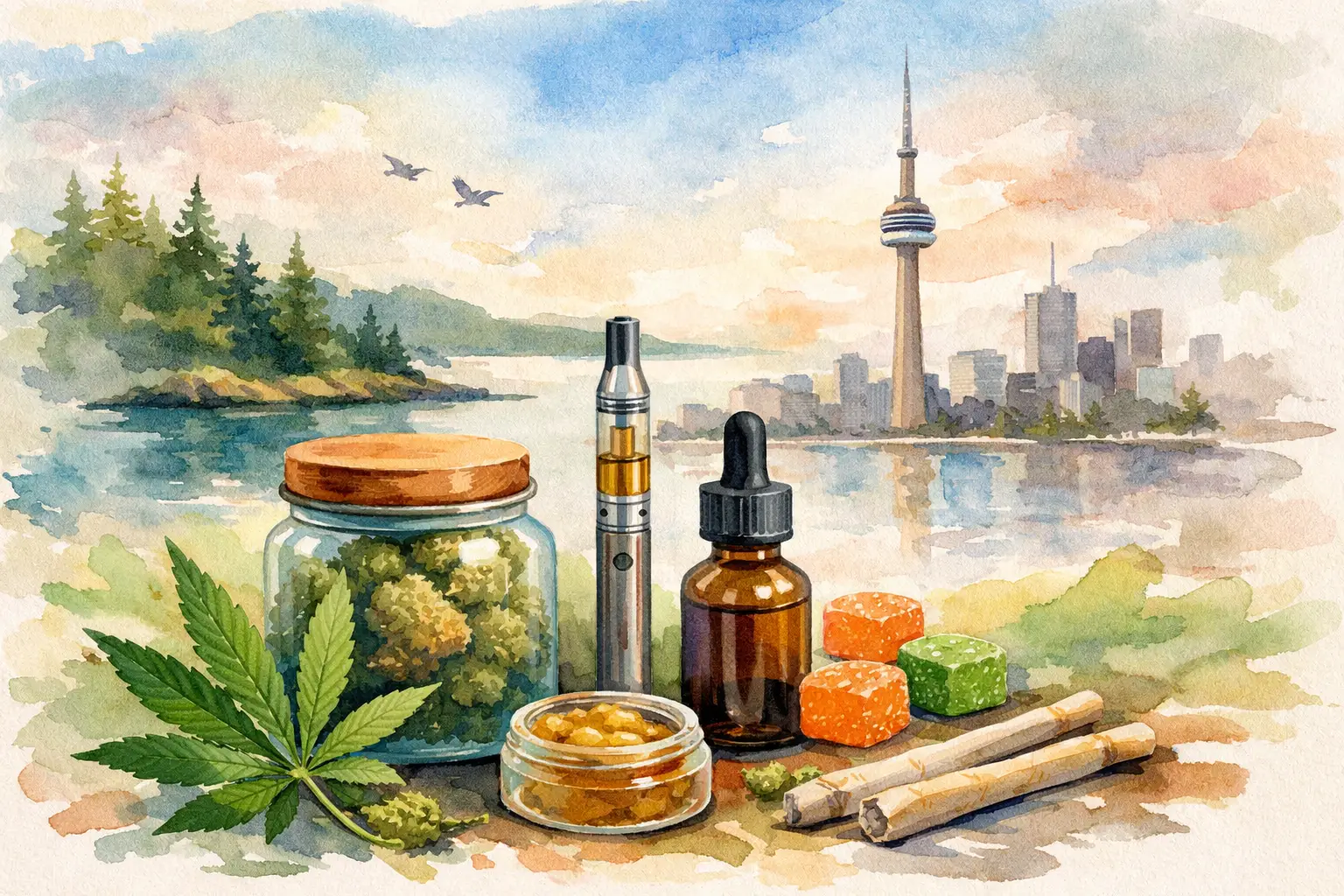






A checkout total can be misleading when your basket includes flower, pre-rolls, drinks, edibles and concentrates. In Ontario, cannabis purchase limits are based on a legal dried-cannabis equivalency, not simply on the number of packages in your cart. Understanding that calculation helps you shop at licensed retailers without a declined order, an unexpected adjustment at checkout, or confusion about what you can legally carry home.
For non-medical cannabis, the key number is 30 grams of dried cannabis, or its equivalent, per transaction. The same 30-gram equivalent also applies to the amount of legal cannabis an adult may possess in public. These are related rules, but they matter at different points: one controls what a licensed store can sell in one purchase, and the other controls what you can take with you in public.
The Ontario cannabis purchase limit at a glance
Ontario follows the federal framework for non-medical cannabis. You must be 19 or older to buy, possess or use recreational cannabis in the province. A licensed retailer can sell up to 30 grams of dried cannabis or an equivalent amount of another legal cannabis format in a single transaction.
For plain dried flower, the calculation is straightforward. A 3.5 g bag counts as 3.5 g, and four 7 g bags count as 28 g. Pre-rolls are also generally counted by the dried cannabis weight stated on the label. Packaging, filters and tubes do not add to that amount.
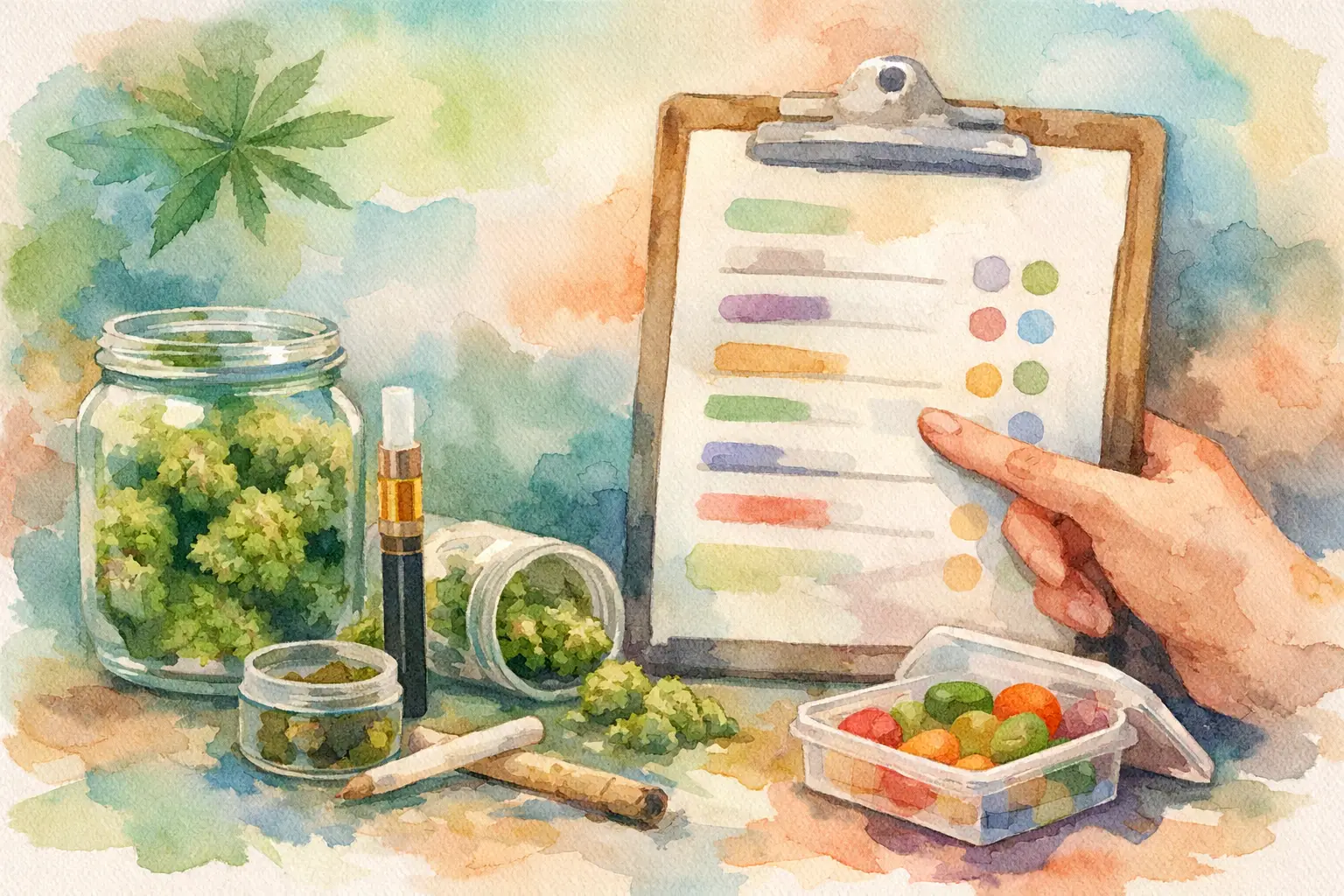
The calculation changes when products are not dried flower. Federal equivalency rules convert every format into a dried-cannabis amount so that one limit can apply across a mixed basket. The store's point-of-sale system should calculate this automatically, but knowing the rules makes it easier to plan an order.
How cannabis equivalency works
The standard equivalencies used for legal recreational cannabis are:
- 1 g of dried cannabis equals 5 g of fresh cannabis.
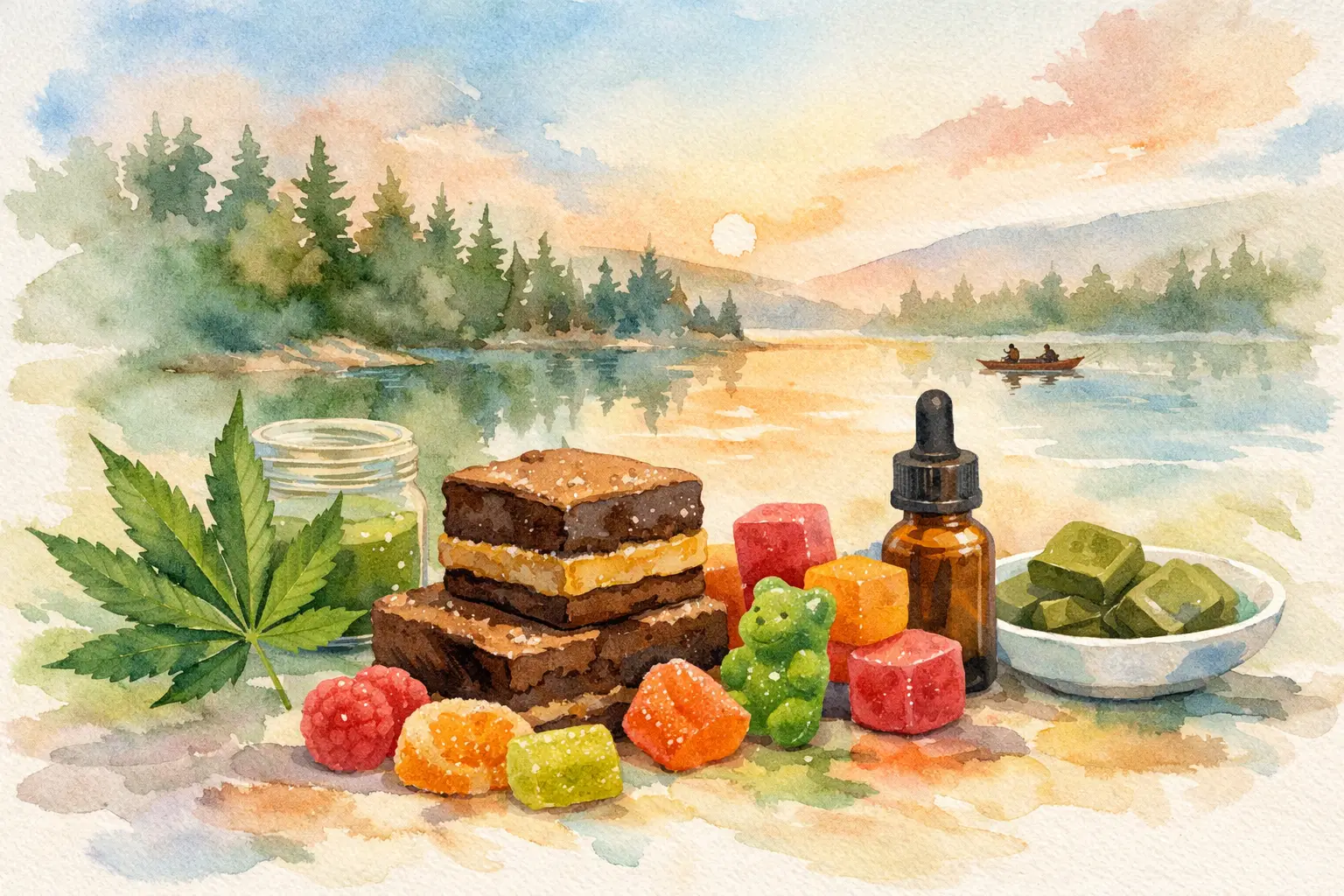
- 1 g of dried cannabis equals 15 g of edible cannabis product.
- 1 g of dried cannabis equals 70 g of liquid cannabis product.
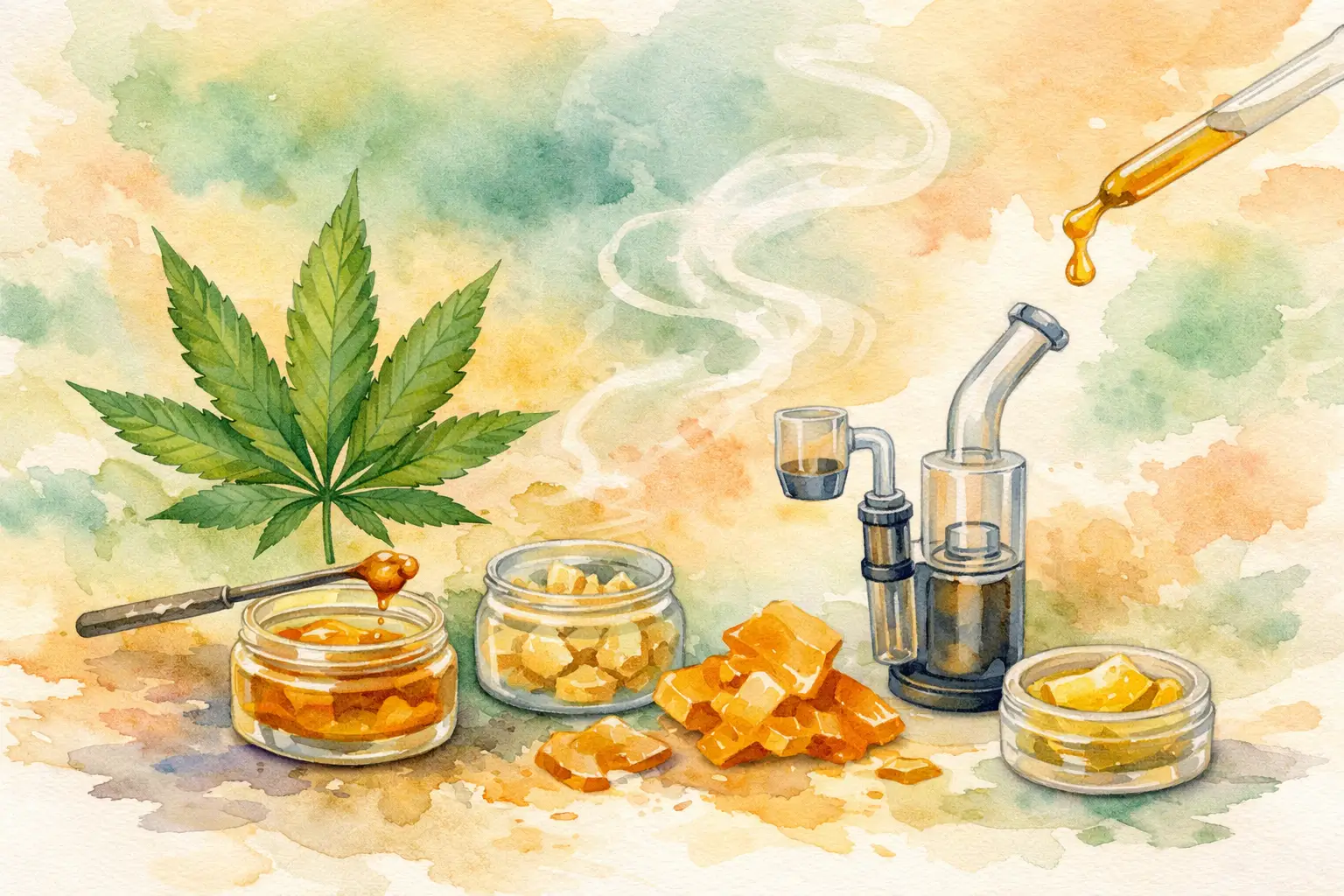
- 1 g of dried cannabis equals 0.25 g of cannabis concentrate.
- 1 g of dried cannabis equals one cannabis seed.
These figures are about product weight, not THC potency. A higher-THC vape cartridge does not use more of your 30 g equivalent simply because it is more potent. It is converted based on its concentrate weight. Similarly, edible equivalency is based on the weight of the edible product, not the milligrams of THC displayed on the package.
That distinction is often where shoppers get caught off guard. Canadian regulations also limit THC in individual product formats and packages. For example, edible cannabis packages have a maximum of 10 mg of THC per package. Those product-specific THC rules are separate from the 30 g transaction limit.
A mixed-basket example
Suppose you buy 15 g of dried flower. You have used 15 g of your 30 g equivalent and have 15 g remaining.
If you also add 1.25 g of concentrate, that concentrate converts to 5 g of dried cannabis equivalent, because 0.25 g of concentrate equals 1 g of dried cannabis. Your running total is now 20 g equivalent. You can still add products worth up to another 10 g equivalent, subject to what the store has in stock and the product information on each label.
Beverages and edibles can make the math less intuitive. Their equivalent amount can depend on the total product weight, including the liquid or food base. A licensed retailer's checkout system is the practical source of truth for the cart total. If a product is close to the legal threshold, staff may ask you to remove an item before completing the sale.
What the 30 g limit does and does not mean
The 30 g rule does not mean you are limited to one package, one product category or one visit to a store. It means that a single retail transaction cannot exceed 30 g of dried cannabis or its legal equivalent. You may combine different legal products as long as the final equivalency stays within the limit.
It also does not create a personal daily consumption recommendation. The legal sales cap is not advice on how much cannabis to consume. Product potency, your experience level, the route of consumption and whether you need to drive or work later are separate safety considerations.
The public-possession rule matters after purchase. An adult may carry up to 30 g of dried cannabis or its equivalent in public. If you are travelling from a store, bringing products to a friend within the law, or carrying cannabis in a vehicle, keep the public possession limit in mind. Do not consume cannabis in a vehicle, and never drive while impaired.
Private possession is different from public possession. The federal 30 g public limit does not operate as a simple household storage cap in the same way. Still, legal cannabis should remain in its original packaging when practical, kept away from children and pets, and obtained from Ontario's legal supply chain.
Delivery and online orders follow the same limit
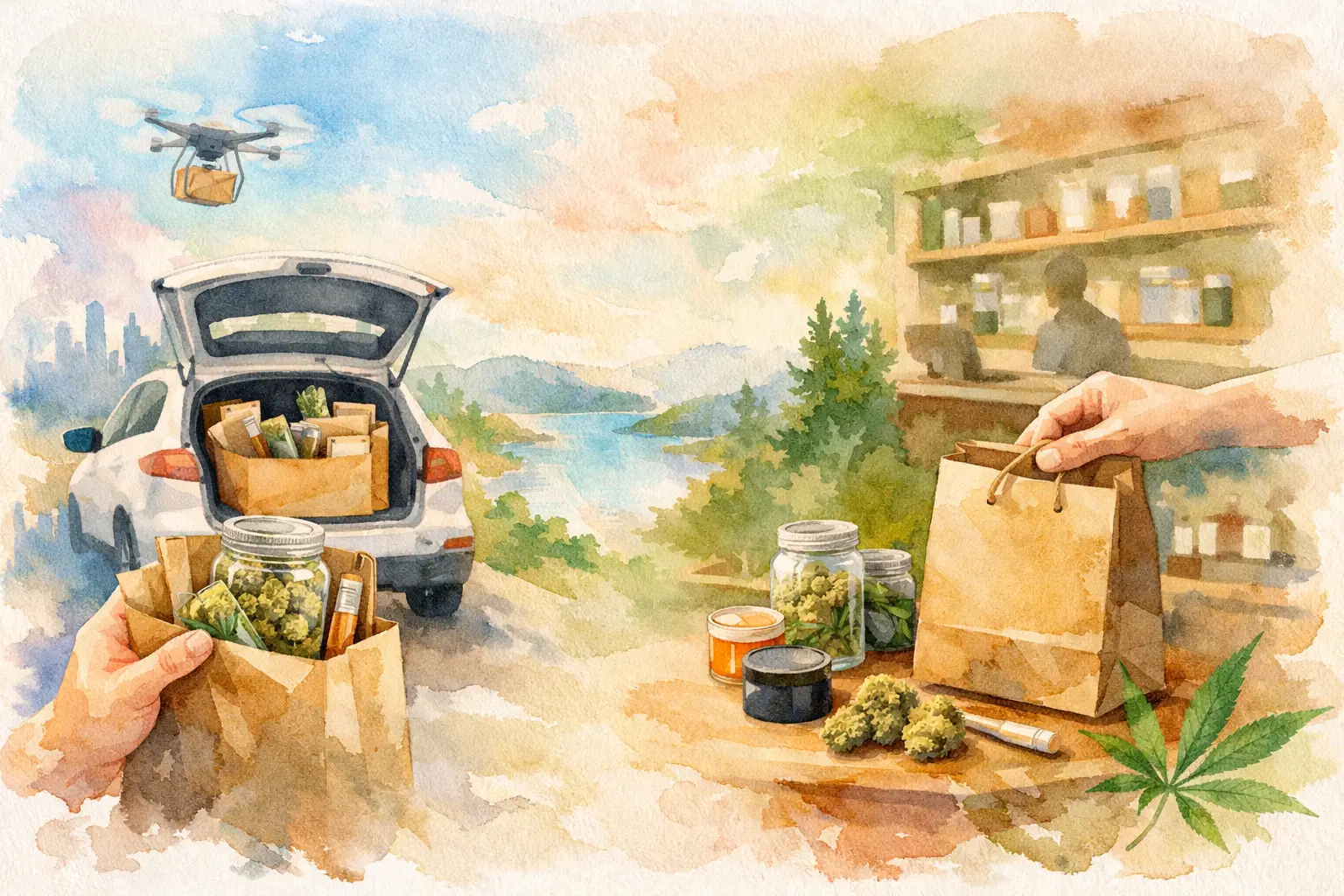
Ordering online from a licensed Ontario retailer does not increase the amount you can buy. Whether you shop in person, reserve items for pickup or arrange legal delivery, the retailer must apply the same 30 g dried-cannabis equivalent limit to the transaction.
Delivery also does not bypass Ontario's age requirement. The recipient must be 19 or older, and the retailer or delivery service may require valid government-issued identification at handoff. A driver cannot leave cannabis unattended at a doorstep or hand it to someone who cannot prove their age.
If you are building a larger order for a household, do not assume that separate names, multiple carts or consecutive checkouts make an over-limit public carry lawful. Licensed operators have compliance obligations, and a shopper still needs to remain within the public possession rules when transporting cannabis. Plan purchases around what each adult can legally receive and carry.
Why licensed retailers matter for purchase limits
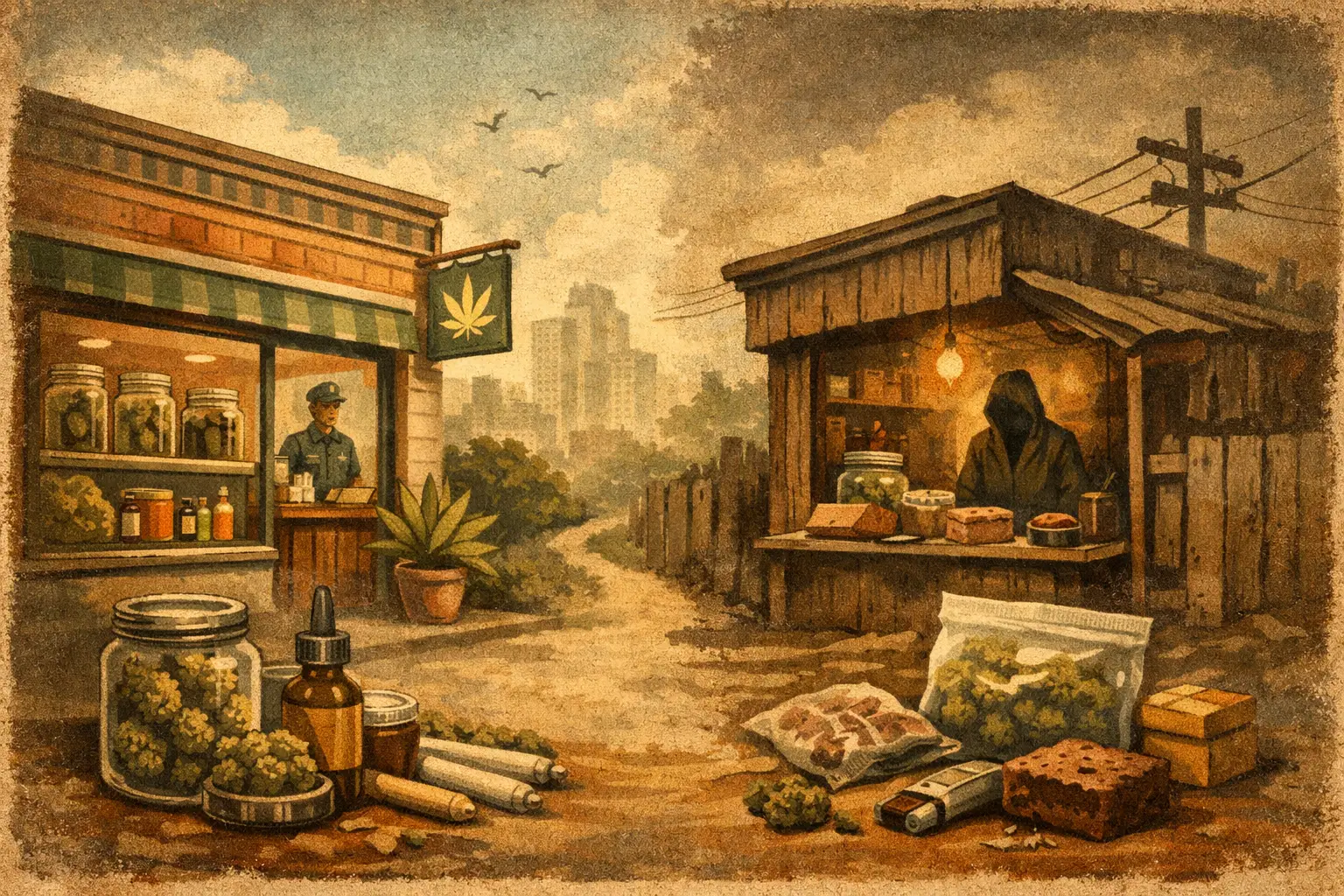
Only AGCO-licensed cannabis retailers in Ontario can legally sell recreational cannabis to the public. These stores receive products through the regulated Ontario supply chain and use systems designed to apply legal limits, verify age and provide required product information.
That structure is useful beyond compliance. A licensed store can tell you whether a listed quantity refers to dried flower, net concentrate weight, beverage volume or another format. Staff can also explain why a mixed cart has reached its equivalent limit. Unlicensed sellers may not follow the same rules, cannot offer the same assurance on source and testing, and can expose buyers to legal and product-quality risks.
When comparing local stores, look beyond the headline price. Confirm store hours, pickup or delivery availability, payment methods and whether the menu shows clear package weights. These details make it easier to complete a legal purchase without needing to revise your order at the counter.
Common questions about cannabis purchase limits
Can I buy 30 g of flower and 30 g of edibles?
No. The limit is a combined dried-cannabis equivalent across the entire transaction. Flower and edibles must be added together using the legal equivalency rules. A retailer cannot sell both full amounts if the combined total exceeds 30 g equivalent.
Are vape cartridges included in the limit?
Yes. Vape cartridges are cannabis extracts or concentrates, so their net cannabis concentrate weight contributes to the 30 g equivalent. Four 1 g cartridges, for example, equal 16 g of dried cannabis equivalent under the 0.25 g-to-1 g conversion.
Does the limit apply to CBD products?
If the item is legal cannabis, it can count toward the transaction limit even when it is CBD-dominant or contains little THC. Check the product category and label rather than assuming a low-THC product is exempt.
Before placing your next order, check the product weights, keep an eye on mixed-format equivalencies and have valid ID ready. A licensed Ontario retailer can handle the calculation, while a little planning lets you choose products based on what you actually want to bring home.