






















A legal cannabis purchase in Ontario is not just about choosing a product. Cannabis regulations determine who can buy, where products can be used, how much can be carried, and which retailers are allowed to sell them. For adults 19 and over, the rules are straightforward once you separate federal law from Ontario-specific retail requirements.
The practical starting point is simple: buy from an authorized source, carry only what is permitted, and do not consume where smoking or vaping is restricted. That protects the buyer, supports licensed Ontario businesses, and avoids the uncertainty that comes with unregulated products.
Cannabis Regulations Start With Age and Legal Sources
In Ontario, you must be 19 years or older to buy, possess, consume, or grow recreational cannabis. Licensed stores may ask for identification, and staff are required to verify age for customers who appear to be under 25. A valid government-issued photo ID is the most reliable option to bring when visiting a dispensary.
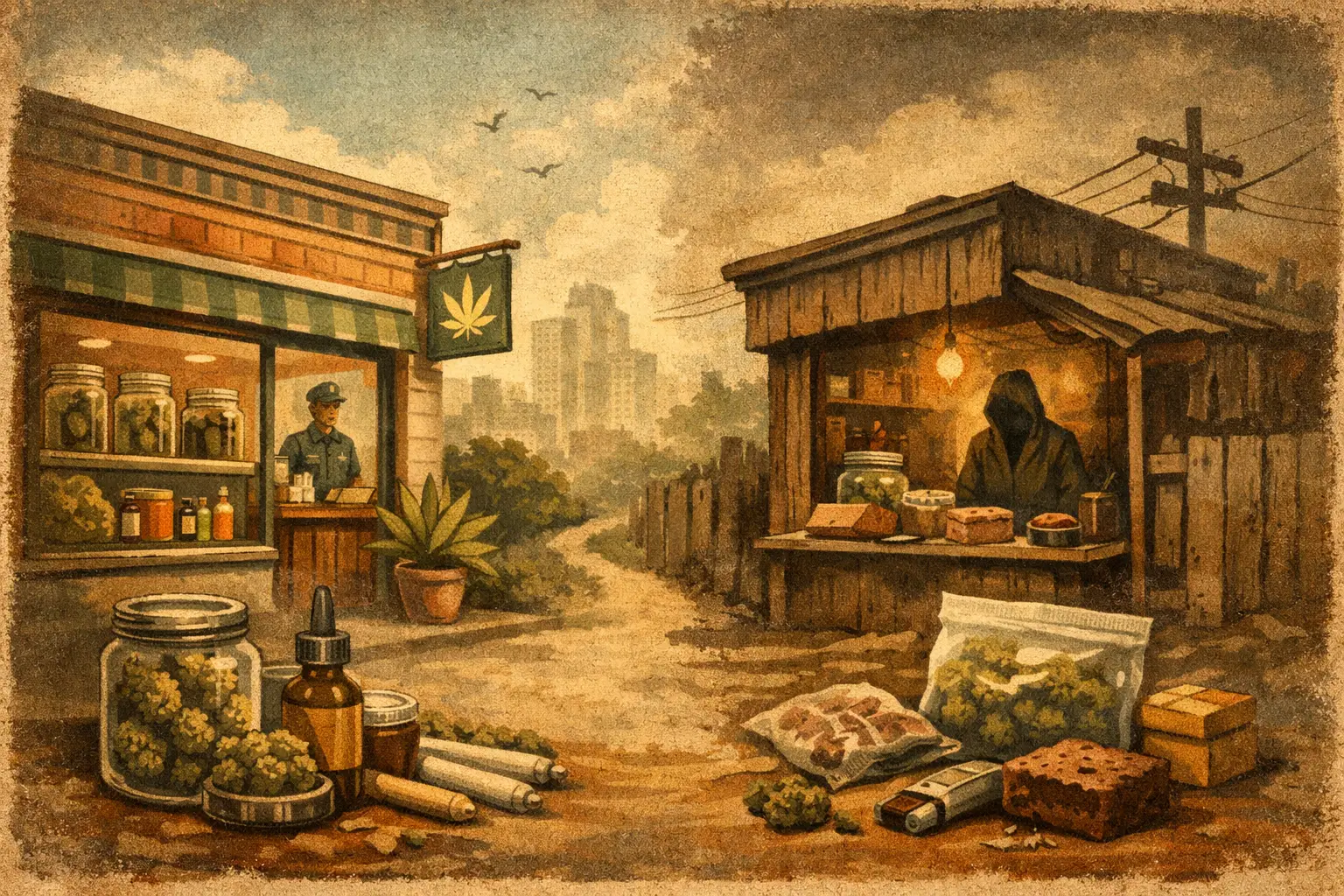
Legal recreational cannabis is sold through the Ontario Cannabis Store online and through private retailers licensed by the Alcohol and Gaming Commission of Ontario (AGCO). An AGCO licence is not a minor detail. It means the store is operating within Ontario's regulated supply chain and must follow rules on age verification, product handling, advertising, security, and recordkeeping.
A store may look professional, offer delivery, or advertise familiar products without being licensed. That does not make it a legal retailer. Before purchasing, confirm that a dispensary is listed as licensed and that its address, hours, and ordering options match the business you plan to visit. Directory tools such as OntarioCanna are useful because they focus on identifying licensed retail options by city and neighbourhood.
What You Can Carry and Keep at Home
Adults may possess up to 30 grams of dried cannabis or its equivalent in public. The equivalency rules matter because cannabis comes in more than dried flower. For example, one gram of dried cannabis is generally equivalent to 5 grams of fresh cannabis, 15 grams of edible product, 70 grams of liquid product, 0.25 grams of concentrates, or one cannabis seed.
This is a possession limit, not a suggested purchase size. A consumer can legally have cannabis at home, but carrying more than the public limit can create legal problems, even if the products were bought legally.
Ontario adults can also grow up to four cannabis plants per residence, not four plants per person. The plants must come from legally obtained seeds or seedlings. Renters, condominium residents, and people living in co-operative housing should also check their lease, building rules, and insurance conditions. A residence may impose restrictions that are separate from the Cannabis Act, especially around smoke, odour, and potential property damage.
Keep cannabis away from children and pets. Edibles, beverages, and vape products can be easy to mistake for regular consumer goods when left unsecured. Legal packaging includes standardized warnings for a reason, but safe storage at home remains the consumer's responsibility.
Where Cannabis Use Is Allowed in Ontario
Buying cannabis legally does not mean it can be used anywhere. Ontario generally treats smoking or vaping cannabis much like tobacco under its Smoke-Free Ontario rules. Smoking and vaping are prohibited in enclosed workplaces, enclosed public places, school grounds, many outdoor public areas, and inside vehicles.
Private residences are often where consumption is permitted, but the answer depends on the property. Landlords and condominium corporations may restrict smoking and vaping, including cannabis. Hotels, short-term rentals, patios, parks, and public events can each have their own policies or local bylaws. If a location has a no-smoking rule, assume vaping cannabis is restricted too unless the policy clearly says otherwise.
Edibles and oils do not create smoke, but that does not automatically make them acceptable in every setting. Employers, event organizers, landlords, and transportation providers can set rules about impairment and cannabis use on their property. The safest approach is to consume only in a private place where it is clearly permitted and where you can remain for the duration of the effects.
Driving Rules Are Not Flexible
Cannabis-impaired driving is illegal in Ontario. This applies to cars, trucks, motorcycles, boats, snowmobiles, bicycles used on roadways, and other vehicles. A legal purchase, a medical authorization, or prior cannabis experience does not create an exception.
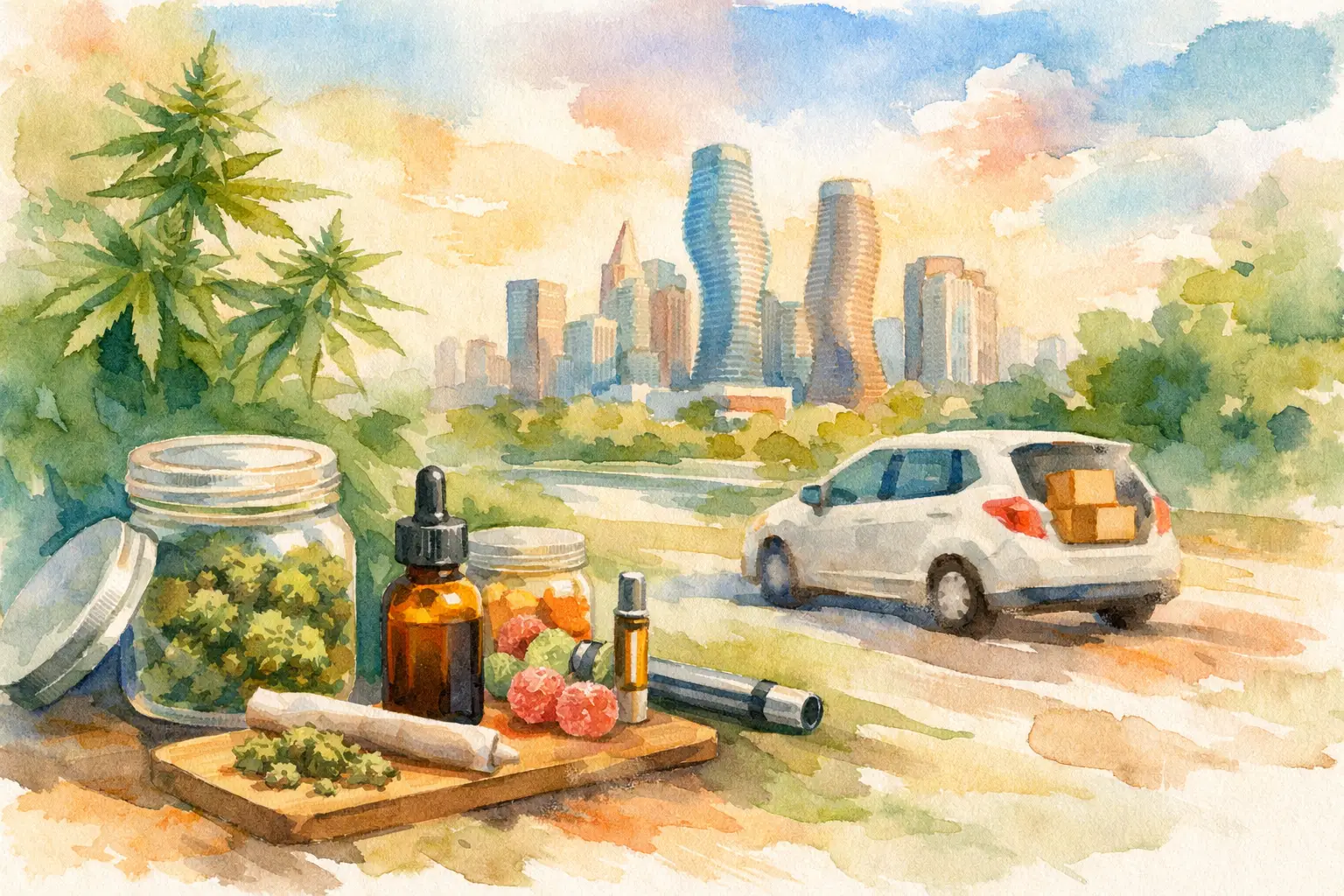
Do not drive after using cannabis, and do not get into a vehicle with cannabis that has been opened or is readily accessible to the driver or passengers. Transport products in sealed packaging and place them in a closed area such as the trunk where possible. If you are travelling with others, choose a designated driver, public transit, or a ride service before consuming.
The exact length of impairment varies by product, dose, method of consumption, individual tolerance, sleep, food intake, and whether alcohol or other substances are involved. Edibles can take longer to take effect and can last much longer than inhaled products. Waiting until you feel "normal" may not be enough to ensure you are fit to drive. When there is any doubt, do not drive.
Product Rules Help Consumers Compare Purchases
Legal cannabis products must meet federal packaging and labelling requirements. This gives buyers information that unregulated sellers often cannot verify, including THC and CBD content, lot details, warning messages, and the licensed producer responsible for the product.
For recreational products, federal limits also apply to certain formats. Edible cannabis is limited to 10 milligrams of THC per package. Cannabis extracts, including many vape cartridges and oils, have their own maximum THC limits per package. These rules can make legal products feel more controlled than informal-market products, but they also help consumers understand dose and avoid unexpectedly strong purchases.
Start low with any new product, particularly edibles, concentrates, and high-THC vapes. Product labels can guide a purchase, but they cannot predict an individual's response. If you use cannabis for a health concern, speak with a qualified healthcare professional rather than relying on retail information alone.
Online Orders, Delivery, and Payment Options
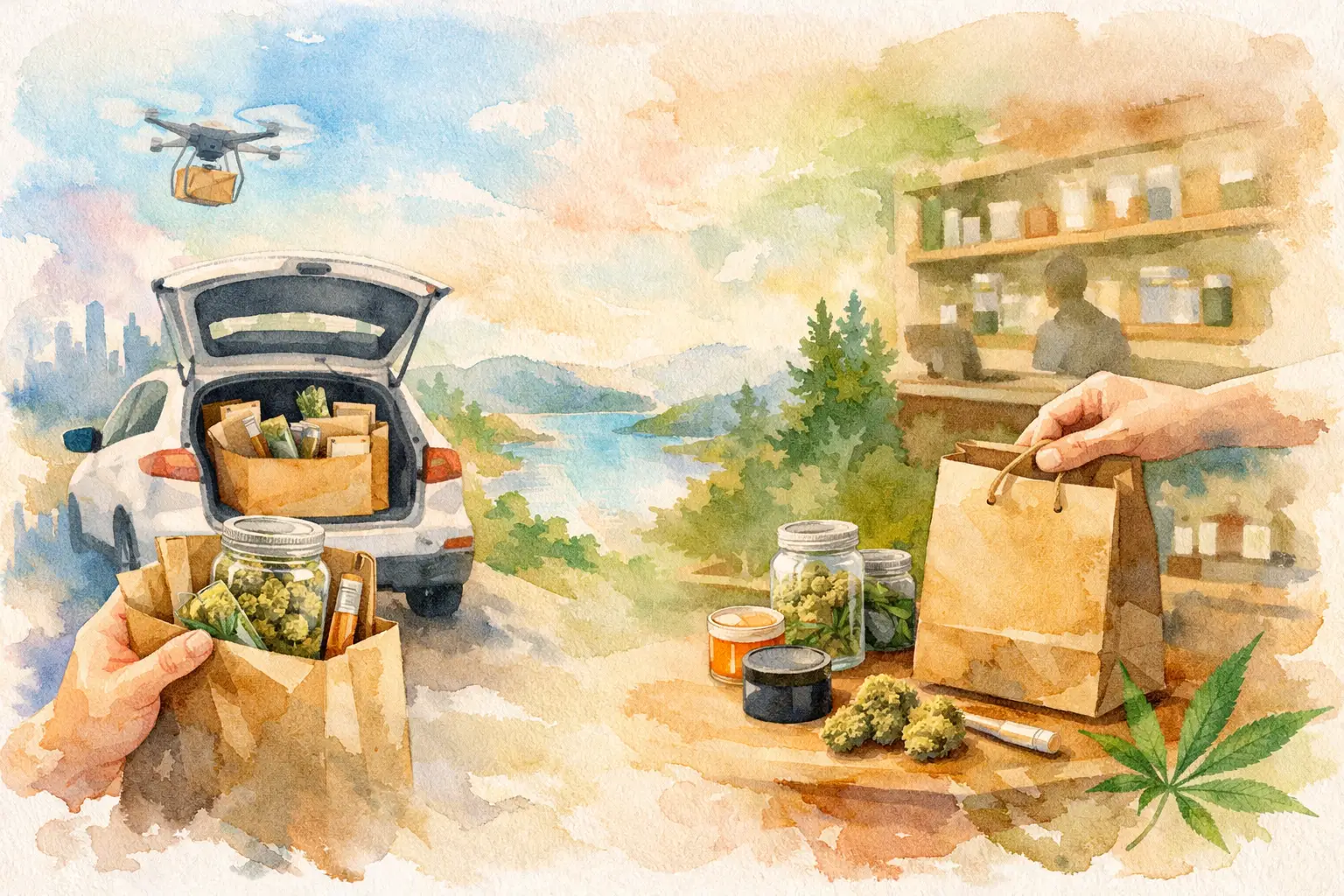
Ontario consumers can order recreational cannabis online from authorized sources. Licensed retailers may offer online ordering, pickup, curbside service, or delivery where their licence and operating procedures permit it. The process still includes age verification, and an adult of legal age must receive the order.
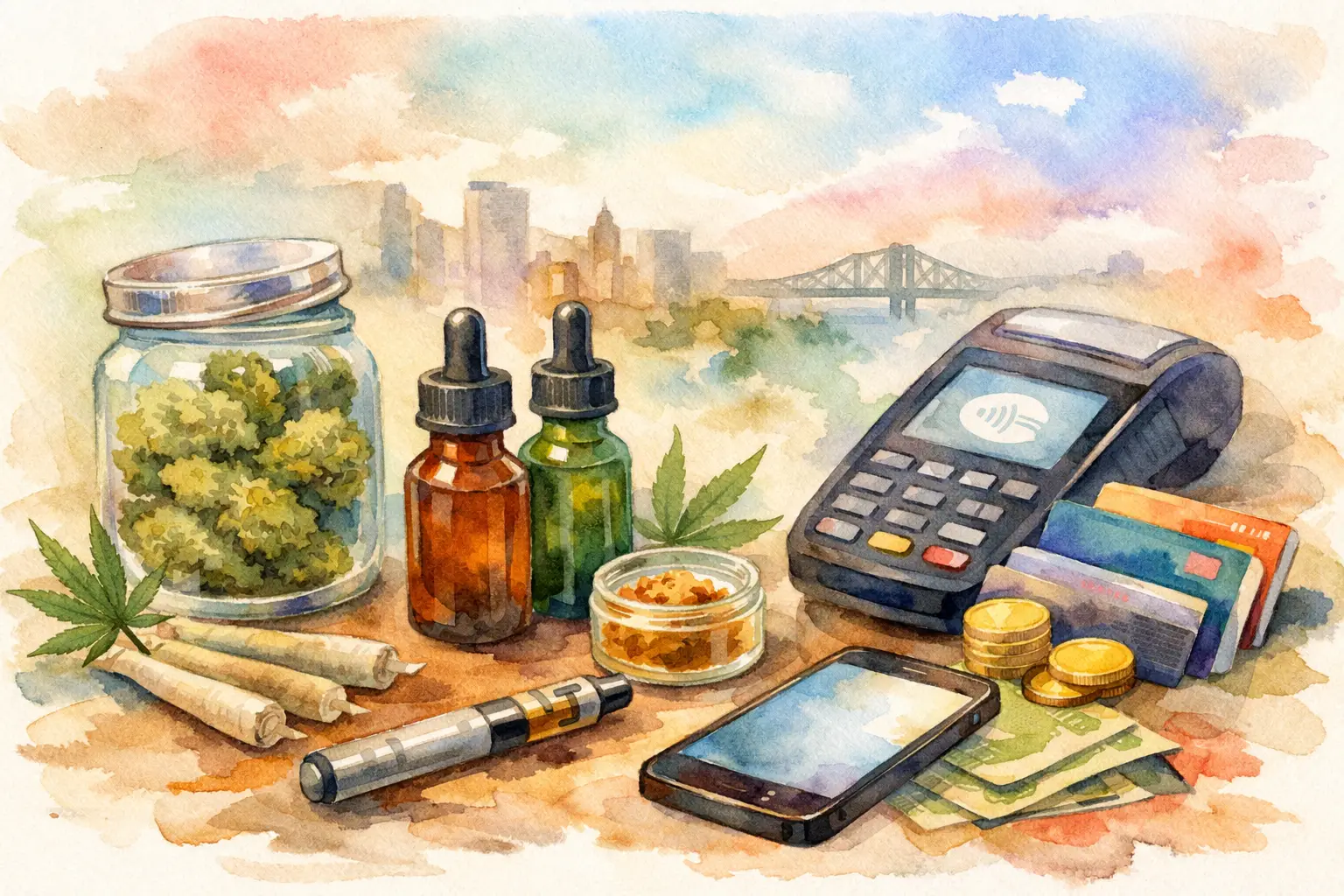
Payment methods differ by retailer. Debit, cash, and Interac e-Transfer are common options, while some stores may also accept cryptocurrency or other alternatives. Payment flexibility is a convenience feature, not proof that a store is licensed. Confirm the retailer's licence first, then review its current payment, delivery, minimum-order, and identification requirements before checking out.
Do not send an e-Transfer to an individual or an unfamiliar account based only on a social media listing. A legitimate retailer should provide clear business details, consistent ordering instructions, and a verifiable physical location or licensed online presence. If the transaction feels rushed, anonymous, or unusually informal, choose a verified store instead.
Travel and Cross-Border Limits
Cannabis may be legal in Canada, but it remains illegal to take cannabis across Canada's international border in either direction. That includes dried flower, edibles, vape cartridges, oils, seeds, and products containing cannabis. The rule applies whether cannabis is intended for personal use, was purchased legally, or is permitted in the destination jurisdiction.
Within Canada, provincial rules can vary. If you are travelling outside Ontario, check the possession age, consumption rules, and retail requirements in the province or territory you are visiting. For air travel within Canada, airline and airport rules may also affect how cannabis can be packed and transported.
A Better Way to Shop Legally
The most useful cannabis rule is also the easiest to follow: make legality part of the purchase decision before comparing strains, prices, or payment methods. Choose an AGCO-licensed Ontario retailer, bring valid ID, check product labels, and plan consumption around your transportation and location.
Regulations can change, and local property rules often add another layer. When a question affects where you can consume, how you can receive an order, or whether a store is legitimate, take a moment to confirm the current rule. That small check makes legal cannabis shopping safer, clearer, and far more convenient.