































A dispensary that is close to home is not automatically the best option for your purchase. Ontario retailer examples are useful because they show how licensed cannabis stores can differ in location, product range, payment methods, pickup options and day-to-day convenience. For adults 19+, the practical goal is simple: find an AGCO-licensed retailer that can serve your needs legally and clearly.
Ontario's legal cannabis market includes stores in major downtown cores, suburban shopping plazas, small-town main streets and communities with limited local access. A good comparison starts with more than a store name. It starts with the information that affects whether you can complete your purchase without unnecessary surprises.
What Legal Ontario Retailer Examples Should Show
A useful retailer listing should make it easy to confirm the basics before you leave home. The retailer should be licensed by the Alcohol and Gaming Commission of Ontario (AGCO), operate from a physical Ontario location and sell cannabis through the regulated provincial supply system. Legal retailers follow Ontario's rules around age verification, product handling and store operations.
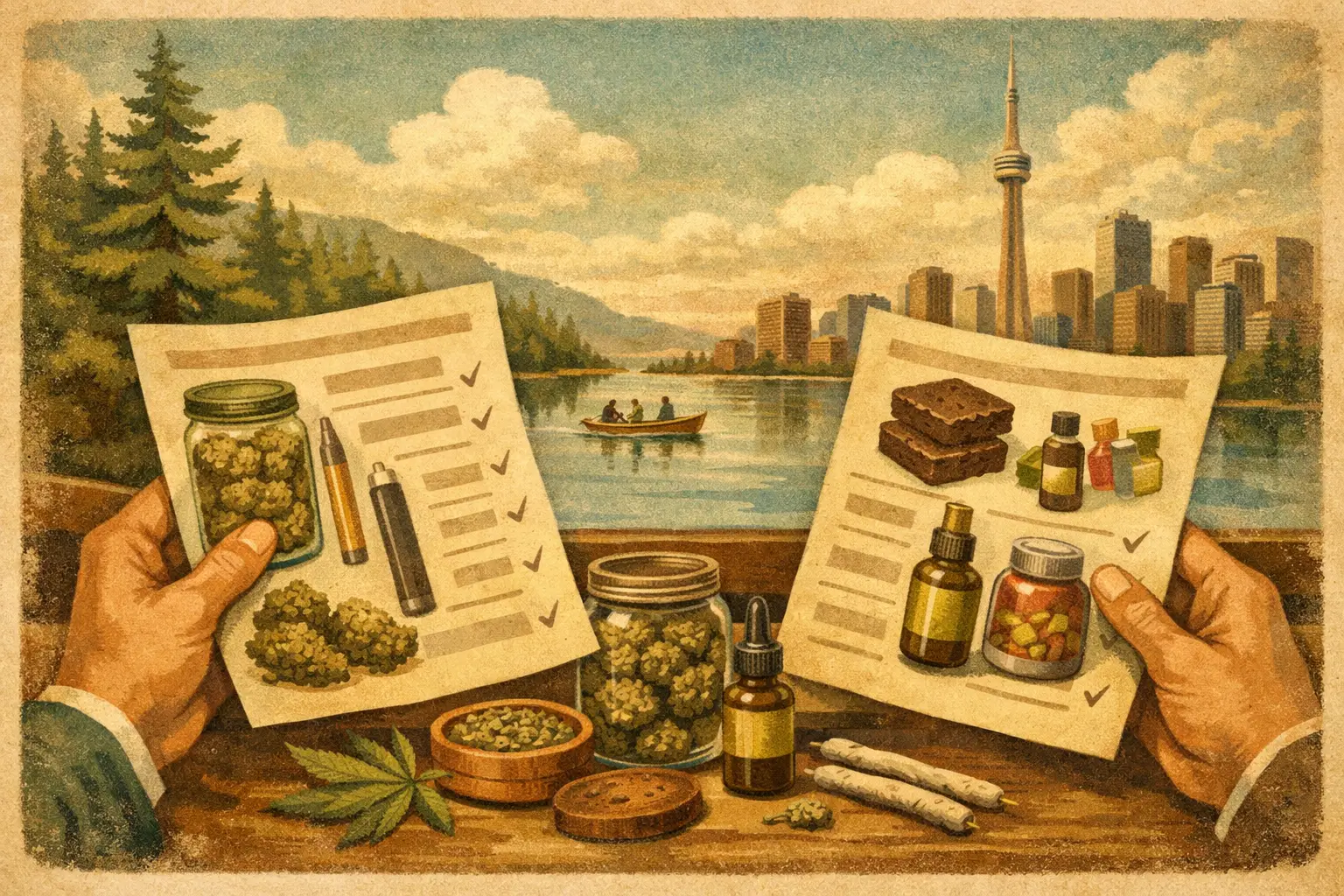
For shoppers, a complete example includes the store address, hours, available ordering options and accepted payment methods. Product menus can also matter, especially when you are looking for a particular format such as dried flower, pre-rolls, vapes, edibles, beverages, concentrates, topicals or seeds.
Availability changes quickly. A store may carry a broad menu on Monday and be sold out of a specific product by Friday afternoon. Treat an online menu as a helpful current snapshot, not a guarantee, and check the retailer's listed ordering process before travelling.
Example: A Downtown Toronto Cannabis Store
A licensed retailer in downtown Toronto may be convenient for shoppers walking from work, using transit or looking for same-day pickup. These locations often compete on proximity, extended operating hours and a broad selection of fast-moving categories such as pre-rolls, vape cartridges and edibles.
The trade-off is that downtown access does not always mean easy parking or the lowest prices. A shopper who needs a specific ounce format, a particular cultivar or vehicle access may prefer a store outside the core. Check whether the retailer offers online reservation, pickup instructions and the payment type you plan to use.
Example: A Suburban Mississauga or Brampton Store
In suburban markets, a licensed cannabis store may be located in a plaza alongside grocery, pharmacy or other everyday services. These retailers can be practical for drivers because parking is often easier and pickup can fit into a regular errand route.
Store selection varies. One location may focus on value-priced flower and multipacks, while another may keep a larger range of premium products, concentrates or beverages. Neither approach is automatically better. It depends on what you plan to buy and whether price, choice or speed is your priority.
Example: An Ottawa Neighbourhood Retailer
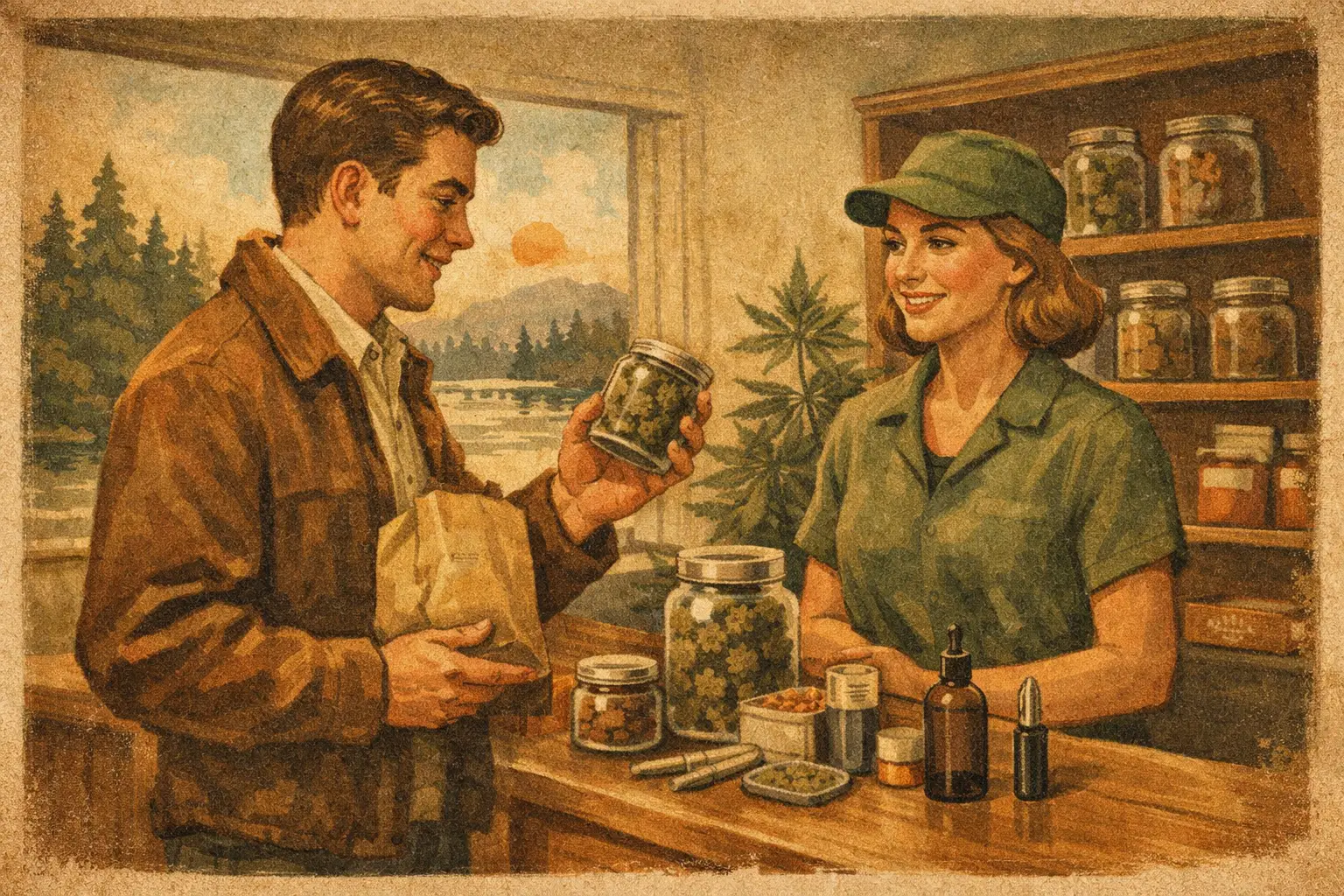
Ottawa has a mix of central and neighbourhood-based cannabis retailers. A local store may be the right choice when you value familiar staff, practical product guidance and a nearby pickup point. For first-time legal buyers, this can reduce the pressure of sorting through unfamiliar product formats alone.
Ask straightforward questions. If you are choosing between pre-rolls and dried flower, or between a low-dose edible and a beverage, a licensed retailer can explain the format, package information and intended use without making medical claims. Start with the product label, including THC and CBD content, and use cannabis responsibly.
Example: A Small-Town Ontario Dispensary
In a smaller Ontario community, the nearest licensed retailer may have fewer competitors and a more focused menu. That does not make it less legitimate or less useful. It simply means availability may be shaped by local demand, store size and delivery schedules.
For shoppers outside larger cities, confirming hours matters more than ever. Small-town retailers may have different weekday and weekend schedules, and some products may need to be ordered ahead for pickup. If driving a significant distance, verify that the location is open and that your preferred item is in stock before leaving.
How to Compare Ontario Retailer Examples Before Buying
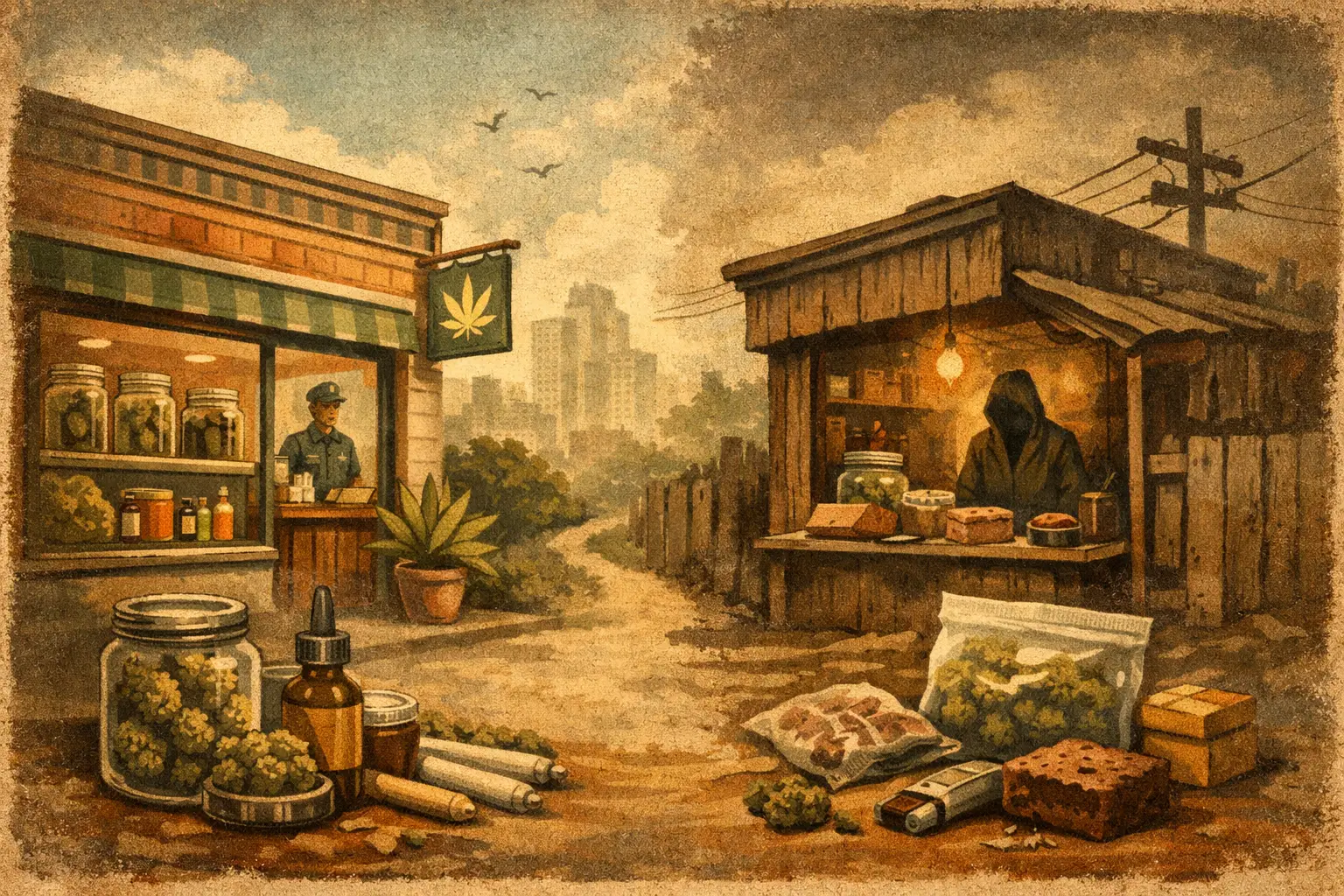
The fastest way to compare legal retailers is to focus on the details that affect your specific purchase. Start with licence status and location. A legitimate Ontario cannabis retailer should be transparent about its storefront and operate under Ontario's legal retail framework. If a seller is vague about where it operates, offers cannabis outside normal legal retail channels or does not verify age, that is a clear reason to avoid it.
Next, consider product selection. Shoppers who already know the format they want can compare menu depth and package sizes. Someone buying a simple pre-roll for the first time does not need the same range as a consumer looking for a specific live resin vape or solventless concentrate. A shorter menu is not necessarily a problem if it includes what you need from regulated producers.
Then review access. Store hours, transit access, parking, online ordering, pickup windows and delivery availability can be more valuable than a small price difference. A retailer that is open when you need it and clearly explains its process may be the better fit.
Payment is another practical factor. Debit is widely useful for in-store purchases, while some retailers may support cash, Interac e-Transfer or other payment arrangements. Payment availability can differ by store and can change, so do not assume that every legal retailer accepts the same options. If a store advertises cryptocurrency payments, confirm the process and any conditions before placing an order. Never send funds until you have confirmed that you are dealing directly with the licensed retailer.
What a Licensed Cannabis Store Will Ask For
Ontario cannabis retail is for adults aged 19 and older. Expect age verification when entering a store or receiving an order. Bring valid government-issued identification if you may be asked to prove your age. Retailers cannot sell or provide cannabis to anyone under 19.
Legal stores also sell cannabis in regulated packaging with required product information. This is a meaningful difference from unlicensed sources. Packaging identifies the product type, cannabinoid content, lot information and other details that help consumers make informed choices. It also provides a clearer record of what you purchased if there is a product concern.
Being legal does not mean every product is suitable for every person. Cannabis can impair driving and other tasks that require attention. Start cautiously with unfamiliar products, especially edibles, which can take longer to have an effect. Keep cannabis secured and away from children and pets.
When Price Should Not Be the Only Deciding Factor
Comparing prices is sensible, but the lowest advertised price is only one part of the transaction. A discounted product that is out of stock, a store with limited payment options or a location with inconvenient pickup hours may cost more time than it saves.
Look at total convenience: whether the retailer carries the product, whether it is available now, how you can pay and how easily you can get there. Shoppers who buy regularly may also prefer a retailer with consistently updated menu information and clear deal terms over one-time promotions that are difficult to verify.
OntarioCanna helps adult consumers narrow this search by organizing licensed retailer information around local access and practical buying details. The most useful listing is not the one with the biggest promise. It is the one that helps you confirm a legal store, understand your options and make a confident purchase.
Before your next visit, compare the licence status, current hours, menu availability and payment method that matters to you. A few minutes of checking can turn a routine cannabis purchase into a legal, straightforward trip.