











A pre-roll labelled 20% THC and a CBD oil marked 25 mg/mL may sit a few shelves apart, but they are not interchangeable purchases. When comparing THC versus CBD products, Ontario consumers should look beyond the front-label cannabinoid number. The intended experience, onset time, dose control, impairment risk, and product format all matter.
For adults 19+ shopping through Ontario’s legal cannabis market, the practical starting point is simple: THC is the primary intoxicating cannabinoid, while CBD is generally non-intoxicating. That distinction helps, but it does not tell the whole story. Product labels, your tolerance, the amount consumed, and whether a product is inhaled, swallowed, or applied topically can all change the outcome.
THC versus CBD products: the core difference
THC, short for delta-9-tetrahydrocannabinol, is the cannabinoid most associated with the cannabis “high.” Products with THC can alter perception, mood, coordination, and reaction time. Some adults seek those effects; others prefer to avoid them. THC can also produce unwanted effects, including anxiety, dizziness, dry mouth, or discomfort, particularly at higher doses or for people with limited experience.
CBD, or cannabidiol, does not typically create the same intoxicating effect. A CBD-forward product may still contain trace or measurable THC, however, so the label matters. Legal cannabis products in Ontario must identify the cannabinoids in the package, allowing shoppers to distinguish a CBD isolate product from a balanced product containing both CBD and THC.
Neither cannabinoid is automatically “better.” The right option depends on what an adult consumer wants from the experience and how much impairment they are comfortable with. A person looking for a non-intoxicating cannabis option may lean toward CBD-dominant formats. A person choosing THC should prioritize dose awareness, setting, and enough time to assess the effects before taking more.
Read the label before comparing strength
The biggest mistake is treating every cannabis number as though it means the same thing. Dried flower and vape cartridges often show potency as a percentage or milligrams per gram. Edibles, beverages, oils, capsules, and softgels typically show milligrams per package and per unit or serving.
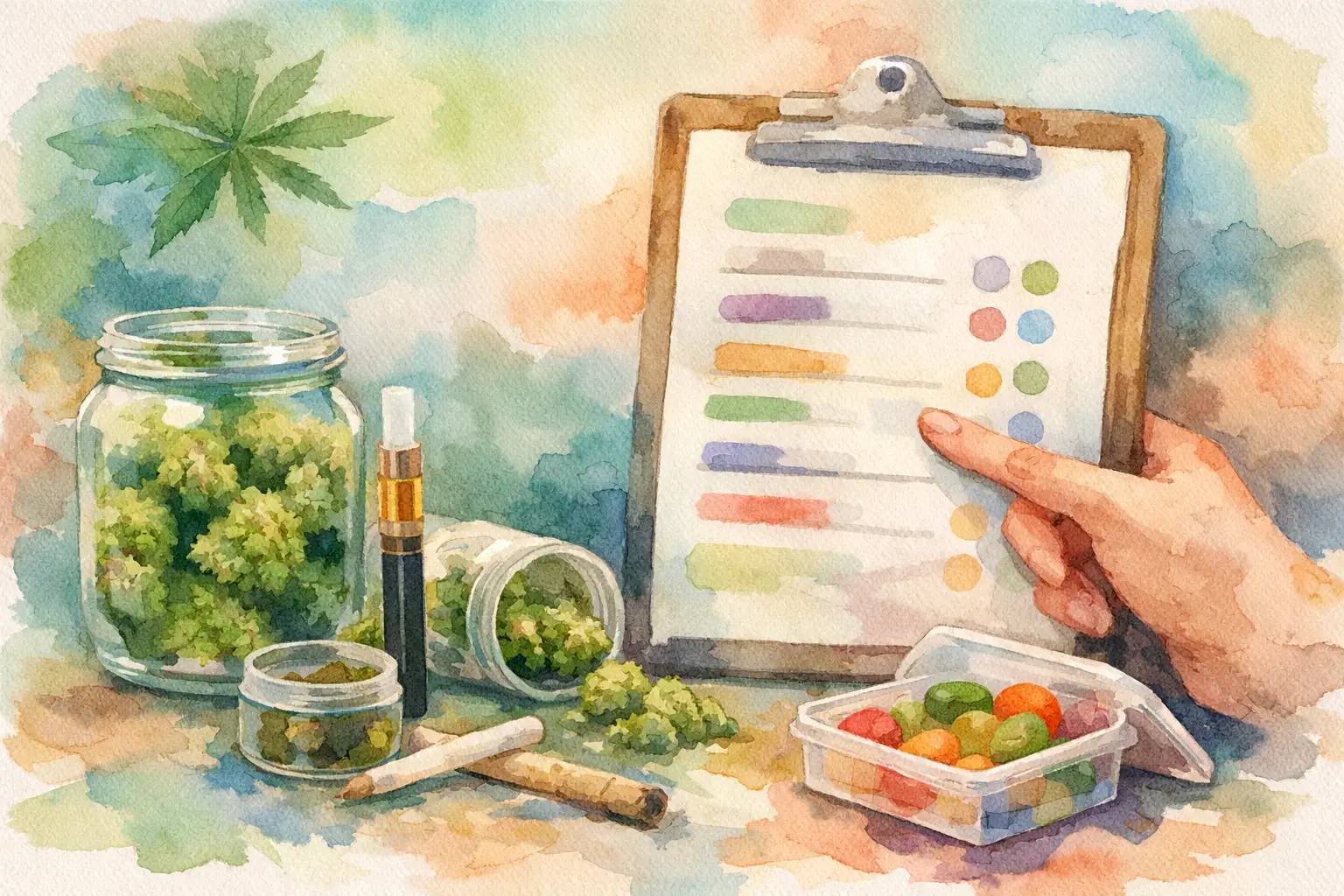
When reviewing a legal product label, focus on four details:
- Total THC and total CBD show the expected cannabinoid content after heating or use, which is usually the most useful comparison for consumers.
- THC and CBD per unit matter most for dose-controlled products such as gummies, capsules, and beverages.
- Format and directions affect how quickly the product may take effect and how long it may last.
- Lot information and the excise stamp help identify regulated cannabis sold through authorized channels.
For example, a package of gummies may contain 10 mg of THC in total, divided into two 5 mg pieces. That is very different from consuming 10 mg of THC through several products without noticing the cumulative amount. With CBD oils, compare the milligrams of CBD per millilitre and the labelled serving size rather than relying on the bottle size alone.
Product format changes the experience
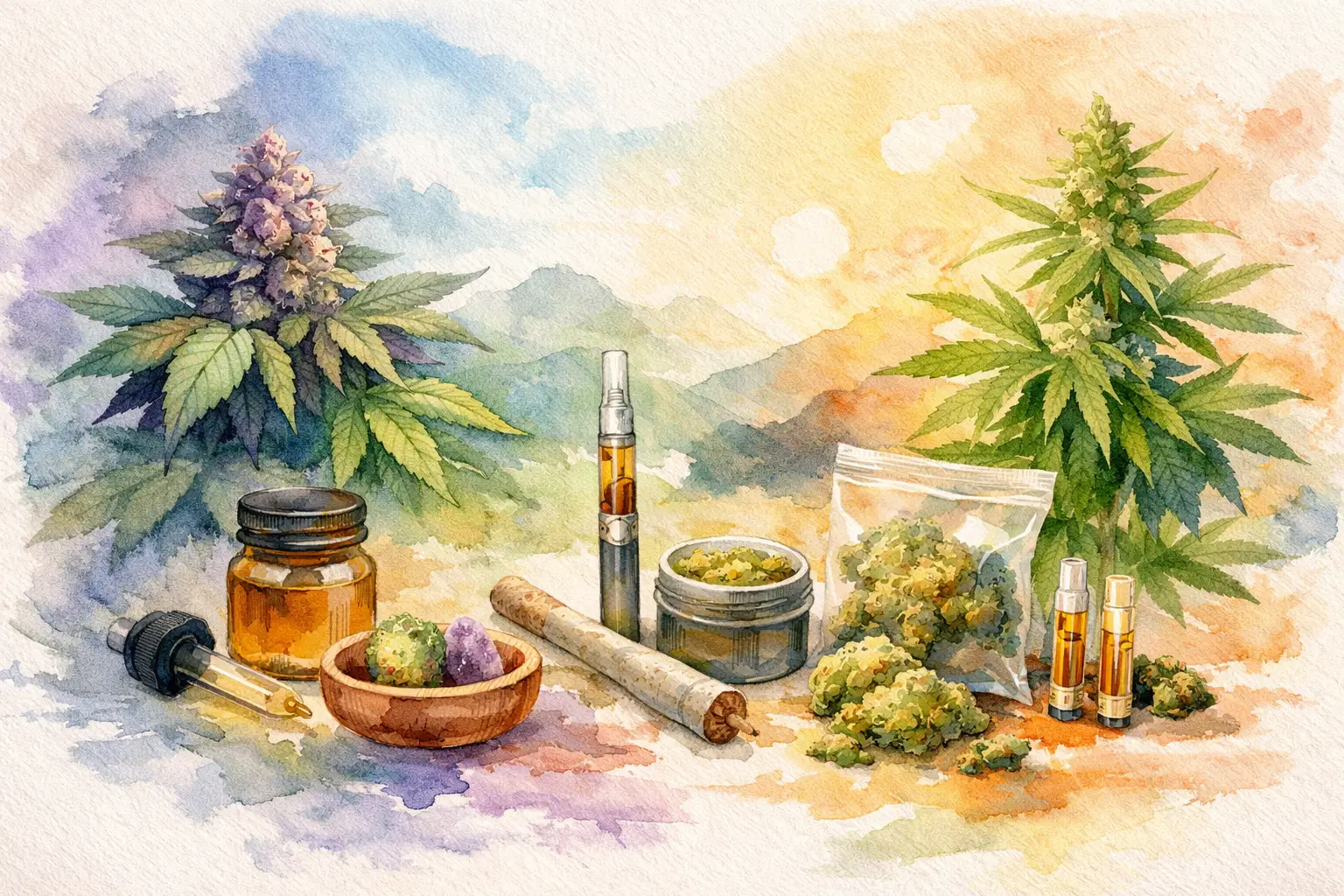
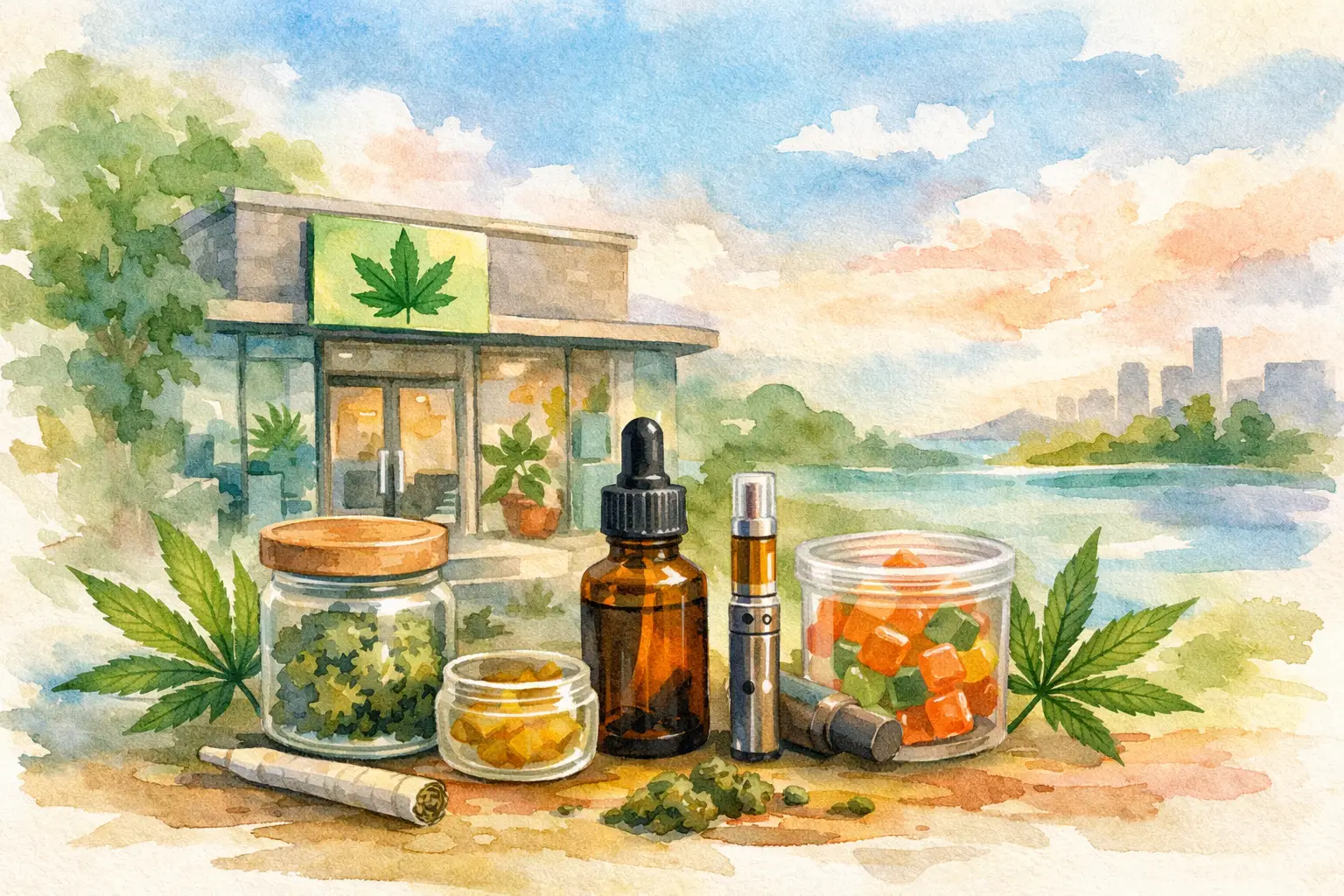
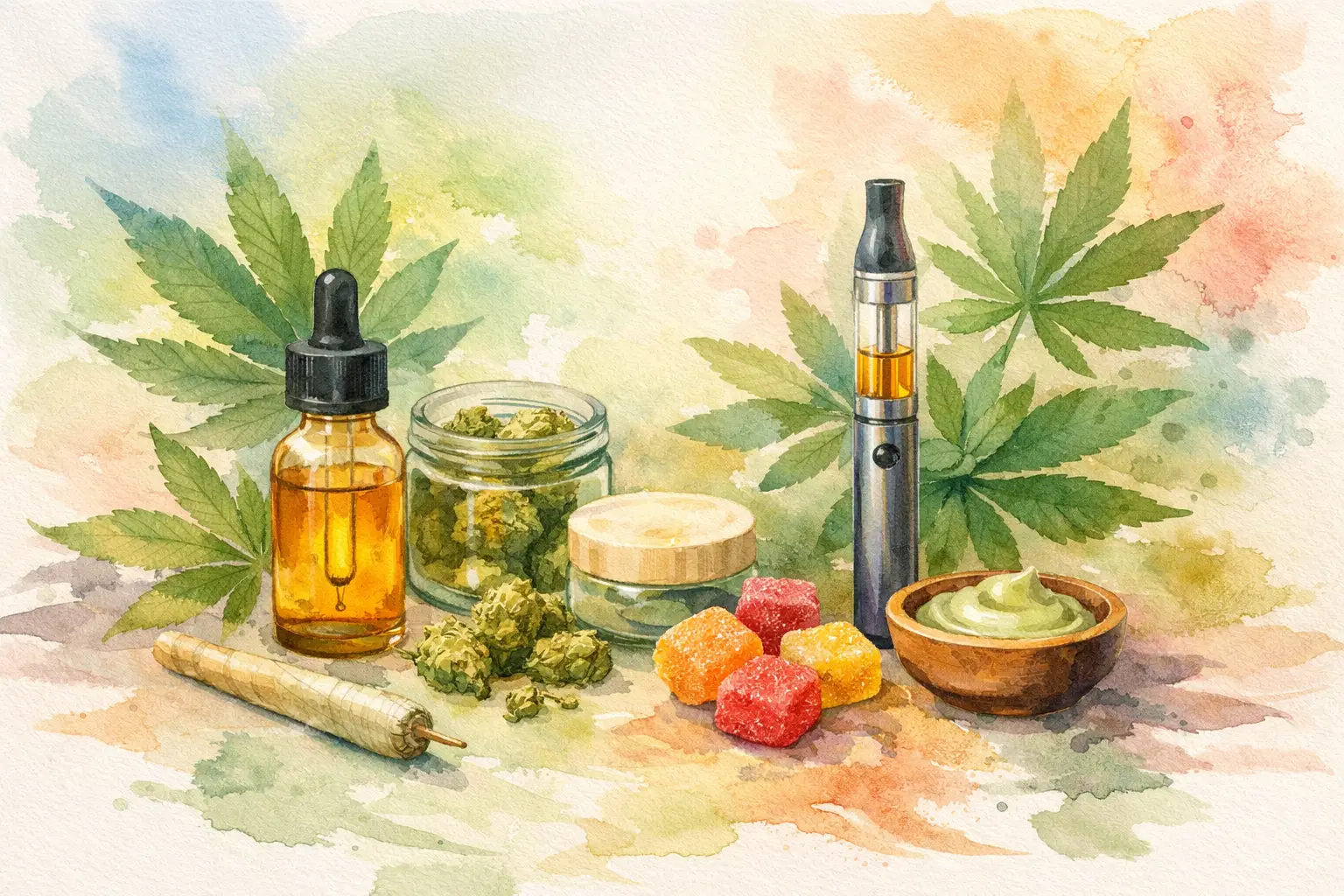
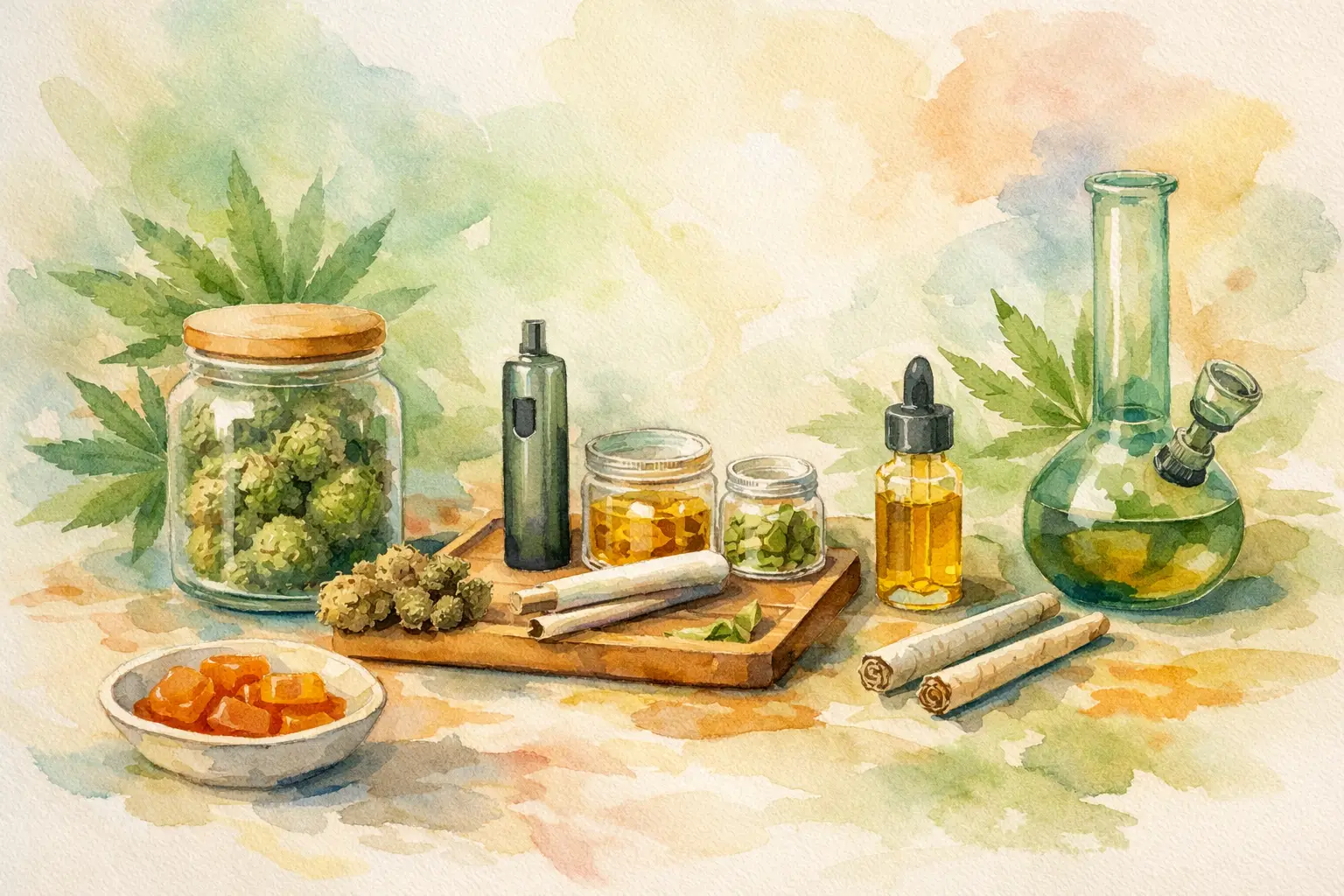
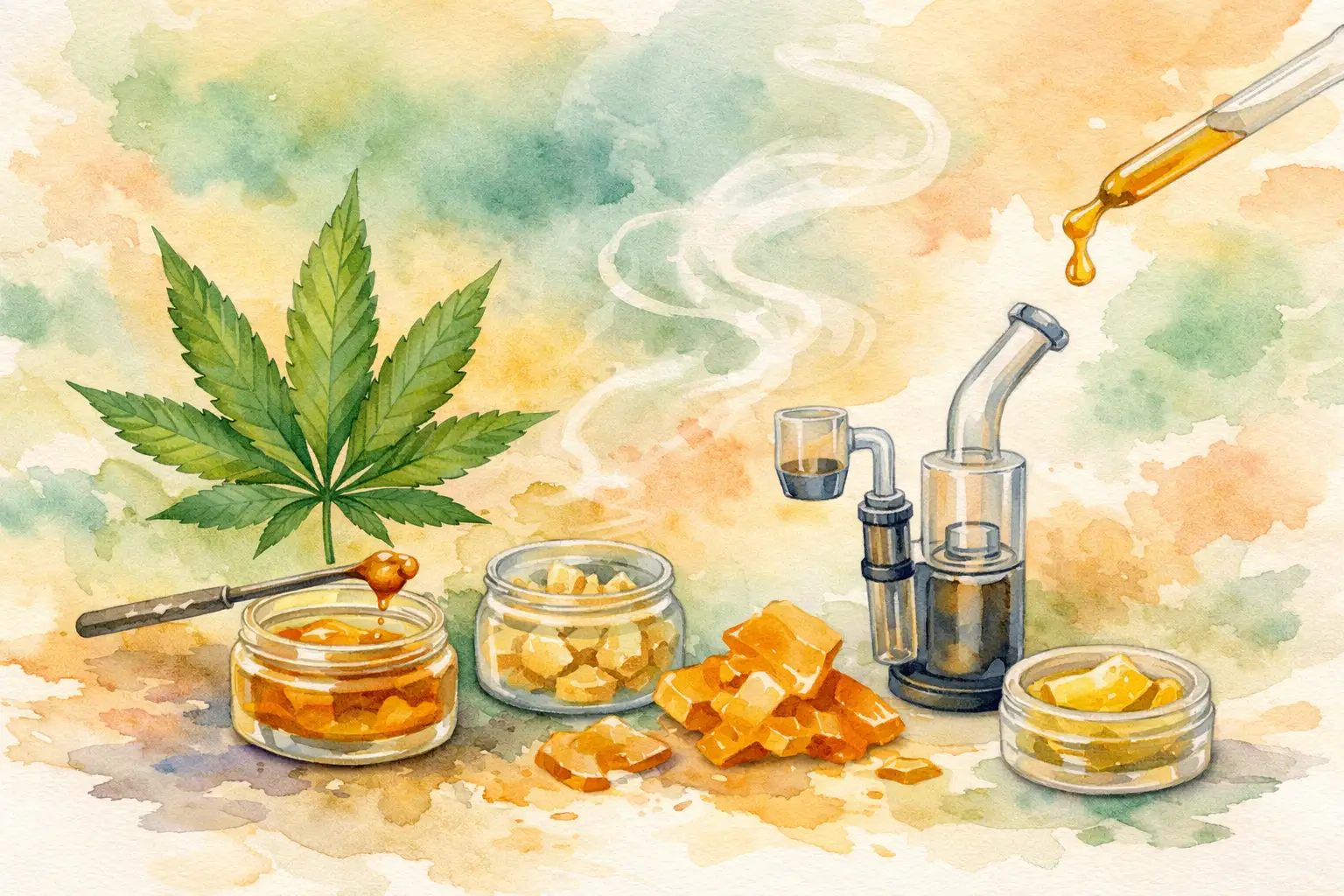
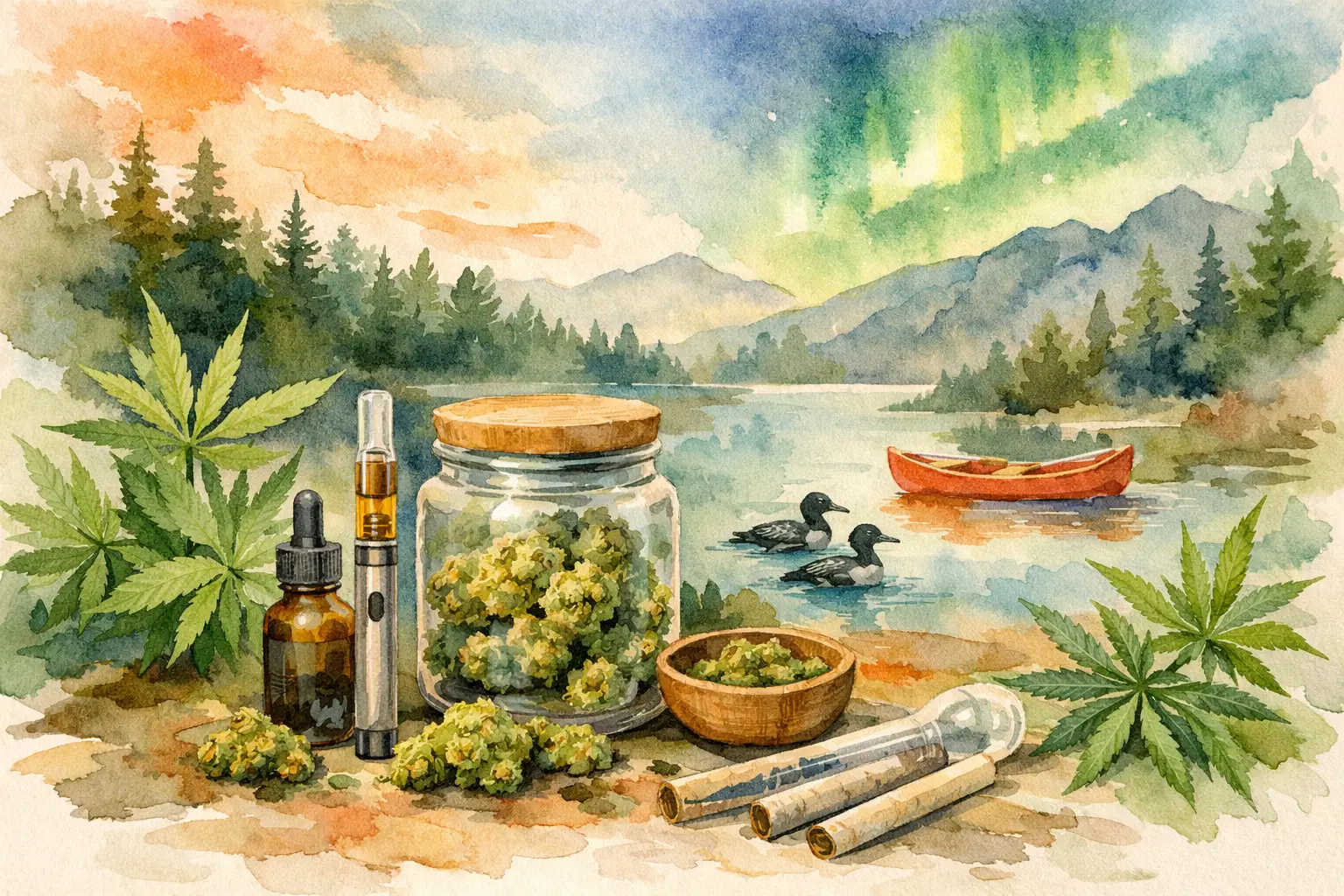
THC and CBD are available in many of the same formats, but each format brings different timing and dose-control considerations. Inhaled flower, pre-rolls, and vapes can take effect quickly, often within minutes. This gives consumers a clearer opportunity to pause and assess their response, though inhalation is not appropriate for everyone.
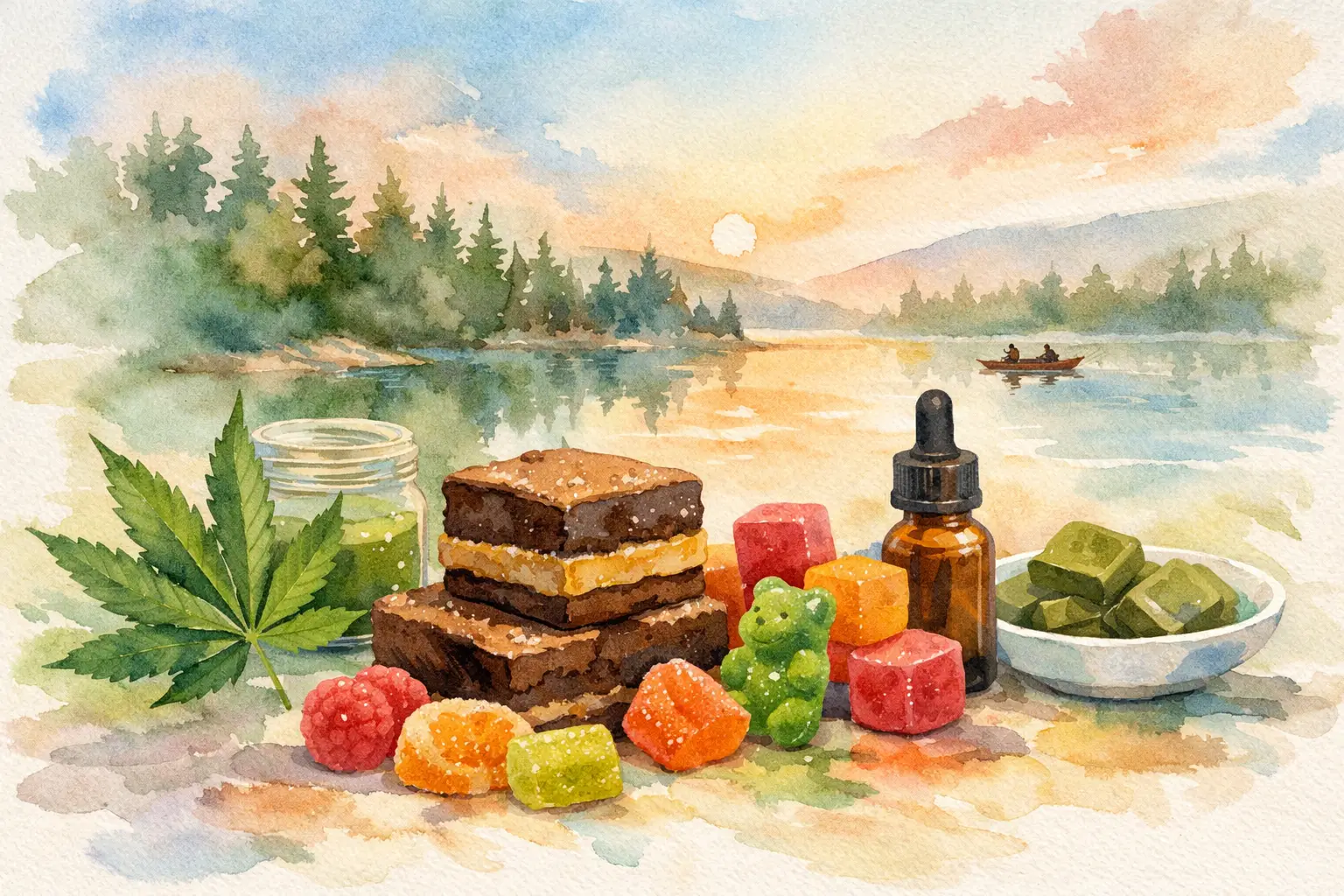
Edibles and beverages take longer because they are processed through the digestive system. Effects may be delayed for 30 minutes to several hours, depending on the product and the individual. This delayed onset is why consumers should avoid taking another serving too soon. The effects can also last longer than inhaled cannabis.
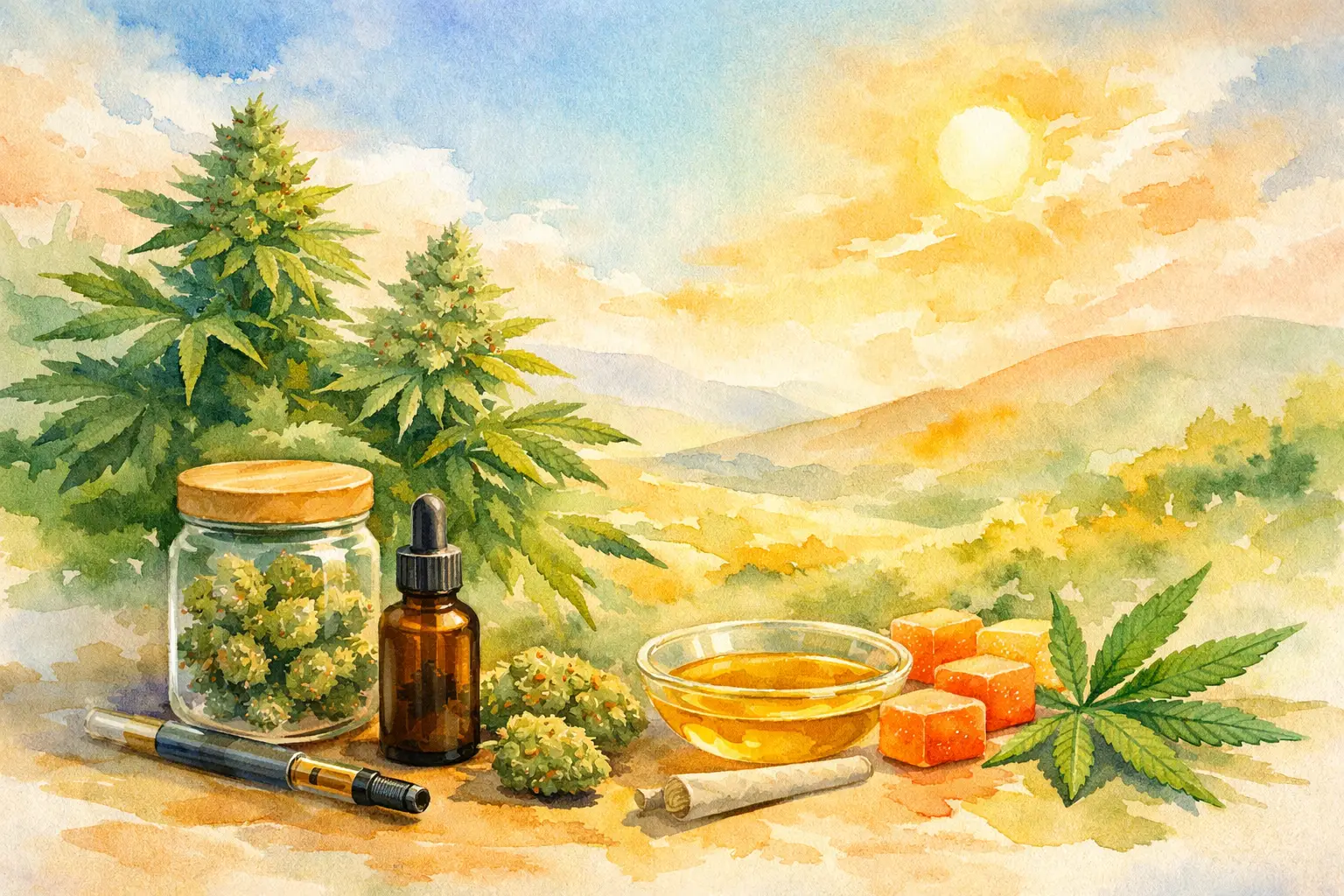
Oils, capsules, and softgels offer more measured dosing, which can be useful for adults who want consistency from purchase to purchase. Sublingual oils may be used differently from swallowed capsules, so follow the package directions. Topicals are applied to the skin and are not intended to create the same whole-body experience as inhaled or ingested cannabis.
Balanced products are a separate category
A comparison of THC versus CBD products should also include balanced products. These contain meaningful amounts of both cannabinoids, often in a ratio such as 1:1. A balanced product is not necessarily mild. If it contains THC, it can still be intoxicating and can still impair driving or other safety-sensitive activities.
Some consumers choose balanced products because they do not want a THC-only option. That is a preference, not a guarantee of a particular effect. Cannabis affects people differently, and the available evidence does not support assuming that CBD will reliably cancel out or prevent all unwanted THC effects.
If you are trying a balanced product for the first time, treat its THC content seriously. Start with the smallest practical amount, especially with an edible, and give the product enough time before deciding whether more is appropriate.
A practical way to choose between THC and CBD
Start with the experience you want to avoid as much as the one you want to have. If avoiding intoxication is the priority, check for a CBD-dominant product with little or no THC and verify the milligram amounts on the label. Do not assume that terms such as “wellness,” “calm,” or “relax” describe cannabinoid content accurately.
If you are considering THC, begin with a low dose and a format you can manage responsibly. For an adult with little or no THC experience, 2.5 mg of THC in an edible is a cautious starting point. Some consumers may choose less. Wait for the full effects before consuming more, particularly with edibles or drinks.
Experienced cannabis consumers also benefit from checking labels. A familiar format can vary substantially in potency between brands, batches, and products. High-THC flower or extracts may not be the best value if the dose is difficult to control or the experience is stronger than intended.
CBD dose selection is less straightforward because products vary widely and individual responses differ. A low amount allows you to assess the product before increasing use. If you take prescription medication, are pregnant or breastfeeding, or have a health condition, speak with a qualified health professional or pharmacist before using cannabis. CBD can interact with some medications.
Legal purchasing and responsible use in Ontario
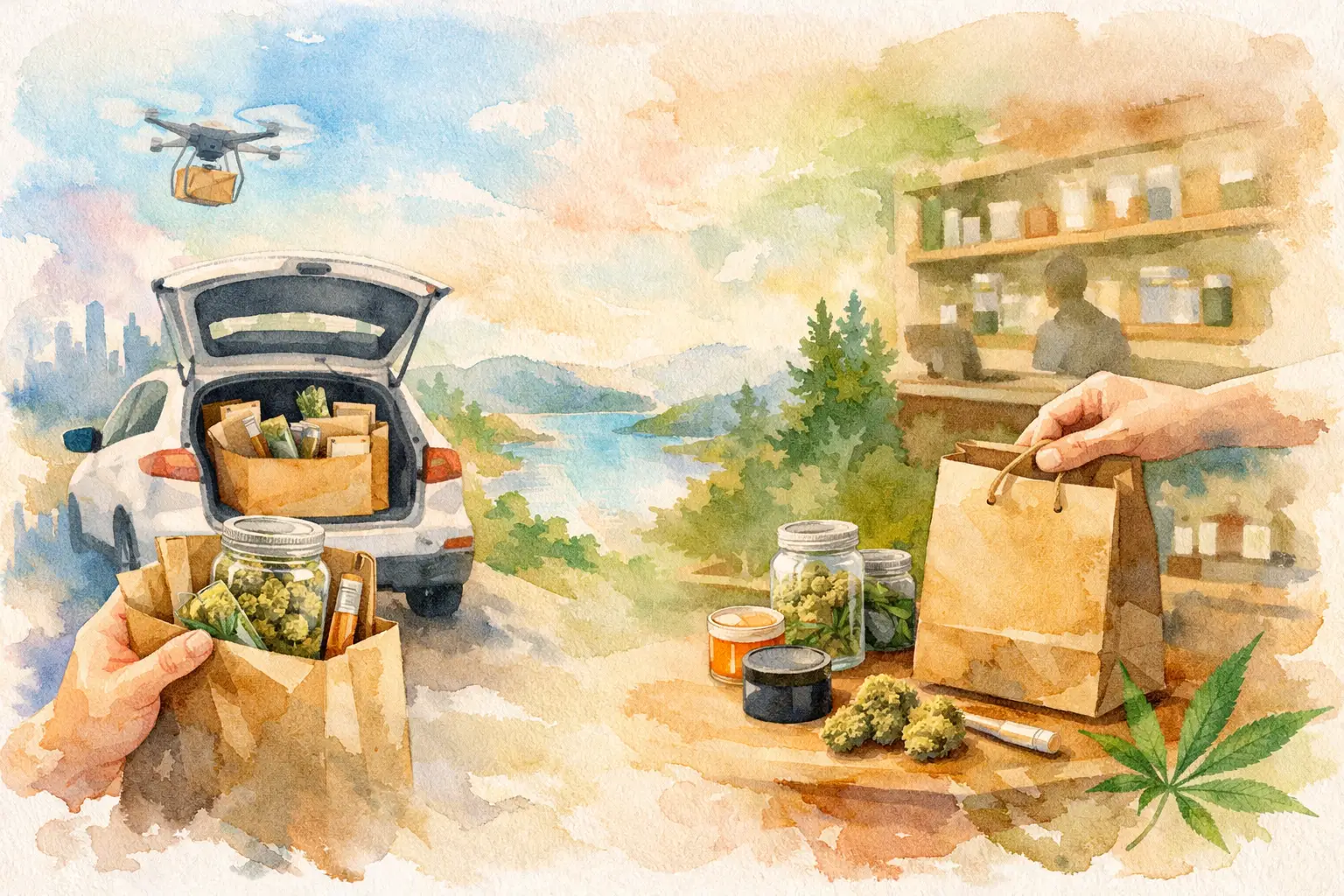
In Ontario, recreational cannabis is for adults aged 19 and older. Buy only from AGCO-licensed retailers or the authorized provincial online store. Licensed sellers provide regulated products with required packaging, cannabinoid information, and age-gated access. Unregulated products may not have reliable potency, ingredient, or safety information.
Legal does not mean risk-free. Do not drive, cycle, operate equipment, or perform safety-sensitive work while impaired by THC. Avoid mixing cannabis with alcohol or other impairing substances. Keep all cannabis products in their original child-resistant packaging and store them securely away from children and pets.
It is also wise to plan the purchase around the occasion. A fast-onset vape and a long-lasting edible are not interchangeable choices for an evening at home, a social event, or any time you may need to travel later. Ask the retailer about the product format and cannabinoid content, but make your decision using the package label and your own responsible limits.
Shop with a clearer comparison in mind
The most useful question is not simply whether a product is THC or CBD. Ask how much THC and CBD it contains per use, how it is consumed, when its effects may begin, and whether impairment is acceptable for your plans. Those answers make product comparisons far more reliable than strain names or marketing descriptions alone.
Before visiting a licensed Ontario dispensary, check the available menu, confirm store hours and payment options, and give yourself time to read labels without rushing. OntarioCanna helps adult consumers find licensed local retailers, but the final choice should always begin with a careful look at the cannabinoid amounts in the product you are buying.