
























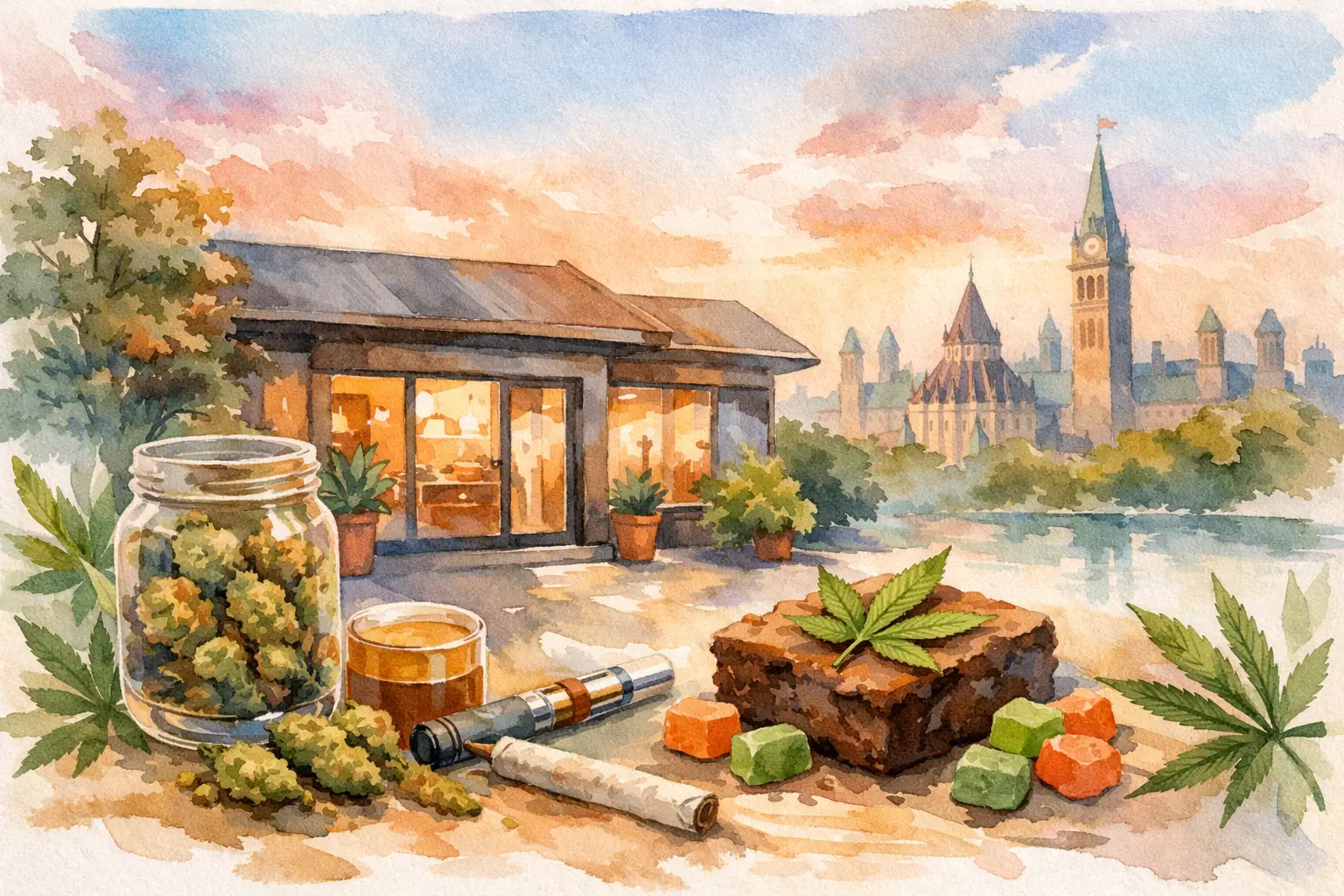

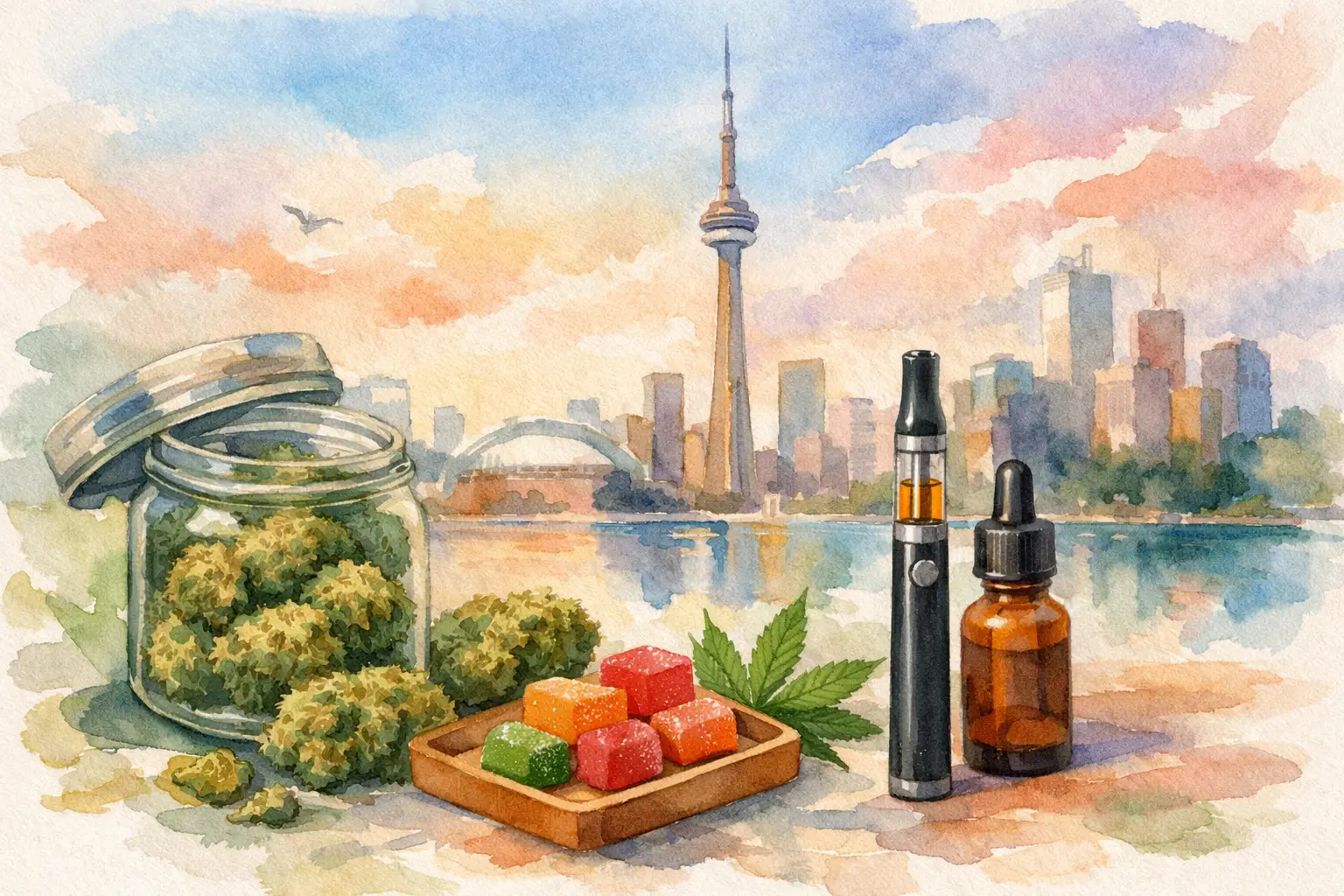


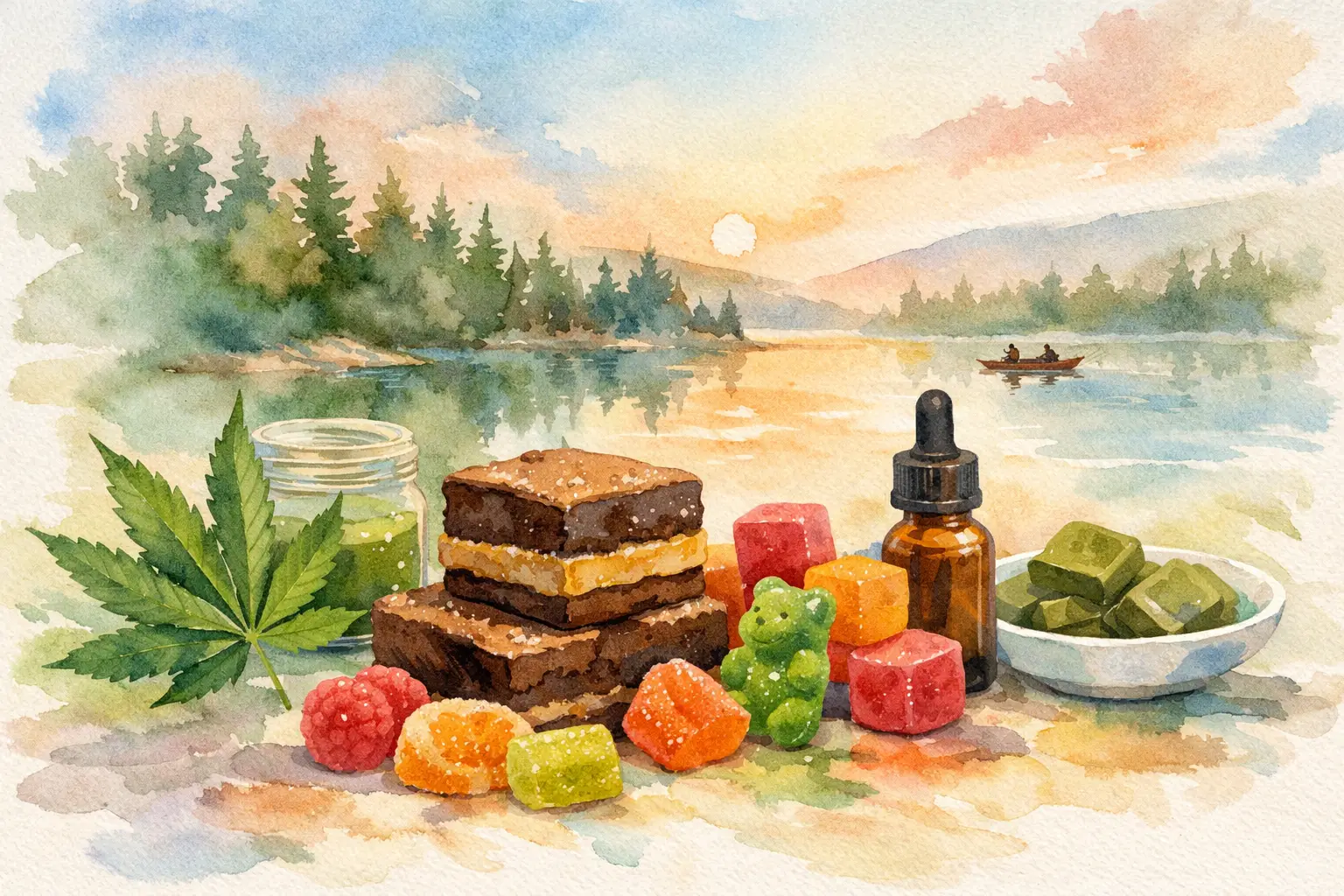
You might see gummies, chocolates, soft chews, and cannabis-infused drinks on a legal menu and wonder whether they work the same way as smoking or vaping. If you are asking what are cannabis edibles, the short answer is this: they are food or drink products infused with cannabis extracts, usually containing THC, CBD, or both, and they affect the body differently because they are swallowed rather than inhaled.
That difference matters. Edibles usually take longer to kick in, can feel stronger than expected for some people, and often last much longer than inhaled cannabis. For Ontario adults shopping through legal retail stores, understanding those basics can help you choose the right product and avoid a frustrating first experience.
What Are Cannabis Edibles?
Cannabis edibles are ingestible cannabis products made to be eaten or drunk. In Canada’s legal market, that can include baked goods, candies, chocolates, capsules, oils taken by mouth, and beverages. Some people use the term loosely to describe any cannabis product you swallow, while others use it more narrowly for foods and drinks. Either way, the key point is that the cannabis enters your system through digestion.
In Ontario’s legal retail system, edible cannabis is sold in regulated formats with clearly labelled cannabinoid content. That means you can see how much THC and CBD is in a package before you buy, instead of guessing. For consumers who want measured doses and predictable packaging, this is one of the biggest advantages of shopping through licensed stores.
How Edibles Work Compared With Smoking or Vaping
When you smoke or vape cannabis, cannabinoids enter the bloodstream through the lungs. Effects often start within minutes, which makes it easier for some people to judge whether they have had enough.
Edibles work more slowly because the product has to be digested first. THC is processed by the liver before it reaches full effect, and that changes the experience. The onset can take anywhere from about 30 minutes to 2 hours, and sometimes longer depending on the product, your metabolism, and whether you have eaten recently.
This is why edibles can catch people off guard. Someone may feel very little after 45 minutes, take more, and then find both doses hitting at once later. The delayed onset is one of the main reasons legal retailers and public health guidance stress starting low and waiting.
What Do Cannabis Edibles Feel Like?
It depends on the cannabinoid content, the dose, and the person. THC edibles are commonly described as producing a fuller body effect and a longer-lasting high than inhaled cannabis. Some consumers find them more relaxing, while others find them heavier or less predictable.
CBD edibles are different. CBD is not generally associated with the same intoxicating effect as THC, and many people choose it for a more moderate experience. Products with both THC and CBD can feel different again, since CBD may affect how THC is experienced.
There is no single “normal” edible response. Body size, tolerance, recent meals, and personal sensitivity all matter. A low dose for one person may feel noticeable, while another person may barely register it.
Types of Edibles You Will See in Ontario Stores
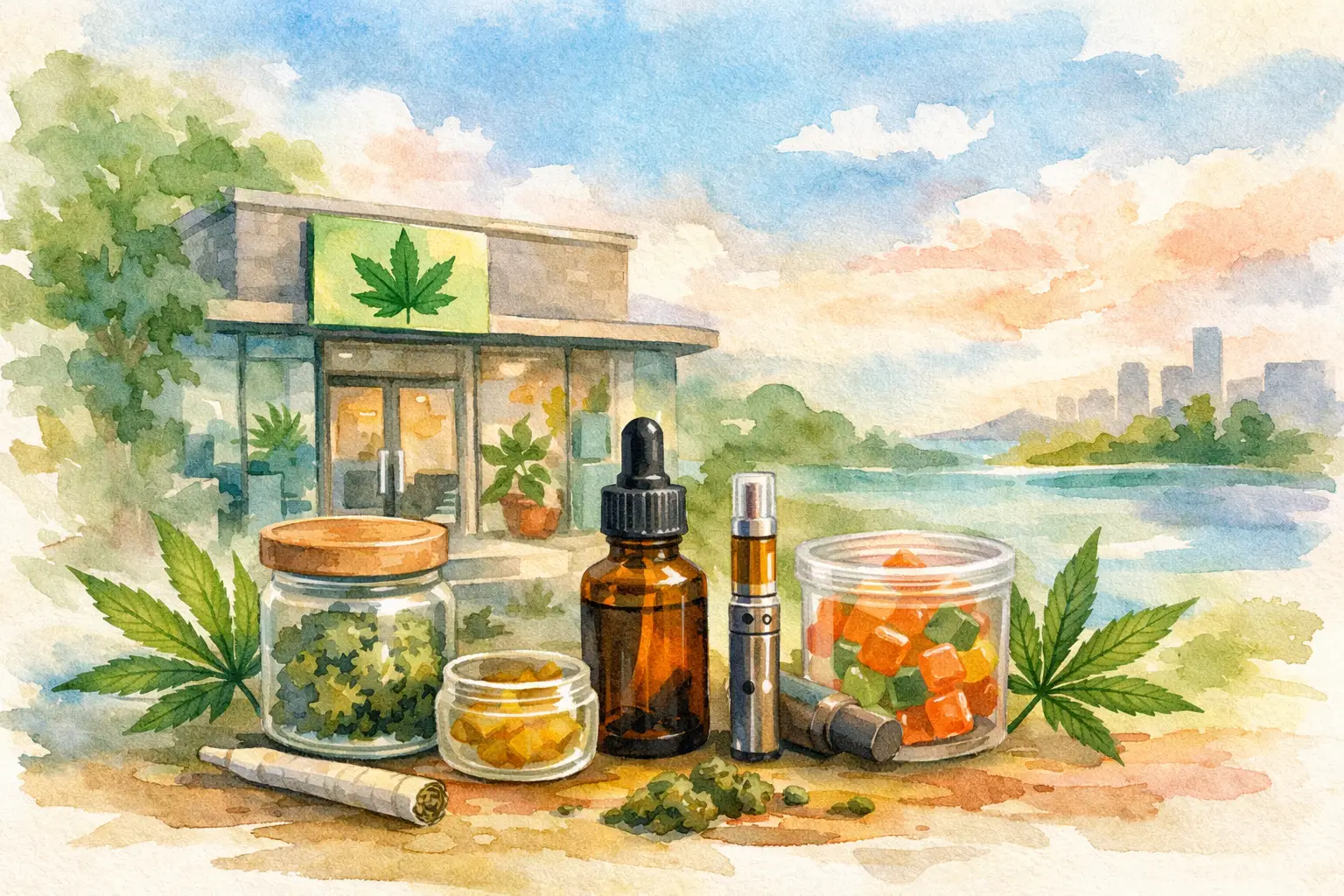
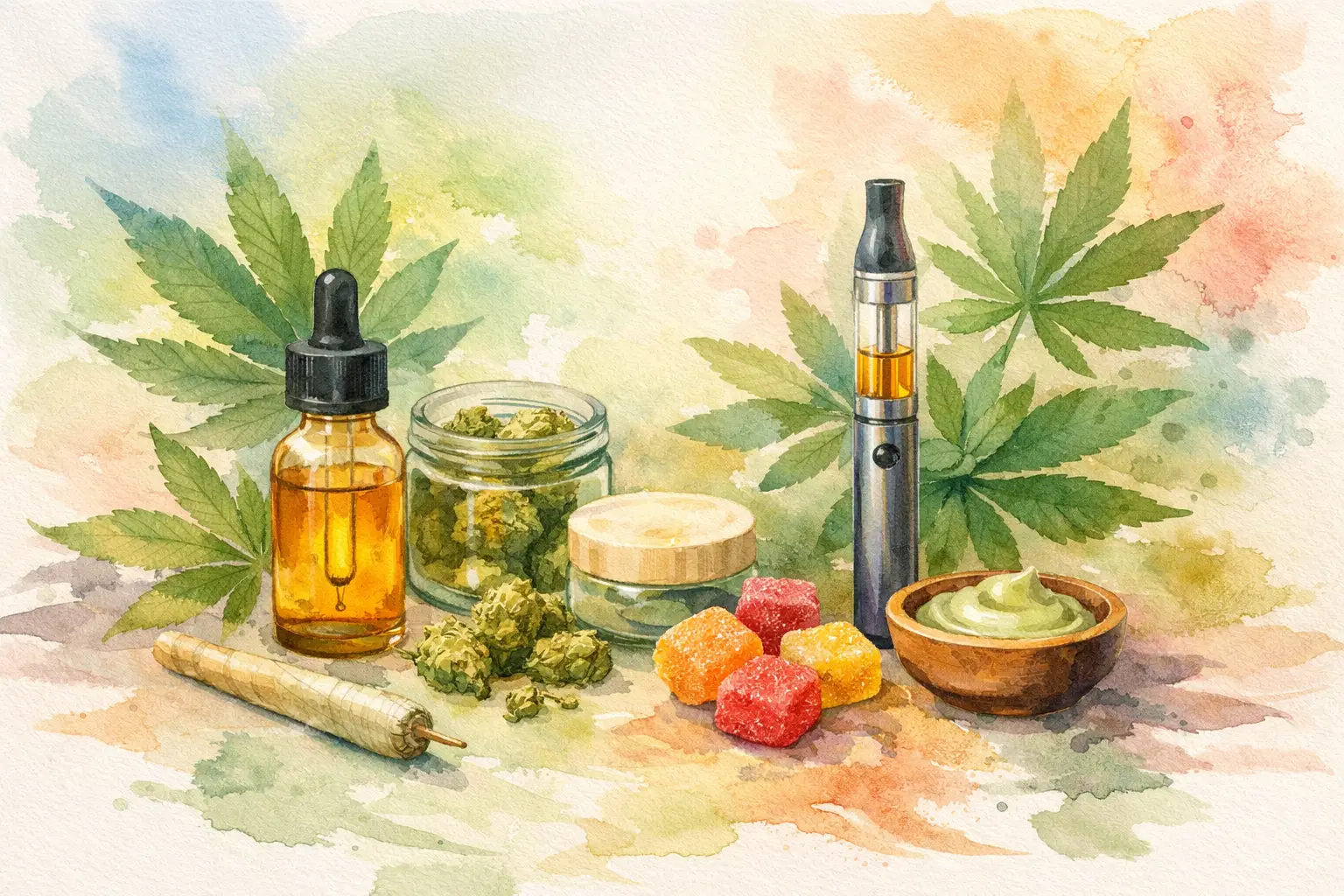
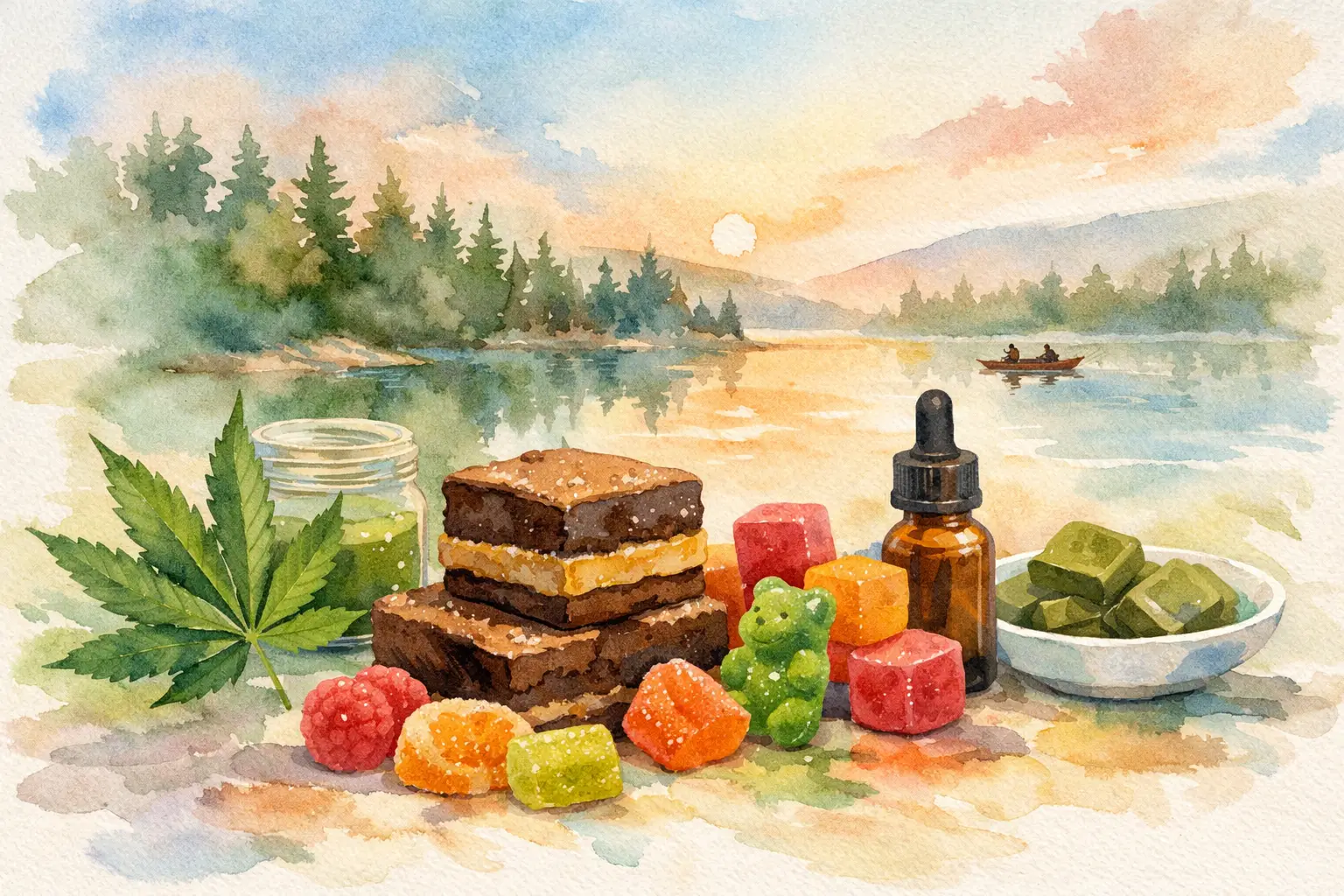
The legal market gives consumers more choice than many first-time buyers expect. Gummies and soft chews are common because they are simple to portion and easy to carry. Chocolates are also popular, especially for consumers who want a familiar format.
Cannabis beverages have grown in visibility too. These can include sparkling drinks, teas, and other infused options. Some are formulated to act faster than traditional edibles, but consumers should still read the label carefully rather than assume all drinks work the same way.
You may also come across capsules, oral oils, and sprays on legal menus. These are not always thought of as “edibles” in casual conversation, but for practical purposes they belong in the same broader category of ingestible cannabis. They are useful for consumers who want less sugar, fewer food ingredients, or more precise portioning.
Dosing Basics for First-Time Buyers
If you are new to edibles, the most practical advice is simple: start with a low THC amount and wait long enough before taking more. In Canada’s legal recreational market, edible cannabis products are subject to strict THC limits per package, which helps reduce some of the risk of accidental overconsumption.
That does not mean every product will feel mild. Even within legal limits, a newer consumer may find a small amount of THC quite noticeable. Someone with existing cannabis tolerance may feel less effect from the same package. This is where labels matter.
Look at the total THC and CBD content on the package, and check whether the amount listed is per piece or per package. A product with multiple pieces may need to be divided carefully. If you are uncertain, a licensed dispensary can explain the packaging format and cannabinoid numbers without making unrealistic promises about effects.
How Long Do Edibles Last?
Edibles usually last longer than smoked or vaped cannabis. For many people, noticeable effects can continue for 4 to 8 hours, and some residual effects may last longer. The peak may also arrive later than expected, which is another reason patience matters.
This longer duration can be a benefit or a drawback depending on what you want. Some consumers prefer edibles because they do not want to re-dose frequently. Others find the extended timeline inconvenient, especially if they took too much.
Timing matters in practical ways. If you need to drive, work, or handle responsibilities later, an edible may not be the best choice. Ontario consumers should treat delayed impairment seriously. Feeling fine right after taking an edible does not mean the product will stay mild.
Common Mistakes With Cannabis Edibles
The most common mistake is taking more too soon. People often compare edibles to inhaled cannabis and expect the same timeline. That comparison leads to impatience, and impatience leads to overdoing it.
Another mistake is ignoring the label. Some products look like ordinary candy or chocolate, but the cannabinoid content is what matters. Package size, THC total, CBD total, and serving information all need a quick check before use.
Storage is another issue that deserves more attention. Edibles should be kept securely away from children and pets. Since these products can resemble regular snacks, safe storage is not optional. Legal packaging is designed with compliance in mind, but secure handling at home is still the consumer’s responsibility.
Are Edibles Legal in Ontario?
Yes, cannabis edibles are legal in Ontario for adults 19 and older when purchased through authorized channels. The legal framework is designed to give consumers access to regulated products with tested content, standardized packaging rules, and age-restricted sales.
That legal distinction matters. Buying from a licensed retailer means you can review product information clearly, compare formats, and avoid the uncertainty that comes with unregulated sellers. For a product category where dose and timing make such a difference, legal retail is the safer and more practical route.
What to Check Before You Buy
When browsing a legal menu, start with the basics: THC level, CBD level, product format, and package size. Then look at the details that affect convenience, such as store hours, pickup options, delivery availability where permitted, and payment methods.
This is where a directory platform can save time. Instead of searching store by store, OntarioCanna helps adult consumers compare licensed retailers across Ontario and review practical purchase details before choosing where to shop. That matters when you want a compliant store, a specific edible format, or a payment option that works for you.
What Are Cannabis Edibles Best For?
Edibles are often a good fit for consumers who do not want to smoke or vape, who prefer longer-lasting effects, or who want a discreet product format. They can also suit shoppers who like measured packaging and easy dose tracking.
Still, they are not automatically the best starting point for everyone. If you value fast onset and easier real-time adjustment, inhaled formats may feel more manageable. If you want to avoid intoxication, a CBD-focused product may be more appropriate than a THC edible. The right choice depends on your tolerance, your schedule, and the kind of experience you are actually looking for.
For Ontario adults buying legal cannabis, the practical approach is to treat edibles with respect, read the label carefully, and choose a licensed retailer that gives you clear product information from the start. A good edible experience usually begins before the first bite.